

تقييم مصادر ومسارات تلوث التربة المرتبط بالنزاع المسلح في السودان: دراسة تحليلية لوعي الخبراء والمختصين
عزيزة آدم مدني1، محمد عبدالمنعم موسى2
1 معهد الدراسات البيئية - جامعة الخرطوم، السودان.
2 قسم علوم المحاصيل - كلية الموارد الطبيعية والدراسات البيئية - جامعة السلام، السودان.
Assessment of the Sources and Pathways of Conflict-Related Soil Contamination in Sudan: An Analytical Study of Experts’ and Specialists’ Awareness
Aziza Adam Madani1, Mohammed Abdel Moneim Musa2
1 Institute of Environmental Studies, University of Khartoum, Sudan.
2 Department of Crop Sciences, Faculty of Natural Resources and Environmental Studies, University of Alsalam, Sudan.
DOI: https://doi.org/10.53796/hnsj75/19
المعرف العلمي العربي للأبحاث: https://arsri.org/10000/75/19
المجلد (7) العدد (5). الصفحات: 368 - 378
تاريخ الاستقبال: 2026-04-15 | تاريخ القبول: 2026-04-22 | تاريخ النشر: 2026-05-01
المستخلص: هدفت هذه الدراسة إلى تقييم مستوى الوعي والارتباط المعرفي بمخاطر تلوث التربة الناجم عن النزاعات المسلحة بالسودان، مع تحديد أبرز و مسارات وتأثيرات تلوث التربة ،المجهودات المبذولة لرصد التلوث في مناطق النزاع مع الإجراءات التي يجب اتخاذها للمعالجة. اعتمدت الدراسة المنهج الوصفي التحليلي، حيث تم تصميم استبانة وُزعت على عينة مكوّنة من (52) مشاركاً من الخبراء والمختصين في مجالات علوم التربة، والبيئة، والصحة العامة، والعلوم الاجتماعية. تناولت الدراسة المعرفة بواقع تلوث التربة المرتبط بالنزاع في السودان بوصفها متغيراً مستقلاً عبر أبعاده المختلفة: الاطلاع على حالات التلوث ،ملاحظة التغيرات البيئية والزراعية، الإلمام بالمصادر وأنواع الملوثات، تأثيرات تلوث التربة على الزراعة ، المياه والصحة العامة بجانب جهود الرصد وإدارة المخاطر. أظهرت النتائج بأن هنالك وعي متقدم بمخاطر تلوث التربة الناجم عن النزاعات المسلحة، لكن الفهم التفصيلي لتلوث التربة محدود بسبب نقص البيانات والبحث الميداني، وتلوث التربة ينشأ عن الفعل العسكري المباشر والآثار غير المباشرة للنزاع. أما ارتفاع الملوثات البيولوجية يعكس تدهور خدمات الصرف الصحي وإدارة النفايات، بينما انخفاض تقدير المعادن الثقيلة قد يعكس صعوبة اكتشافها أو نقص أدوات القياس. لذا توصي الدراسة بإجراء الدراسات الميدانية المستمرة حول تلوث التربة ومكوناته المختلفة مع تأهيل وتطوير مختبرات بيئية مجهزة لتحليل العينات بشكل دوري ودقيق ، وتنفيذ برامج توعوية وتدريبية مع دمج جهود الحكومة، المجتمع المحلي، الأكاديميين، والمنظمات الدولية لضمان استجابة متكاملة وفعالة لتلوث التربة في سياقات النزاع.
الكلمات المفتاحية: تلوث التربة، النزاعات المسلحة، المخاطر البيئية، السودان، إدارة المخاطر.
Abstract: This study aimed to assess the level of awareness and cognitive understanding of the risks of soil contamination caused by armed conflicts in Sudan, while identifying the major pathways and impacts of soil pollution, the efforts made to monitor contamination in conflict areas, and the measures that should be taken for remediation. The study adopted a descriptive-analytical approach, using a questionnaire distributed to a sample of 52 participants drawn from experts and specialists in the fields of soil science, environmental studies, public health, and social sciences. The study examined knowledge of the reality of conflict-related soil contamination in Sudan as an independent variable through its various dimensions: awareness of contamination cases, observation of environmental and agricultural changes, familiarity with pollution sources and types of contaminants, the effects of soil contamination on agriculture, water, and public health, in addition to monitoring efforts and risk management. The results showed that there is an advanced level of awareness regarding the risks of soil contamination resulting from armed conflicts; however, detailed understanding remains limited due to a lack of data and field research. Soil contamination arises from both direct military action and the indirect consequences of conflict. The high prevalence of biological pollutants reflects the deterioration of sanitation services and waste management, while the lower estimated presence of heavy metals may indicate the difficulty of detecting them or the lack of adequate measurement tools. Accordingly, the study recommends conducting continuous field studies on soil contamination and its various components, upgrading and developing well-equipped environmental laboratories for accurate and periodic sample analysis, implementing awareness and training programs, and integrating the efforts of government, local communities, academics, and international organizations to ensure a comprehensive and effective response to soil contamination in conflict settings.
Keywords: Soil contamination, Armed conflict, Environmental risk, Sudan, Risk management.
المقدمة:
يُعدّ التلوث البيئي من أبرز التحديات العالمية المعاصرة، إذ يُعرّف بأنه إدخال مواد أو أشكال من الطاقة الضارة إلى النظم الطبيعية، بما يُخلّ بالتوازن البيئي ويؤدي إلى آثار سلبية على النظم البيئية وصحة الإنسان، فضلًا عن تقليص التنوع البيولوجي. وقد شهدت العقود الأخيرة تزايداً ملحوظاً في مستويات التلوث نتيجة الأنشطة البشرية، مما أدى إلى تدهور بيئي واسع النطاق. ومن هذا المنطلق، أصبح من الضروري تبنّي نهجٍ قائم على فهمٍ شاملٍ لمصادر التلوث ومسارات انتقاله كخطوة أولى لتحقيق التنمية المستدامة (2024, Enel Group).
وفي هذا السياق، تُعدّ النزاعات المسلحة من العوامل الرئيسة التي تسهم في تفاقم التدهور البيئي، إذ تُلحق أضراراً جسيمة بالموارد الطبيعية، وتؤدي إلى تلوث التربة والمياه والهواء، إلى جانب تعطّل أنظمة الإدارة البيئية. وغالباً ما تمتد آثار هذه النزاعات إلى ما بعد انتهائها، مسببةً أضراراً طويلة الأمد على النظم البيئية ، وهو ما تؤكده نتائج مرصد النزاعات والبيئة (2025).
ومن منظور مفاهيمي، يمكن تفسير العلاقة بين النزاع والتلوث والتدهور البيئي ضمن إطار تتابعي مترابط، حيث يُمثل النزاع العامل المحفّز الذي يؤدي إلى تدمير البنية التحتية وتعطيل الأنظمة المؤسسية، مما يفضي إلى إطلاق غير منضبط للملوثات في البيئة. ويعمل التلوث كآلية وسيطة تُحدث تغيّرات في الخصائص الفيزيائية والكيميائية والبيولوجية للتربة، التي تُعدّ مستودعاً رئيسياً لتراكم الملوثات. وينتهي هذا التسلسل بحدوث التدهور البيئي بوصفه نتيجة نهائية تتجلى في فقدان خصوبة التربة، وتراجع الإنتاج الزراعي، وتزايد المخاطر الصحية (Brodowicz, M,2025).
وفي هذا الإطار، يُجسّد النزاع المسلح المستمر في السودان منذ أبريل 2023 مثالاً واضحاً على هذا الترابط، حيث أسفر عن أزمة إنسانية واسعة النطاق، إلى جانب آثار بيئية متفاقمة شملت تدهور النظم البيئية وتعطّل الخدمات الأساسية، لا سيما في المناطق الحضرية والزراعية المتأثرة بالنزاع (2026, IRC).
وعلى الرغم من تزايد الأدبيات التي تناولت التدهور البيئي في مناطق النزاع، لا تزال هناك فجوة بحثية واضحة تتمثل في نقص الدراسات المنهجية التي تُعنى بتقييم تلوث التربة في السودان، خاصة في ظل غياب أنظمة الرصد البيئي وضعف البيانات الميدانية. كما أن محدودية الوصول إلى المناطق المتأثرة بالنزاع تعيق إجراء القياسات المباشرة، مما يستدعي تبنّي مناهج بديلة قائمة على تقييمات الخبراء و التحليل المفاهيمي.
مشكلة البحث:
في أعقاب اندلاع النزاع المسلح في السودان في أبريل 2023، تعرّضت الأراضي الزراعية وأنظمة التربة والمناطق الصناعية لتدهورٍ شديد، مما أدى إلى الإطلاق غير المنضبط وتراكم مجموعة متنوعة من الملوثات الكيميائية والخطرة داخل التربة. وتشمل هذه الملوثات المعادن الثقيلة، والهيدروكربونات، ومخلّفات الأنشطة العسكرية، الأمر الذي أسهم في تغيير خصائص التربة الفيزيائية والكيميائية والبيولوجية.
كما أدى التوقف الواسع للأنشطة المختبرية وانهيار أنظمة الرصد البيئي إلى نشوء فجوة معلوماتية ، مما أعاق التقييم لأنماط تلوث التربة، وحدّ من القدرة على إجراء تقييمات دقيقة للتأثيرات البيئية والصحية. ونتيجة لذلك، فإن غياب البيانات الموثوقة يقيّد فهم سلوك الملوثات وعمليات تدهور التربة وأثرها طويلة الأمد على الأمن الغذائي والاستدامة البيئية.
مبررات الدراسة:
تستدعي الأوضاع الراهنة في السودان إجراء المزيد من الدراسات الشاملة التي تتناول الأبعاد البيئية للنزاع المسلح، وخصوصاً فيما يتعلق بتلوث التربة. فقد أدت الأنشطة العسكرية المباشرة، إلى جانب انهيار المختبرات البحثية وتعطل أنظمة الرصد البيئي، إلى فجوة معلوماتية كبيرة تحد من القدرة على تحديد مسارات انتشار الملوثات، وتقييم مدى تدهور التربة، وقياس المخاطر البيئية والصحية المصاحبة.
تنبع أهمية هذه الدراسة من الحاجة الملحّة لفهم الأبعاد البيئية للنزاع المسلح في السودان، خاصة في ظل غياب البيانات والرصد البيئي المنتظم. كما تسهم في سد فجوة معرفية تتعلق بـ ديناميكيات تلوث التربة في سياقات النزاع، وتوفر أساساً علمياً يمكن الاستناد إليه في وضع استراتيجيات المعالجة وإعادة التأهيل.
أهداف الدراسة :
هدفت هذه الدراسة إلى تقييم مستوى الوعي والارتباط المعرفي بمخاطر تلوث التربة الناجم عن النزاعات المسلحة بالسودان ، من خلال استبانة إلكترونية موجهة إلى خبراء متخصصين، وذلك في ظل محدودية البيانات الميدانية. وتتمثل الأهداف فيما يلي:
- تسليط الضوء على دور المعرفة بواقع تلوث التربة المرتبط بالنزاع في السودان، بما يشمل مصادره وأنواعه.
- الإسهام في رصد وتقييم تأثير تلوث التربة على البيئة، الزراعة، المياه والصحة العامة.
- أبراز أهمية وفعالية شبكات الرصد والمختبرات البيئية في إدارة المخاطر.
- لفت نظر على اقتراح أولويات وحلول لمعالجة التلوث البيئي.
فرضيات البحث:
- يسهم النزاع المسلح في زيادة تراكم الملوثات في التربة، مما يؤدي إلى تدهور خصائصها البيئية.
- يؤدي تلوث التربة إلى تفاقم المخاطر البيئية والصحية، ويؤثر سلباً على جودة المياه والإنتاج الزراعي.
- يحدّ انهيار أنظمة الرصد البيئي من القدرة على تقييم التلوث بدقة.
- يمكن أن يسهم دمج خبرة الخبراء مع التحليل المفاهيمي في إعادة بناء ديناميكيات التلوث وتوجيه سياسات المعالجة.
أدبيات البحث :
تُسهم التعريفات و الأطر المفاهيمية الصادرة عن المنظمات الدولية في بناء فهمٍ متكامل الطبيعة التلوث البيئي وأبعاده المختلفة. فقد عرّفت منظمة الصحة العالمية التلوث البيئي بأنه إدخال مواد ضارة إلى البيئة، سواء كانت طبيعية أو ناتجة عن أنشطة بشرية، مما يؤدي إلى تدهور جودة الهواء والماء والتربة. ويتقاطع هذا التعريف مع ما طرحته وكالة حماية البيئة الأمريكية، التي تُعرّف التلوث بأنه وجود مواد في مكونات البيئة المختلفة يُفضي إلى تغيير خصائصها الفيزيائية والكيميائية والبيولوجية، بما يشكّل تهديدًا لصحة الإنسان ويؤثر على النظم البيئية.
وفي سياق أكثر تخصصاً، تُركّز منظمة الأغذية والزراعة (الفاو) على تلوث التربة بوصفه تراكماً للمواد الكيميائية فوق المستويات الطبيعية، بما يؤدي إلى الإضرار بالكائنات الحية والنظم البيئية الأرضية. كما تُبرز تقارير الأمم المتحدة البعد الشمولي للتلوث من خلال ربطه بالتنمية المستدامة، مؤكدةً أن التلوث بمختلف أشكاله يُعدّ عائقاً رئيسياً أمام تحقيق أهداف التنمية المستدامة.
وتُظهر هذه التعريفات، عند النظر إليها بصورة تكاملية، أن التلوث البيئي ليس ظاهرة أحادية البعد، بل هو عملية معقدة تنشأ عن تفاعل عوامل طبيعية وبشرية، وتؤثر في مكونات البيئة بشكل مترابط. وبناءً على ذلك، يمكن القول إن التلوث البيئي يُمثّل ظاهرة متعددة الأبعاد تؤثر في نظم بيئية مترابطة، حيث تمتد آثاره من التربة إلى المياه والهواء، ومن النظم البيئية إلى صحة الإنسان والتنمية المستدامة( الأمم المتحدة 2014).
يستند هذا البحث إلى إطار مفاهيمي يفسّر التفاعل الديناميكي بين النزاع المسلح و التلوث والتدهور البيئي ضمن علاقة سببية متسلسلة ومترابطة. ففي هذا الإطار، يُنظر إلى النزاع المسلح بوصفه محركاً هيكلياً يؤدي إلى تعطيل النظم المؤسسية والبيئية، بما في ذلك انهيار الحوكمة البيئية، وتدمير البنية التحتية، وغياب آليات الرقابة والتنظيم.
ويترتب على هذا الانهيار إطلاق غير منضبط لمجموعة واسعة من الملوثات في البيئة، سواء بشكل مباشر من خلال العمليات العسكرية (مثل القصف واستخدام المواد الخطرة)، أو بشكل غير مباشر نتيجة تدمير المنشآت الصناعية وتعطّل أنظمة الصرف الصحي وإدارة النفايات. وبهذا المعنى، يُمثّل التلوث آلية وسيطة تنتج عن النزاع وتعمل على نقل تأثيراته إلى النظم البيئية(Krampe, Kreutz, and Ide,2025).
ومن خلال هذه الآلية، تتعرض التربة – بوصفها مستودعاً بيئياً رئيسياً – لتراكم الملوثات الكيميائية والبيولوجية، مما يؤدي إلى تغيّر خصائصها الفيزيائية والكيميائية والبيولوجية. ومع استمرار تراكم هذه الملوثات وانتقالها عبر المسارات البيئية المختلفة، مثل انتقالها إلى المياه الجوفية أو دخولها في السلاسل الغذائية، يتجلى التدهور البيئي كنتيجة نهائية لهذا التسلسل. وعليه، يُعرّف التدهور البيئي في هذا السياق بوصفه الناتج التراكمي للتفاعل بين الضغوط الناجمة عن النزاع وعمليات التلوث المستمرة.
ويؤكد هذا الإطار أن العلاقة بين هذه العناصر ليست خطية فحسب، بل تتسم أيضًا بطبيعة تفاعلية معززة ، حيث يؤدي التدهور البيئي بدوره إلى تفاقم هشاشة المجتمعات وزيادة اعتمادها على موارد ملوثة، مما يعيد إنتاج دائرة المخاطر البيئية والصحية. وبناءً على ذلك، يمكن تمثيل هذا الإطار المفاهيمي على النحو التالي: النزاع المسلح – التلوث البيئي – التدهور البيئي – المخاطر الصحية والاقتصادية. ويمكّن هذا التصور المفاهيمي من فهم أعمق لـ ديناميكيات التلوث في سياقات النزاع، كما يوفّر أساساً تحليلياً لتفسير نتائج الدراسة وتوجيه استراتيجيات التدخل والمعالجة وإعادة التأهيل.
منذ الثورة الصناعية، دُمرت الموائل الطبيعية، وتلوثت البيئات، مما تسبب في أمراض تصيب الإنسان والعديد من أنواع الحيوانات الأخرى. كما أدت الأنشطة البشرية إلى فقدان مساحات شاسعة من الأراضي أو انخفاض قدرتها على دعم أشكال الحياة والنظم البيئية. يُعرف هذا بتدهور الأراضي. وتجدر الإشارة إلى أن تدهور الأراضي قد ينتج عن عوامل عديدة، وتلوث الأراضي ليس سوى أحدها.
تلوث الأرض هو تدمير سطح الأرض، غالباً بشكل مباشر أو غير مباشر نتيجة للأنشطة البشرية وسوء استخدامها لموارد الأرض. ويحدث التلوث عندما لا يتم التخلص من النفايات بشكل صحيح، أو عندما يلقي البشر مواد كيميائية على التربة على شكل مبيدات حشرية ومبيدات آفات وأسمدة أثناء الممارسات الزراعية. كما ساهم استغلال المعادن (أنشطة التعدين) في تدمير سطح الأرض.
يُعرَّف تلوث التربة بأنه تغير في الخصائص الفيزيائية والكيميائية والبيولوجية للتربة نتيجة تدخل الإنسان مما يؤدي إلى تدهور جودتها. تُقاس إنتاجية التربة من حيث كمية الحبوب لكل وحدة أرض. يلاحظ التأثير غير المباشر لتلوث التربة من خلال تلوث المحاصيل. فعندما يستهلك الإنسان هذه الحبوب الملوثة، فإنها تؤثر على صحته.
- تشمل الملوثات الكيميائية كل من الأحماض التي تُغسل من الغلاف الجوي (الأمطار الحمضية)، المبيدات الحشرية ومبيدات الأعشاب المستخدمة في الحقول بجانب الإفراط في استخدام الأسمدة الكيميائية
- النفايات الصلبة والقمامة: وهي النفايات المنزلية، والرماد، ومواد البناء، والبلاستيك، والزجاجات، والعلب المعدنية والتسرب من مكبات النفايات و تمزق خزانات التخزين تحت الأرض.
- النفايات الصناعية والمشعة نتيجة تخزين والتخلص من النفايات المشعة من محطات الطاقة بالإضافة تأثيرات المياه والتعرية بسبب تسرب المياه الملوثة إلى التربة وإزالة الغابات.
توجد ثلاثة أنواع تلوث التربة تشمل تلوث التربة الزراعي، تلوث التربة الصناعي. وتلوث التربة الناتج عن التوسع الحضري.
يمكن تصنيف التلوث الناتج عن النزاعات المسلحة إلى ثلاثة أنواع رئيسية، تتفاعل جميعها ضمن إطار سببي وتحليلي موحد يربط بين النزاع ونتائجه البيئية:
- الأضرار المباشرة :تنشأ هذه الأضرار من العمليات العسكرية نفسها، مثل القصف الجوي والمدفعي، واستخدام أسلحة تحتوي على مواد خطرة. تؤدي هذه الأنشطة إلى تلوث فوري للبيئة بما في ذلك التربة والمياه والهواء. كما يشمل ذلك تدمير المنشآت الصناعية ومحطات الطاقة والمرافق الحيوية، مما يزيد من شدة التلوث وانتشاره على نطاق واسع.
- الأضرار غير المباشرة : تنتج هذه الآثار عن تداعيات النزاع على النظم المؤسسية والاجتماعية، مثل انهيار شبكات الصرف الصحي، تعطّل مختبرات الرصد البيئي، ونزوح السكان، ما يؤدي إلى زيادة تراكم النفايات والتلوث العشوائي. هذه الآثار تعمل كـ عامل مضاعف لتدهور البيئة، حيث تتفاعل مع الضغوط المباشرة لتوسيع نطاق التلوث وعمق تأثيره.
- التلوث الموروث : يشير إلى الملوثات والمواد الخطرة المتبقية بعد انتهاء النزاع، مثل الذخائر غير المنفجرة والمواد الكيميائية المهجورة. يُعد هذا النوع مصدراً طويل الأمد لتدهور التربة والمياه، ويستمر في خلق مخاطر صحية وبيئية لسنوات بعد انتهاء النزاع، مما يعزز دائرة الضرر المستدام على النظم البيئية والبشرية.
يشكّل هذا التصنيف الثلاثي آلية تحليلية متكاملة لفهم ديناميكيات التلوث المرتبط بالنزاعات. كما يعكس هذا الإطار أن التلوث المرتبط بالنزاع ليس مجرد حدث لحظي، بل هو عملية مستمرة ومتعددة الأبعاد، حيث تتفاعل الضغوط المباشرة وغير المباشرة مع الملوثات الموروثة لإنتاج تدهور بيئي تراكمِي. ويتيح هذا التصور إمكانية تحديد نقاط التدخل الاستراتيجي لإدارة المخاطر ومعالجة التربة المتدهورة وإعادة تأهيل البيئة.
فبحسب تقارير البنك الدولي أدى استخدام اليورانيوم المنضب خلال حربَي العراق عامي 1991 و2003 إلى تلوث مساحات واسعة من التربة والمياه، مما أثار مخاوف جدية بشأن زيادة معدلات السرطان والتشوهات الخلقية. كما تسبب تدمير المنشآت الحيوية، مثل مركز التويثة للأبحاث النووية، في إطلاق مواد خطرة في النظم البيئية المحيطة، وأدت الحرائق والتسربات النفطية في قطاع النفط إلى ظهور بؤر ساخنة من التلوث. يظهر هذا المثال أن النزاع المسلح يؤدي إلى تلوث فوري وطويل الأمد، يؤثر على صحة الإنسان وخصوبة التربة واستقرار النظم البيئية، مما يوضح البعد المتعدد للتلوث البيئي المرتبط بالحرب.
أسفر الدمار الصناعي والحضري في منطقة حلب بسوريا ومناطق أخرى عن تراكم كميات كبيرة من الأنقاض وانبعاث غبار خطير، كما أدى تدمير البنية التحتية لمعالجة المياه إلى اضطرار السكان للاعتماد على مصادر مياه غير آمنة، ما تسبب في تدهور جودة المياه. إضافة إلى ذلك، أدى فقدان الغطاء النباتي نتيجة إزالة الغابات وحرائقها وتضرر الأراضي الزراعية إلى تدهور بيئي واسع النطاق في مناطق مثل اللاذقية وإدلب. يوضح هذا المثال أن النزاع المسلح لا يقتصر أثره على التلوث المباشر، بل يفاقم التدهور البيئي بشكل غير مباشر من خلال تعطيل الموارد الطبيعية وخدمات النظم البيئية، ويبرز الحاجة استراتيجيات شاملة لإعادة التأهيل البيئي.
بحسب تقارير الأمم المتحدة حول السلام والأمن (2026)، شهد العالم في عام 2023 أكثر من 170 نزاعاً مسلحاً، أدى إلى نزوح نحو 120 مليون شخص، مع آثار بيئية جسيمة غالباً ما تُهمل في التحليلات السياسية والبيئية. يظهر التحليل هذا أن التلوث البيئي المرتبط بالنزاعات ظاهرة عالمية متعددة الأبعاد، تؤكد أن النزاعات ليست مجرد أزمة إنسانية بل أزمة بيئية مستمرة، مما يستدعي دمج الاعتبارات البيئية في خطط الاستجابة وبعد انتهاء النزاع.
يؤدي النزاع المسلح إلى إطلاق مجموعة واسعة من الملوثات في التربة، بما في ذلك المعادن الثقيلة، والهيدروكربونات، والمواد الكيميائية الخطرة الناتجة عن الأنشطة العسكرية المباشرة مثل القصف واستخدام الأسلحة، أو غير المباشرة مثل تدمير المنشآت الصناعية والبنية التحتية. هذا التلوث يغير الخصائص الفيزيائية والكيميائية والبيولوجية للتربة، مما يقلل من خصوبتها ويؤثر على قدرتها على دعم الزراعة والإنتاج الغذائي.
كما تتأثر شبكات المياه السطحية والجوفية بالتسربات الملوثة من التربة، ما يؤدي إلى تدهور جودة المياه المستخدمة للشرب والزراعة. تراكم الملوثات في المحاصيل الزراعية والثروة الحيوانية يزيد من مخاطر الأمراض على السكان المحليين، بما في ذلك التسمم المزمن واضطرابات النمو والمشكلات الصحية طويلة الأمد مثل السرطان وأمراض الجهاز الهضمي والكبد.
يشير هذا الوضع إلى أن تلوث التربة الناتج عن النزاعات المسلحة ليس مجرد قضية بيئية، بل يشكل تهديداً مباشراً للأمن الغذائي والتنمية المستدامة، إذ يعرقل إنتاج الغذاء الصحي، ويؤثر على صحة الإنسان، ويزيد من هشاشة النظم البيئية، ما يستدعي تبني استراتيجيات متكاملة لإعادة تأهيل التربة، وإدارة الموارد الطبيعية، وحماية صحة المجتمعات المتأثرة.
منذ الاستقلال، شهد السودان تاريخاً طويلاً من عدم الاستقرار السياسي والصراعات العسكرية في مناطق متفرقة من هذا البلد الهش. وقد وصفت الأمم المتحدة الصراع في دارفور بأنه إحدى أكبر الأزمات الإنسانية في العالم، وذلك عقب الزيارة الأولى التي قام بها كوفي عنان، الأمين العام للأمم المتحدة، إلى دارفور (علاء الدين، 2023).
لقد أدى النزاع المسلح المستمر في السودان منذ 15 أبريل 2023 بين القوات المسلحة السودانية وقوات الدعم السريع إلى واحدة من أكبر الأزمات الإنسانية وأكثرها انتشاراًا، مع نزوح أكثر من 12 مليون شخص داخليًا وفرار نحو 4 ملايين إلى الدول المجاورة. هذا النزوح الجماعي، إلى جانب تدمير البنية التحتية الحيوية والمنشآت الصناعية والزراعية، أسهم بشكل مباشر في تدهور خصائص التربة وانتشار الملوثات الكيميائية والبيولوجية، بما في ذلك المعادن الثقيلة والهيدروكربونات ومخلفات الأنشطة العسكرية.
على الرغم من وفرة الأدلة العالمية حول التدهور البيئي المرتبط بالنزاعات المسلحة، إلا أن هناك نقصاً كبيراً في الدراسات التجريبية التي تتناول تلوث التربة في السودان، لا سيما في ظل الظروف الحالية من ضعف نظم الرصد البيئي وانقطاع البيانات الميدانية. معظم الدراسات الحالية تركز على التلوث العام أو تأثير النزاعات على الموارد المائية والهواء، بينما تظل المعلومات حول تراكم الملوثات في التربة، ومسارات انتشارها، وآثارها على الأمن الغذائي والتنمية المستدامة محدودة للغاية. تشير هذه الفجوة إلى الحاجة إلى دراسات ميدانية وتجريبية شاملة تمكن من تقييم التلوث البيئي للتربة، وفهم ديناميكيات، وتقديم توصيات فعّالة لإعادة التأهيل وإدارة المخاطر.
المنهجية:
نظرا لطبيعة البحث تم إتباع المنهج الوصفي التحليلي لتحليل وتقييم تلوث التربة المرتبط بالنزاع المسلح في السودان. عبر جمع البيانات الأولية باستخدام استبيان إلكتروني صُمم خصيصاً وتم تعبئته بواسطة خبراء ومتخصصين في المجالات البيئية والزراعية والصحية، مما مكن من الحصول على معلومات دقيقة وموثوقة رغم غياب المراقبة الميدانية المباشرة.
تم استخدام الإحصاء الوصفي لتوضيح خصائص العينة وتحديد الاتجاهات العامة، بما في ذلك النسب المئوية، المتوسطات الحسابية، والانحراف المعياري. كما تم تطبيق تحليل الارتباط، بما في ذلك معامل ارتباط سبيرمان البيانات الترتيبية، لدراسة العلاقات بين المتغيرات المرتبطة بتلوث التربة وتحديد قوة واتجاه هذه العلاقات.
بالإضافة إلى ذلك، تم مراجعة الأدبيات العلمية والأطر النظرية لتحديد أنماط البحث السائدة، والكشف عن الفجوات المعرفية، وفهم السياق البيئي للنزاعات. كما تم دمج خبرة الخبراء والمختصين لتفسير النتائج ضمن إطار علمي راسخ، وإعادة بناء ديناميكيات التلوث، وتوجيه استراتيجيات المعالجة وإعادة التأهيل البيئي، خاصة في ظل نقص البيانات الميدانية المباشرة.
النتائج والمناقشة :
من خلال تحليل بيانات الدراسة الميدانية تم التوصل إلى النتائج الآتية :-
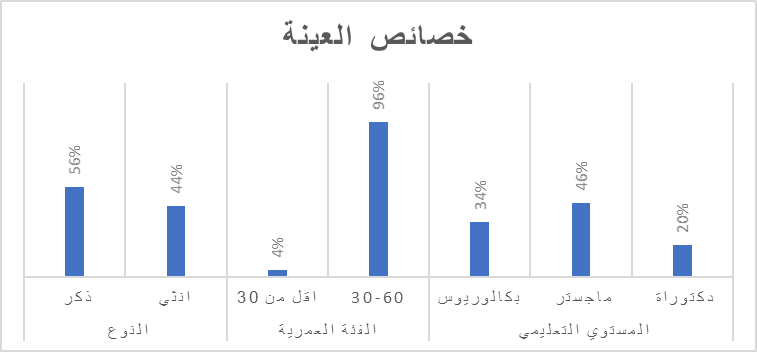
أن (96%) من المشاركين ينتمون إلى الفئة العمرية (30–60 سنة)، وهي فئة تمتلك خبرة عملية ومهنية، كما أن (66%) منهم يحملون درجتي الماجستير والدكتوراه في تخصصي علوم التربة والزراعة. يشير هذا إلى مستوى معرفي متقدم. إلا أن وجود (54%) من العينة في ولاية الخرطوم يحدّ من تمثيل بقية المناطق المتأثرة بالنزاع، مما قد يؤدي إلى تحيز مكاني في النتائج.
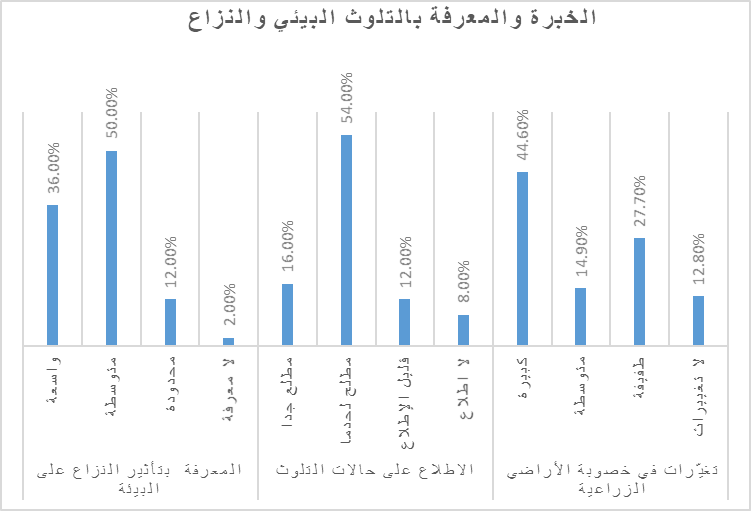
حوالي (98%) لديهم معرفة بتأثير النزاع المسلح على البيئة، إلا أن الاطلاع المباشر على حالات تلوث التربة يظل محدوداً بسبب الملاحظات النوعية وليس الكمية. كما أشار (87.2%) إلى ملاحظة تغيّرات في خصوبة الأراضي الزراعية في مناطق النزاع، مما يدل على وجود وعي بوجود مشكلة بيئية ناجمة عن النزاع، إلا أن هذه المعرفة لا ترتقي إلى فهم دقيق لتفاصيل تلوث التربة وأسبابه، وذلك بسبب نقص المعلومات والبحث الميداني.
جاءت إزالة الغابات وتدمير الأراضي الزراعية في المرتبة الأولى بنسبة (78%)، تلتها انهيارات البنية التحتية بنسبة (58%)، ثم العمليات العسكرية بنسبة (46%)و استخدام الأسلحة الكيميائية أو المتفجرات(38%)، وهو ما يدل على أن التلوث لا ينتج فقط عن الفعل العسكري المباشر، بل أيضاً عن الآثار غير المباشرة للنزاع، المتمثلة في انهيار النظم البيئية والخدمية ومخلفات الحرب.
تبيّن أن الملوثات البيولوجية هي الأكثر تأثيراً بنسبة (84%%)، تليها الملوثات العضوية بنسبة (49%)، بينما جاءت المعادن الثقيلة بنسبة أقل بلغت (33.3%). ويشير ارتفاع الملوثات البيولوجية إلى تدهور خدمات الصرف الصحي وإدارة النفايات، وهو نمط شائع في سياقات النزاعات. أما انخفاض تقدير المعادن الثقيلة، فقد لا يعكس الواقع الفعلي، بل قد يشير إلى قصور في الوعي أو غياب أدوات القياس، نظراً لصعوبة اكتشافها ميدانياً.
تؤثر التربة الملوثة بشكل كبير على عدة عناصر منها المياه (حوالي 68%)، والمحاصيل الزراعية (أكثر من 69%)، والصحة العامة (72%). وتؤكد هذه النتائج الترابط الوثيق بين عناصر النظام البيئي (التربة-المياه-الغذاء-الإنسان)، مما يعكس طبيعة التلوث كسلسلة انتقال مترابطة. كما يدل ارتفاع التأثير على المحاصيل الزراعية على وجود انعكاسات مباشرة على الأمن الغذائي، في حين يعكس التأثير الصحي المرتفع إدراكاً متزايداً للمخاطر، إلا أنه قد لا يكون مدعوماً ببيانات طبية دقيقة.
أوضحت النتائج أن (45%%) من المشاركين يرون عدم وجود جهود واضحة لرصد تلوث التربة، بينما أشار (20%) إلى وجود جهود محدودة، في حين لم تتجاوز نسبة من يرون وجود جهود منتظمة (4%)، مع وجود نسبة ملحوظة من غير المتأكدين بلغت (22%). كما أظهرت النتائج إجماعاً شبه كامل (100%) على أن غياب المختبرات البيئية وفشل شبكات الرصد يؤثر تأثيراً كبيرً على القدرة على فهم المخاطر المرتبطة بتلوث التربة، فيما أكد (88%) أهمية توفر بيانات دقيقة لتحسين إدارة هذه المخاطر.
تعكس هذه النتائج وجود ضعف هيكلي ومؤسسي واضح في منظومة الرصد البيئي، حيث إن غياب البيانات لا يعني غياب المشكلة ، بل يشير إلى إدارة المخاطر في بيئة يسودها عدم اليقين. كما أن هذا الاتفاق الكبير على أهمية البيانات يعكس مستوى من الوعي العلمي لدى المشاركين، يقابله عجز ملموس في البنية التحتية اللازمة للرصد والتحليل.
أظهرت النتائج أن أبرز الإجراءات المقترحة لمعالجة تلوث التربة في مناطق النزاع هي مراقبة وجمع البيانات بشكل مستمر(80%) ، وتوعية السكان المحليين بالمخاطر وطرق الوقاية(80%) ، وإعادة تأهيل الأراضي(70%) ، إلى جانب تحسين البنية التحتية والمختبرات(66%). كما أشار معظم المشاركين (71%) إلى أن قيادة جهود المواجهة يجب أن تكون مزيجاً من الجهات المختلفة، بما يشمل الحكومة، المجتمع المحلي، الأكاديميين، والمنظمات الدولية، مما يعكس إدراكاً لحاجة نهج تشاركي متعدد المستويات لضمان فعالية الاستجابة لتلوث التربة في سياقات النزاع.
استنتاجات الدراسة: يمكن تلخيصها بما يلي:
هنالك وعي متقدم بمخاطر تلوث التربة الناجم عن النزاعات المسلحة، لكن الفهم التفصيلي لتلوث التربة محدود بسبب نقص البيانات والبحث الميداني.
تلوث التربة ينشأ عن الفعل العسكري المباشر والآثار غير المباشرة للنزاع. و ارتفاع الملوثات البيولوجية يعكس تدهور خدمات الصرف الصحي وإدارة النفايات، بينما انخفاض تقدير المعادن الثقيلة يعكس صعوبة اكتشافها أو نقص أدوات القياس.
يفضل قيادة جهود المواجهة بنهج تشاركي يشمل الحكومة، المجتمع المحلي، الأكاديميين، والمنظمات الدولية لضمان فعالية الاستجابة.
التوصيات: قد تُؤخذ التوصيات التالية بعين الاعتبار بناء على:
إنشاء شبكات رصد متكاملة لرصد تلوث التربة في مناطق النزاع، مع تطوير مختبرات بيئية مجهزة لتحليل العينات بشكل دوري ودقيق.
تحسين خدمات الصرف الصحي وإدارة النفايات في المناطق المتأثرة بالنزاع للحد من انتشار الملوثات البيولوجية والعضوية، واستصلاح الأراضي المتضررة.
تنفيذ برامج توعوية وتدريبية للمزارعين والسكان المحليين حول مخاطر التلوث وطرق الوقاية، بما يعزز قدرة المجتمع على المشاركة الفعالة في إدارة التربة والبيئة.
دمج جهود الحكومة، المجتمع المحلي، الأكاديميين، والمنظمات الدولية لضمان استجابة متكاملة وفعالة لتلوث التربة في سياقات النزاع.
تشجيع الدراسات الميدانية المستمرة حول تلوث التربة ومكوناته المختلفة، بما في ذلك المعادن الثقيلة، لتوفير قاعدة بيانات دقيقة تدعم اتخاذ القرار.
قائمة المصادر والمراجع:
- Alaaeldein Abdelrahman Yousif (2023). Sudan current conflict and its reflection on the people of Darfur. Deriba Center for Environmental Studies.
- Al‑Shammari, A. M. (2016). Environmental pollutions associated to conflicts in Iraq and related health problems. Reviews on Environmental Health, 31(2), 245–250. https://doi.org/10.1515/reveh‑2015‑0024
- AOAV. (2019). Syria in 2020: the deadly legacy of explosive violence and its impact on infrastructure and health. Relief Web. https://reliefweb.int/report/syrian‑arab‑republic/syria‑2020‑deadly‑legacy‑explosive‑violence‑and‑its‑impact‑infrastructure.
- Brodowicz, M. (2025). The impact of wars and conflicts on the environment. Aithor. https://aithor.com/
- Conflict and Environment Observatory (CEOBS). (2025, May 5). How does war damage the environment? Blog, Law and Policy. https://ceobs.org
- Enel Group. (2024). Environmental pollution: what it is and how to reduce it. Enel Learning Hub. https://www.enel.com/learning‑hub/environment/environmental‑pollution
- Food and Agriculture Organization (FAO). (2018). Be the solution to soil pollution (Concept Note and Agenda). Global Symposium on Soil Pollution (GSOP18). https://edafoeduca.es/wp‑content/uploads/2018/05/Concept‑Note‑Agenda.pdf
- International Rescue Committee (IRC). (2026). Crisis in Sudan: What is happening and how to help. New York: IRC. https://www.rescue.org/sudan‑crisis
- Krampe, F., Kreutz, J., & Ide, T. (2025). Armed conflict causes long‑lasting environmental harms. Environment and Security, 4(1). https://doi.org/10.1177/27538796251323739
- United Nations (n.d.). International Day for Preventing the Exploitation of the Environment in War and Armed Conflict – 6 November. https://www.un.org/en/observances/environment‑in‑war‑protection‑day
- United Nations (UN). (2014). The Road to Dignity by 2030: Ending Poverty, Transforming All Lives and Protecting the Planet. Synthesis Report of the Secretary‑General on the Post‑2015 Agenda. New York, NY.
- United States Environmental Protection Agency (EPA). (2025). Learn about pollution prevention. https://www.epa.gov/p2/learn‑about‑pollution‑prevention
- World Health Organization (WHO). (2024). Air pollution: Overview and health impacts. Health Topics. https://www.who.int/health‑topics/air‑pollution
- UNICEF. (2023). A girl carries a jerry can on her shoulder, Yemen [Photograph by Clarke for UNOCHA, 3 November]. https://www.unicef.org
 English
  Arabic