

Assessment of natural radioactivity in soils of Iraq using NaI(Tl) Gamma-Ray Spectrometry: The Complete Review
تقييم النشاط الإشعاعي الطبيعي في تربة العراق باستخدام مطيافية أشعة غاما بكاشف يوديد الصوديوم المنشَّط بالثاليوم NaI(Tl): مراجعة شاملة
Bairaq Abd Al-Kareem1
1 General Directorate of Education in Babylon Governorate, Ministry of Education, Babylon 51001, Iraq
Email: bairaq1986@gmail.com
DOI: https://doi.org/10.53796/hnsj79/10
Arabic Scientific Research Identifier: https://arsri.org/10000/79/10
Volume (7) Issue (9). Pages: 242 - 251
Received at: 2026-08-05 | Accepted at: 2026-08-12 | Published at: 2026-09-01
Abstract: Natural radioactivity is a significant component of the environmental radiation exposure in soil. It is mainly caused by the naturally occurring radionuclides 238U, 232Th, 226Ra and 40K. This review aimed to evaluate in detail the published studies on the natural radioactivity of Iraqi soils using sodium iodide activated with thallium [NaI(Tl)] gamma-ray spectrometry. The characteristics of sampling, detector systems, activity concentrations of radionuclides and the related radiological hazard parameters in previous studies of several Iraqi governorates such as Najaf, Baghdad, Karbala, Babylon, Dhi Qar, Basrah, Nineveh and Wasit were reviewed. The investigated studies indicated the significant spatial variability of radionuclides concentrations, which is a consequence of the diversity of geological formations, soil composition, geographical conditions and land use. In general, the concentration of 40K was dominant in many of the studied locations while 238U and 232Th had relatively lower concentrations. Most of the radiological parameters reported such as radium equivalent activity, absorbed dose rate, annual effective dose and hazard indices were within the internationally recommended limits but some areas showed localized elevated values. In general, the NaI(Tl) gamma-ray spectrometry is a practical and useful tool for assessment of environmental radioactivity in Iraqi soils. The results underscore the importance of regular standardized monitoring and spatial surveys for a national baseline of natural radioactivity and to support environmental radiation protection in Iraq.
Keywords: Natural radioactivity, Iraqi soils, NaI(Tl), gamma-ray spectrometry, 238U, 232Th, 40K, radiological hazards.
المستخلص: يُعدّ النشاط الإشعاعي الطبيعي مكوّنًا مهمًا من مكوّنات التعرّض البيئي للإشعاع في التربة، وينشأ بصورة رئيسة عن النويدات المشعة الطبيعية: ²³⁸U، و²³²Th، و²²⁶Ra، و⁴⁰K. هدفت هذه المراجعة إلى إجراء تقييم تفصيلي للدراسات المنشورة حول النشاط الإشعاعي الطبيعي في تربة العراق باستخدام مطيافية أشعة غاما بكاشف يوديد الصوديوم المنشَّط بالثاليوم NaI(Tl). وقد استعرضت المراجعة خصائص أخذ العينات، وأنظمة الكشف، وتراكيز النشاط الإشعاعي للنويدات المشعة، ومعايير المخاطر الإشعاعية المرتبطة بها في الدراسات السابقة التي أُجريت في عدد من المحافظات العراقية، مثل النجف وبغداد وكربلاء وبابل وذي قار والبصرة ونينوى وواسط. وأظهرت الدراسات المشمولة تباينًا مكانيًا ملحوظًا في تراكيز النويدات المشعة، يُعزى إلى تنوّع التكوينات الجيولوجية، وتركيب التربة، والظروف الجغرافية، وأنماط استخدام الأراضي. وبوجه عام، كان تركيز ⁴⁰K هو السائد في العديد من المواقع المدروسة، في حين سُجلت تراكيز منخفضة نسبيًا لكل من ²³⁸U و²³²Th. كما كانت معظم معايير المخاطر الإشعاعية المبلّغ عنها، مثل النشاط المكافئ للراديوم، ومعدل الجرعة الممتصة، والجرعة الفعالة السنوية، ومؤشرات المخاطر، ضمن الحدود الموصى بها دوليًا، إلا أن بعض المناطق أظهرت قيمًا موضعية مرتفعة. وبوجه عام، تُعد مطيافية أشعة غاما باستخدام كاشف NaI(Tl) أداة عملية ومفيدة لتقييم النشاط الإشعاعي البيئي في التربة العراقية. وتؤكد النتائج أهمية إجراء عمليات رصد دورية وموحّدة، إلى جانب المسوحات المكانية، لإنشاء خط أساس وطني للنشاط الإشعاعي الطبيعي ودعم جهود الحماية من الإشعاع البيئي في العراق.
الكلمات المفتاحية: النشاط الإشعاعي الطبيعي، التربة العراقية، NaI(Tl)، مطيافية أشعة غاما، ²³⁸U، ²³²Th، ⁴⁰K، المخاطر الإشعاعية.
1: Introduction
Natural radioactivity is a natural component of the environment and represents an important source of human exposure to ionizing radiation. Rocks, soils, sediments, water and biological materials contain naturally occurring radionuclides. The major terrestrial sources are the decay series of uranium-238 (238U) and thorium-232 (232Th) and potassium-40 (40K) [1]. The concentrations and spatial distributions of these radionuclides vary significantly from one geographical region to another due to differences in geological formations, mineral composition, soil characteristics and environmental processes [2]. Thus, the characterization of natural radioactivity in soil is important to establish reliable environmental background levels and to evaluate the potential radiological exposure to the population.Soil, in particular, is of great importance in environmental radioactivity studies due to the presence of naturally occurring radionuclides accumulated in ground that are the main source of external gamma radiation. Radionuclides in the upper layers of soil emit gamma radiation which can make a significant contribution to the external dose of radiation received by people living or working in an area [1,3]. Thus, the assessment of the terrestrial radionuclides can provide useful information for the estimation of dose rates and annual effective doses absorbed, as well as for the determination of radiological hazard indicators. Reference values and dose coefficients have been developed by international organizations for the comparison of measured levels of environmental radioactivity in various territories and populations [3].Gamma-ray spectrometry is among the most potent non-destructive techniques for identifying and quantifying gamma emitting radionuclides in environmental samples. Sodium iodide activated with thallium [NaI(Tl)] is widely used among the available detector systems due to its relatively high detection efficiency, operational simplicity and suitability for routine environmental surveys. With proper energy and efficiency calibrations, NaI(Tl) detectors can be used to identify characteristic gamma-ray emissions and to determine activity concentrations of radionuclides in soil samples [4]. Thus, this technique has been widely applied to study 238U, 232Th, 226Ra, 40K and their associated progenies in environmental soils.Some studies have been conducted for the distribution of natural radionuclides in the soil using NAI (TI) gamma-ray spectrum analysis in Iraq. Studies performed in Najaf and other areas of Iraq demonstrated significant spatial variations in the activity concentrations of 238U, 232Th and 40K and determined the associated radiological parameters such as radium equivalent activity, absorbed dose rate, annual effective dose and external and internal hazard indices [5,6]. Recent Iraqi research has widened the geographic scope of soil radioactivity measurements, and added more data on the natural background radiation levels in different Iraqi environments [7]. Iraq has different geological and environmental settings, and systematic measurements of the region can be useful in establishing a national database of natural soil radioactivity.There is an increasing number of individual studies, but the existing Iraqi literature is geographically dispersed and varies in sampling strategies, detector configurations, sample numbers, radionuclides investigated, and reported radiological parameters. Hence, a comprehensive review of the investigations that applied NaI (Tl) gamma-ray spectrometry is required to synthesize the available evidence, compare the activity concentrations in different regions in Iraq, identify spatial patterns, evaluate the radiological importance and highlight the gaps in the methodology which need further research. The current review named “Assessment of natural radioactivity in Iraqi soils using NaI(Tl) gamma-ray spectrometry: A comprehensive review” is intended to review the published data on the levels of natural radionuclides in Iraqi soils especially 238U, 232Th, 226Ra, and 40K, measurement techniques, geographical distribution, sample characteristics, and the radiological hazard parameters.
2. Experimental Procedure and Measurement Technique
The gamma-ray spectrometry with a sodium iodide activated with thallium [NaI(Tl)] scintillation detector is widely used for the assessment of natural radioactivity in Iraqi soils. This technique is widely applicable for measurements of environmental radioactivity due to its relatively high detection efficiency, simple operation and the ability to identify the characteristic gamma-ray emissions from naturally occurring radionuclides [7]. The NaI(Tl) spectrometric system usually comprises a scintillation crystal coupled to a photomultiplier tube, a high-voltage power supply, preamplifier, multichannel analyzer (MCA) and a computer-based spectral analysis system. To reduce the contribution of environmental background radiation, and therefore to improve the sensitivity of measurements, a lead shielding chamber is generally used around the detector [8].Soil samples are gathered from predetermined locations using a standard sampling methodology and then conveyed to the laboratory for preparation. The samples are dried in an effort to remove moisture, crushed and homogenized to obtain a representative material and sieved in an effort to eliminate stones and coarse particles. The prepared soil is put into standardized air-tight containers of known mass and fixed geometry. The containers for the measurements of uranium and thorium decay series are sealed and retained for an appropriate time to allow radioactive equilibrium between parent radionuclides and their short-lived daughters prior to gamma-ray counting [9].The NaI(Tl) detector is calibrated in energy using standard gamma-ray reference sources with precisely known energies, before measuring the samples. This calibration is used to establish the relation between the channel number of the multichannel analyzer and the corresponding gamma-ray energy. Background measurements are also made under identical geometrical and counting conditions, but without the soil sample being measured. The obtained background spectrum is then subtracted from the sample spectrum to provide the net count rate attributable to the radionuclides in the soil [10].During the measurement process, gamma photons emitted from radionuclides in the soil interact with the NaI(Tl) crystal and generate scintillation light . This light is converted to electrical pulses by the photomultiplier tube. The pulses are sorted in the multichannel analyzer by their energy, and the gamma-ray spectrum is obtained. Radionuclides are identified by the characteristic photopeaks in the spectrum. The activity concentrations are calculated from the net peak areas, detector efficiency, gamma-ray emission probability, sample mass and counting time [11].The investigations of the Iraqi soil usually pay special attention to naturally occurring radionuclides of ^238U and ^232Th decay series and ^40K. The quantification of radionuclides such as ^226Ra and some of the daughter products of uranium and thorium can be achieved depending on the spectral resolution and the detector calibration . The activity concentrations obtained are generally presented in Bq/kg and then used for the calculation of the radiological parameters such as the radium equivalent activity, absorbed dose rate, annual effective dose and the external and internal hazard indices [12].
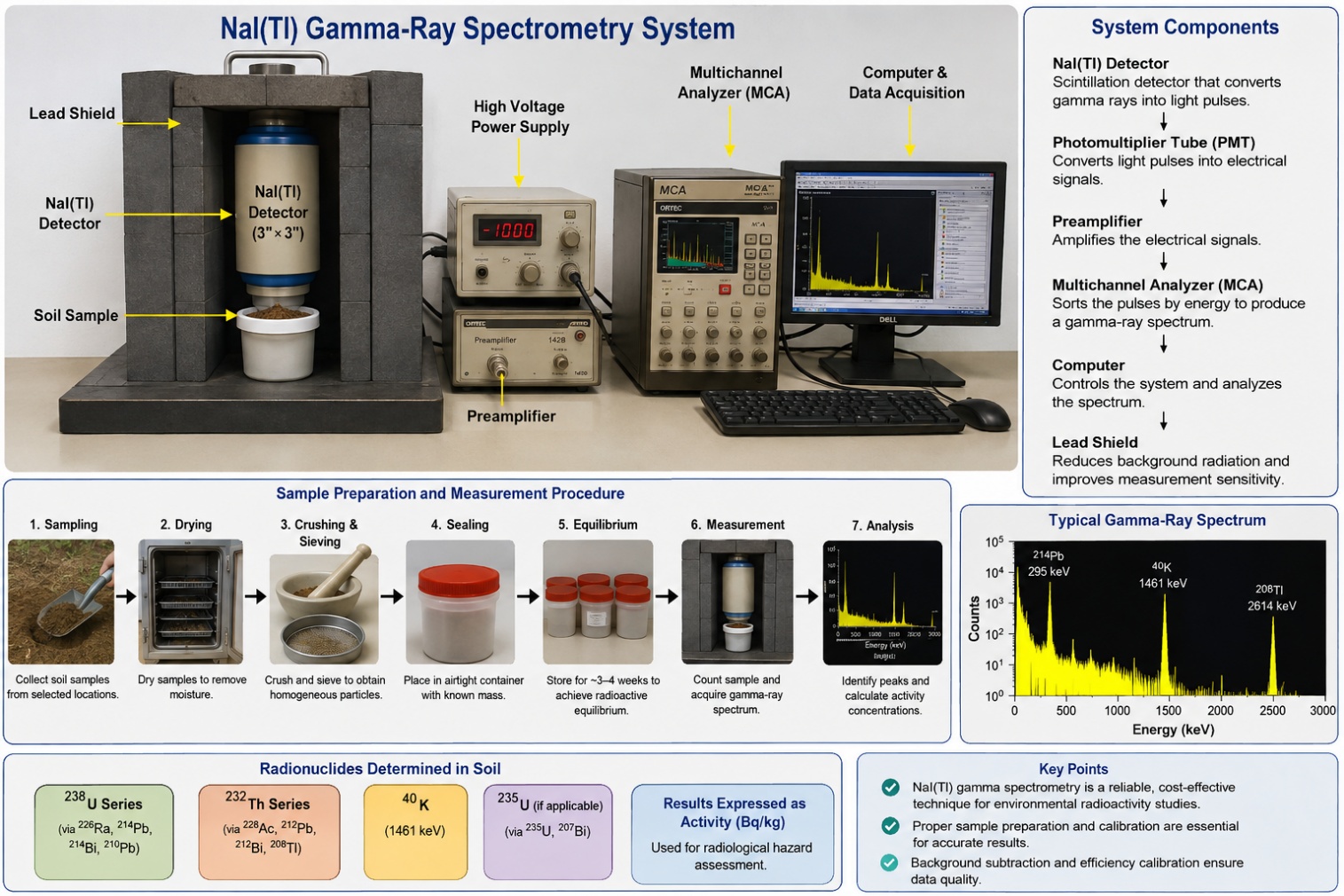
Figure 1. NaI(Tl) Gamma-Ray Spectrometry System and Experimental Procedure for the Assessment of Natural Radioactivity in Soil Samples
3: Previous Studies on Natural Radioactivity in Iraqi Soils Using NaI(Tl) Gamma-Ray Spectrometry
The available literature shows that NaI(Tl) gamma-ray spectrometry has been widely applied to study natural radioactivity in Iraqi soils in different geographical, environmental, archeological, agricultural and urban environments. The reviewed studies are mainly concerned with the determination of activity concentrations of natural radionuclides, particularly 238U, 232Th, 226Ra, and 40K, although a few have also considered ^235U and the associated radioactive progenies. The number of soil samples analyzed differed greatly among studies, due to differences in study objectives, geographical coverage and sampling strategies [7–12].Several investigations were conducted in Najaf, Baghdad, Dhi Qar, Babylon, Karbala, Basrah, Wasit and other Iraqi governorates. Beside radionuclide concentrations, significant radiological parameters such as radium equivalent activity (Ra_eq), absorbed gamma dose rate, annual effective dose, external and internal hazard indices, and excess lifetime cancer risk were also determined [13–18]. The reported results show that there are significant spatial variations of natural radioactivity levels among the Iraqi soils which may be correlated with the differences in the geological formations, soil mineralogy, environmental conditions, land use and local anthropogenic activities.More recent studies have widened the scope of radioactivity assessment by considering larger number of samples, and by including spatial analysis and GIS techniques to visualize the distribution of radionuclides [19–24]. In general, the majority of the studies reviewed indicated activity concentrations and radiological hazard indices within internationally recommended levels, tho relatively elevated values were noted in some localized areas. The variation of sampling sites and measurement methods is a good baseline information about the distribution of natural radio nuclides in Iraq soils.
Table 1. Comprehensive Summary of NaI(Tl)-Based Investigations of Natural Radioactivity in Iraqi Soils
| No | Study area | No. of soil samples | Detector | Main finding |
| 1 | Najaf Governorate | 7 sites | NaI(Tl) | Mean activities were generally comparable with international reference values, with some variation at Kufa and Najaf Sea. |
| 2 | Kufa, Najaf | NR | NaI(Tl) 3×3″ | Mean activities were approximately 25.23, 20.09 and 984.30 Bq/kg, respectively; Ra_eq remained below 370 Bq/kg. |
| 3 | Girsu, Thi Qar | NR | NaI(Tl) | Evaluated natural radionuclides and associated radiological hazards in an archaeological area. |
| 4 | Najaf | NR | NaI(Tl) | Demonstrated the application of NaI(Tl) gamma spectrometry for quantitative assessment of natural radioactivity in Najaf soils. |
| 5 | Ur, Dhi Qar | 24 | NaI(Tl) 3×3″ | Mean activities were 17.9, 13.66 and 314.62 Bq/kg, respectively, with radiological indices generally within acceptable levels. |
| 6 | Karbala | NR | NaI(Tl) | Mean absorbed dose was 90.83 nGy/h and annual effective dose was 111.89 μSv/y. |
| 7 | Babylon archaeological site | 10 | NaI(Tl) 3×3″ | Mean activities were 15.485, 15.505 and 170.206 Bq/kg, respectively, and were below recommended reference levels. |
| 8 | Baghdad | 20 | NaI(Tl) | Mean activities were 55.30, 49.18 and 545.24 Bq/kg, respectively; several radiological indices were calculated. |
| 9 | Basrah | NR | NaI(Tl) | ^226Ra showed relatively elevated concentrations, whereas ^232Th and ^40K were generally below acceptable levels. |
| 10 | Al-Dura, Baghdad | 30 locations | NaI(Tl) | Ra_eq and most hazard indices were generally below recommended limits, although the gamma index showed elevated values. |
| 11 | Southern Iraq | Multiple locations | NaI(Tl) | Provided regional data on natural radioactivity and identified spatial differences between southern Iraqi areas. |
| 12 | Al-Shatrah, Dhi Qar | NR | NaI(Tl) | Mean activities were 10.85, 5.81 and 354.11 Bq/kg; calculated hazard indices indicated no significant radiological risk. |
| 13 | Najaf Governorate | 25 | NaI(Tl) | ^238U ranged from 0.027–27.913 Bq/kg, ^232Th from 4.575–31.753 Bq/kg and ^40K from 44.731–368.768 Bq/kg. |
| 14 | Baghdad | 20 | NaI(Tl) | Natural radioactivity was measured after approximately one month of radioactive equilibrium; overall external dose was reported as low. |
| 15 | Wasit Governorate | 33 | NaI(Tl) | Investigated activity concentrations together with geochemical characteristics and radiological risk in surface soils. |
| 16 | Baghdad Governorate | 114 | NaI(Tl) | Large-scale survey; mean values for Karkh were 16.5, 9.7 and 368 Bq/kg and for Rasafa 17.4, 9.1 and 381 Bq/kg, respectively. |
| 17 | Najaf Governorate | 60 | NaI(Tl) 3×3″ | Mean activities were 18.01, 13.4, 256.9 and 0.83 Bq/kg, respectively; GIS was used to map radionuclide distributions. |
| 18 | Najaf schools | NR | Gamma spectrometry / NaI(Tl) | Mean activities were 20.1, 11.5, 330.9 and 0.926 Bq/kg; twelve radiological hazard indices were evaluated. |
| 19 | Al-Hilla, Babylon | 30 | Gamma spectrometer / NaI(Tl) | Reported mean activities of approximately 9.36, 16.0 and 141.5 Bq/kg, respectively. |
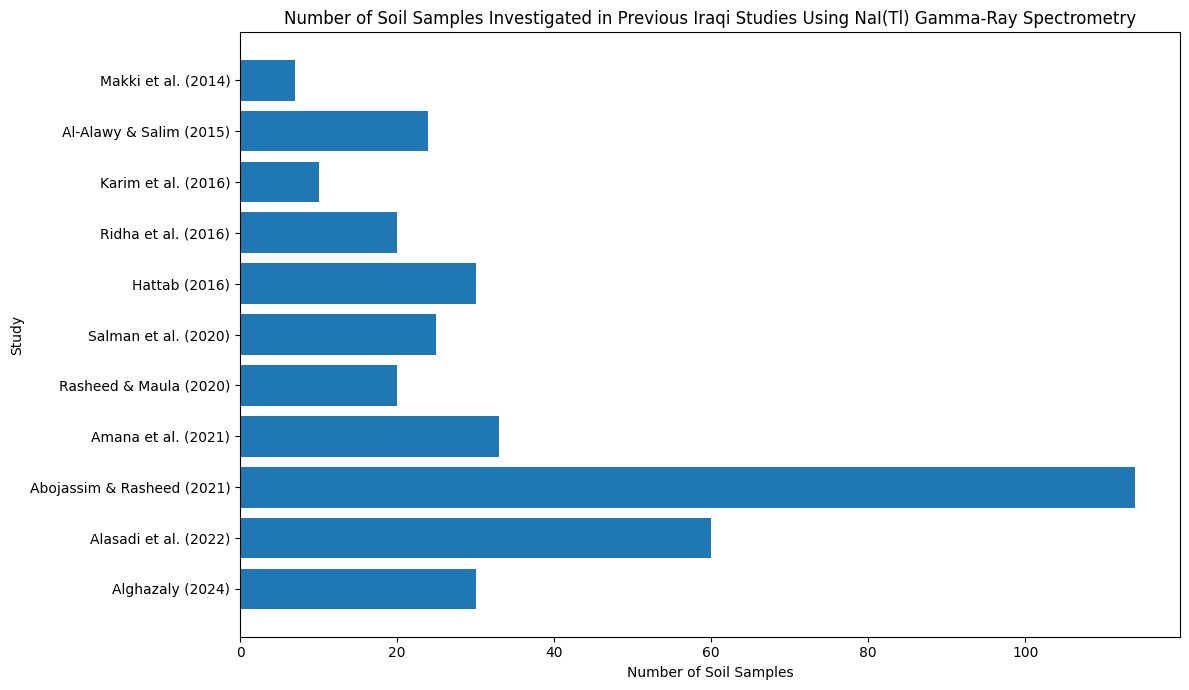
Figure 2. Number of Soil Samples Investigated in Previous Iraqi Studies Using NaI(Tl) Gamma-Ray Spectrometry
4: Results and Discussion
The examined literature reveals that the natural radioactivity concentrations of Iraqi soil investigated by NaI(Tl) gamma-ray spectrometry have high spatial variations. The activity concentrations of the principal naturally occurring radionuclides, 238U, 232Th and 40K, were found to be significantly different in the investigated regions due to variations in geological composition, soil mineralogy, geographical conditions and land-use characteristics [8,11,13,14]. The mean activity concentrations were found to be 25.23, 20.09 and 984.30 Bq/Kg for 238U, 232Th and ^40K respectively in the Kufa region which indicates a relatively high contribution of ^40K as compared to several other locations in Iraq [8]. In contrast, soil samples collected from the archeological site of Ur recorded lower mean concentrations of 17.90 Bq/kg for 238U, 13.66 Bq/kg for 232Th and 314.62 Bq/kg for 40K [11]. Similarly average values of 15.49, 15.51 and 170.21 Bq/kg were reported for 238U, 232Th and 40K respectively in the Babylon archeological site [13].
The Baghdad studies also revealed significant spatial variations. But Ridha et al. [14] reported comparatively higher mean concentrations about 55.30 Bq/kg, 49.18 Bq/kg, and 545.24 Bq/kg of ^238U, ^232Th and ^40K respectively. However, Abojassim and Rasheed, in their larger scale investigation with 114 soil samples from Baghdad Governorate, revealed much lower mean values for 238U and 232Th, while 40K remained relatively higher with mean concentrations of 16.5 and 17.4 Bq/kg for 238U, 9.7 and 9.1 Bq/kg for 232Th and 368 and 381 Bq/kg for 40K in Karkh and Rusafa, respectively [22]. This variation between studies carried out within the same governate emphasizes the significance of sampling density and geographical coverage in the interpretation of environmental radioactivity data.The most abundant radionuclide measured in the latest study in Najaf was 40K with mean values of 18.01 Bq/kg, 13.40 Bq/kg and 256.90 Bq/kg for 238U, 232Th and 40K respectively [23]. The authors also applied GIS techniques to demonstrate the spatial distribution of radionuclides. The concentrations of 238U, 232Th and 40K obtained in this work were generally lower than the corresponding worldwide averages given by UNSCEAR [23]. The average activities in Al-Hilla were even lower for 238U and 40K and were 9.36, 16.0 and 141.5 Bq/kg for 238U, ^232Th and ^40K respectively [25]. The computed radiological parameters obtained in that study were also within acceptable ranges indicating that the soils investigated are typical of environmental radioactivity conditions .The reviewed data generally show that 40K is the main contributor to the natural radioactivity registered in Iraqi soils and the activity concentrations of 238U and 232Th are usually much lower. But the differences between individual places are major. These variations are not necessarily to be taken as evidence of radiological contamination since the radionuclides are greatly controlled by geological and mineralogical characteristics of soil. The relatively high 40K values found in some studies may be related to potassium bearing minerals. However, the variations in uranium and thorium concentrations may reflect differences in parent rock composition and sedimentary processes. The radiological hazard parameters reported in most of the studies reviewed in this work were within internationally accepted limits indicating that the Iraqi soils investigated generally do not pose a significant radiological hazard to the public. Nevertheless, the local higher values indicate the need for continued systematic monitoring and wider spatial surveys with standardized sampling and measurement protocols [8,14,22,23,25].
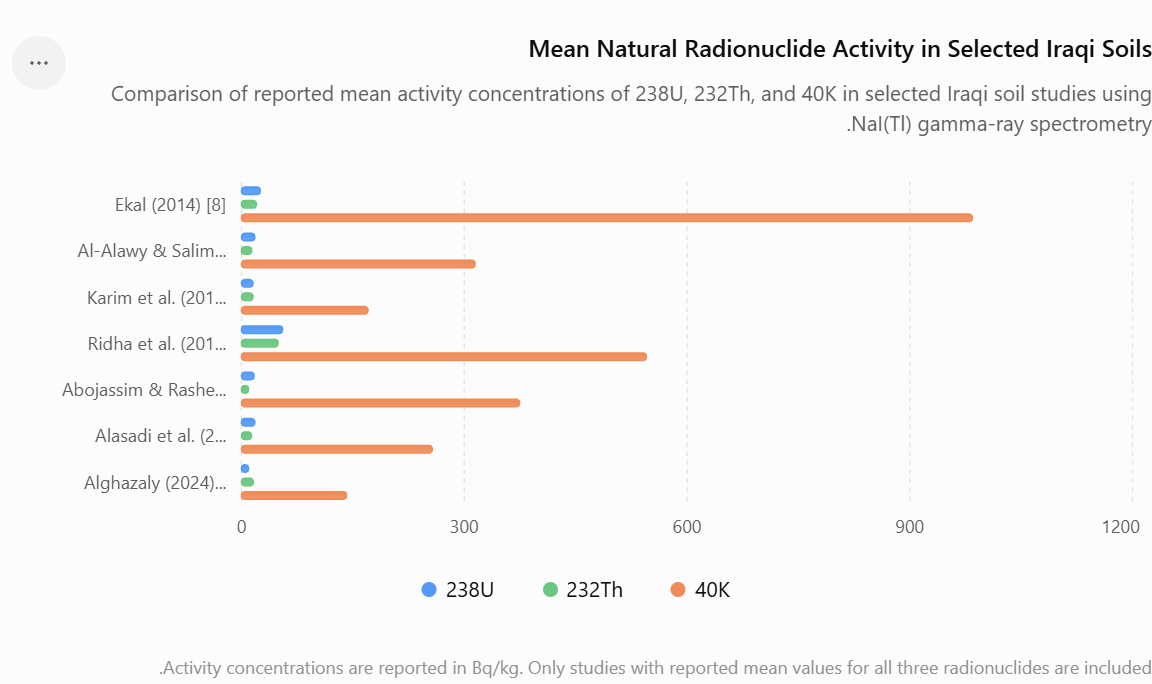
Figure 3 : shows that 40K has the maximum activity concentration in all selected studies. The highest reported mean value was reported in Kufa study (984.30 Bq/kg) while the lowest mean value of 40K was reported in Al-Hilla (141.5 Bq/kg). The figure also shows the large variation in 238U and 232Th concentrations in Iraqi regions, especially the relatively high values reported for Baghdad in the study of Ridha et al. [14]. Such differences justify the need for regional sampling and spatial analysis in the establishment of the natural radioactivity baselines of the Iraqi soils.
5:Conclusion
The results of the present studies indicate that NaI(Tl) gamma-ray spectrometry is a convenient and useful method for the measurement of natural radioactivity in the Iraqi soils. The activity concentrations of 238U, 232Th and 40K vary significantly in different regions of Iraq with 40K being the dominant radionuclide in general. The reported radiological hazard indices were generally below the internationally accepted limits and indicated a generally low radiological risk. Continuation of the standardized soil monitoring and wider spatial surveys is recommended to establish the comprehensive national baseline of natural radioactivity in Iraq.
References
[1] United Nations Scientific Committee on the Effects of Atomic Radiation (UNSCEAR). (2010). Sources and Effects of Ionizing Radiation: UNSCEAR 2008 Report to the General Assembly with Scientific Annexes, Volume I. United Nations, New York.
[2] International Atomic Energy Agency (IAEA). (1989). Measurement of Radionuclides in Food and the Environment: A Guidebook. IAEA Technical Reports Series No. 295. Vienna: IAEA.
[3] International Commission on Radiological Protection (ICRP). (2007). The 2007 Recommendations of the International Commission on Radiological Protection. ICRP Publication 103. Annals of the ICRP, 37(2–4), 1–332. https://doi.org/10.1016/j.icrp.2007.10.003
[4] Dovlete, C., & Povinec, P. P. (2004). Quantification of Uncertainty in Gamma-Spectrometric Analysis of Environmental Samples. IAEA-TECDOC-1401. International Atomic Energy Agency, Vienna.
[5] Makki, N. F., Kadhim, S. A., Alasadi, A. H., & Almayahi, B. A. (2014). Natural radioactivity measurements in different regions in Najaf city, Iraq. International Journal of Computer Trends and Technology, 9(2), 286–289. https://doi.org/10.14445/22312803/IJCTT-V9P154
[6] Ekal, A. K. (2013). Investigation of natural radioactivity in the soil of Kufa zone, Najaf governorate, Iraq. Journal of Kufa-Physics, 5(2).
[7] Almayahi, B. A. (2015). NaI(Tl) spectrometry to natural radioactivity measurements of soil samples in Najaf city. Iranica Journal of Energy and Environment, 6(3), 207–211.
[7] Ekal, A. K. (2013). Investigation of natural radioactivity in the soil of Kufa zone, Najaf governorate, Iraq. Journal of Kufa-Physics, 5(2).
[8] Al-Alawy, I. T., & Salim, M. D. (2014). Natural radioactivity levels in soil samples from Girsu archaeological site, Thi Qar, Iraq. Journal of Natural Sciences Research, 4(15), 1–7.
[9] Almayahi, B. A. (2015). NaI(Tl) spectrometry to natural radioactivity measurements of soil samples in Najaf city. Iranica Journal of Energy and Environment, 6(3), 207–211.
[10] Al-Alawy, I. T., & Salim, M. D. (2015). Natural radioactivity in selected soil samples from the archaeological of Ur City in Dhi-Qar Province, Iraq. International Letters of Chemistry, Physics and Astronomy, 60, 74–82.
[11] Al-Kaabi, M. A., & Al-Shimary, A. (2015). Study of the radiological doses and hazard indices in soil samples from Karbala city, Iraq.
[12] Karim, M. S., Daroysh, H. H., & Hameed, T. K. (2016). Measurement of natural radioactivity in selected soil samples from the archaeological of Babylon City, Iraq. Journal of Radiation and Nuclear Applications, 1(1), 31–35. https://doi.org/10.18576/jrna/010105
[13] Ridha, A. A., Salim, S. R., & Talib, D. F. (2016). Evaluation of natural radioactivity of soil samples from different regions in Baghdad governorate. Journal of College of Education.
[14] Subber, H., & Hussain, A. (2016). Assessment of natural radioactivity of soil sample in selected locations of Basrah Governorate. International Journal of Physics, 4(2), 32–36. https://doi.org/10.12691/ijp-4-2-2
[15] Hattab, L. A. (2016). Radioactivity and hazard indices of soil sample in Al-Dura thermal power plant in the Southern of Baghdad-Iraq. Iraqi Journal of Science, 57(1A), 128–132.
[16] Najam, L. A., & Younis, S. A. (2015). Assessment of natural radioactivity level in soil samples for selected regions in Nineveh Province (Iraq). International Journal of Novel Research in Physics Chemistry & Mathematics, 2(2), 1–9.
[17] Kadhim, S. H. (2017). Determination of natural radionuclides in surface and subsurface soil samples using NaI(Tl) detector. Baghdad Science Journal, 14(3), 468–476.
[18] Albidhanı, A. A., Almayahi, B. A., & Alasadi, L. A. (2019). Natural radioactivity and radiological hazards in soil samples from North Basrah oil field, Iraq. Journal of Radiation Research and Applied Sciences, 12(1), 126–134.
[19] Houmady, R. O. H. (2019). Assessment of nuclear radiation pollution in uranium mining-impacted soil. Iraqi Journal of Physics, 11(22). https://doi.org/10.30723/ijp.v11i22.351
[20] Dhahir, D. M., Mraity, H. A. A., Abojassim, A. A., Najam, L. A., & Al-Kazrajy, H. Y. Y. (2020). Natural radioactivity levels in soil samples of some schools in Al-Shatrah city at Dhi Qar governorate, Iraq. Malaysian Journal of Science, 39(3), 104–114. https://doi.org/10.22452/mjs.vol39no3.9
[21] Rejah, B. K., Oraibi, A. H., & Al-Salihi, A. (2020). Measurement of natural and artificial radioactive elements in soil at the Southern Al-Dora region, Baghdad governorate, Iraq. Journal of Natural Sciences, Life and Applied Sciences. https://doi.org/10.26389/AJSRP.S110520
[22] Abojassim, A. A., & Rasheed, L. H. (2021). Natural radioactivity of soil in the Baghdad governorate. Environmental Earth Sciences, 80. https://doi.org/10.1007/s12665-020-09292-w
[23] Alasadi, L. A., Alaboodi, A. S., Alasadi, A. H., Al-Taweel, M. H., & Abbas, F. S. (2021). Measurements of natural radioactivity in soil samples around Kufa cement factory sites in Najaf governorate, Iraq. International Journal of Radiation Research, 19(4), 1035–1040. https://doi.org/10.29242/ijrr.19.4.1035
[24] Alasadi, L. A., & Abojassim, A. A. (2022). Natural radioactivity in soil samples of Najaf City, Iraq. Arabian Journal of Geosciences, 15(20). https://doi.org/10.1007/s12517-022-10901-0
[25] Najam, L., Wais, T. Y., Kassim, Y. Y., Namq, B. F., et al. (2025). Radiological hazard assessment of ^226Ra, ^232Th, and ^40K in soil samples collected from northwestern Iraq. International Journal of Environmental Analytical Chemistry. https://doi.org/10.1080/03067319.2025.2553749
[26] Musa, H. J., Abd Ali, R. H., Najim, A. J., & Al-Saadi, A. J. (2026). Evaluation of natural radioactivity levels in soil samples of Al-Hindiya District, Karbala, Iraq. Nukleonika, 71(1). https://doi.org/10.2478/nuka-2026-0001
 English
  Arabic