

تأثير الكائنات الدقيقة في الهندسة الوراثية وتحديد مجالات المخاطر
م.م. علي عزيز دارم دريساوي1
1 المديرية العامة لتربية واسط، العراق.
The Impact of Microorganisms in Genetic Engineering and the Identification of Risk Areas
Asst. Lect. Ali Aziz Darem Dreisawi¹
¹ General Directorate of Education in Wasit, Iraq
DOI: https://doi.org/10.53796/hnsj76/20
المعرف العلمي العربي للأبحاث: https://arsri.org/10000/76/20
المجلد (7) العدد (6). الصفحات: 332 - 342
تاريخ الاستقبال: 2026-05-10 | تاريخ القبول: 2026-05-15 | تاريخ النشر: 2026-06-01
المستخلص: هدفت الدراسة إلى بيان دور الكائنات الدقيقة المعدلة وراثيًا في مجال الهندسة الوراثية، مع التركيز على تقنيات تحرير الجينوم الحديثة، وبخاصة تقنية CRISPR-Cas9، بوصفها أداة دقيقة وفعالة في تعديل الجينات وتطوير تطبيقات حيوية في المجالات الطبية والزراعية والصناعية. اعتمدت الدراسة على المنهج الوصفي التحليلي من خلال مراجعة عدد من الأدبيات والدراسات السابقة التي تناولت أهمية الكائنات الدقيقة المعدلة وراثيًا، وآليات توظيفها في إنتاج الأدوية واللقاحات وتحسين المحاصيل الزراعية، إلى جانب تحليل المخاطر البيئية والصحية والأخلاقية المرتبطة باستخدامها. وقد توصلت الدراسة إلى أن الكائنات الدقيقة تمثل ركيزة أساسية في الهندسة الوراثية الحديثة؛ نظرًا لقدرتها على التكاثر السريع وسهولة تعديل مادتها الوراثية، مما يسهم في تحسين جودة المنتجات الطبية، وزيادة مقاومة المحاصيل للأمراض والظروف البيئية، وتعزيز فرص التنمية الاقتصادية. كما أظهرت النتائج وجود مخاطر محتملة تتمثل في انتقال الجينات المعدلة إلى كائنات أخرى، والتأثير في التنوع البيولوجي، واحتمال ظهور مقاومة للمضادات الحيوية، فضلًا عن بعض الإشكالات الأخلاقية والتنظيمية. وأوصت الدراسة بضرورة وضع أطر قانونية وتنظيمية صارمة، وتعزيز أنظمة المراقبة والرصد المستمر، وتشجيع البحث العلمي المسؤول، بما يضمن الاستخدام الآمن والمستدام للكائنات الدقيقة المعدلة وراثيًا وتحقيق التوازن بين فوائدها التطبيقية ومخاطرها المحتملة.
الكلمات المفتاحية: الهندسة الوراثية، الكائنات الدقيقة، CRISPR-Cas9، التعديل الوراثي، المخاطر البيئية، التطبيقات الطبية والزراعية.
Abstract: This study aimed to examine the role of genetically modified microorganisms in genetic engineering, with a focus on modern genome-editing techniques, particularly CRISPR-Cas9, as a precise and effective tool for gene modification and the development of vital applications in medical, agricultural, and industrial fields. The study adopted a descriptive analytical approach by reviewing a number of previous studies and literature that addressed the importance of genetically modified microorganisms, their use in producing medicines and vaccines, improving agricultural crops, and analyzing the environmental, health, and ethical risks associated with their application. The study concluded that microorganisms represent a fundamental pillar of modern genetic engineering due to their rapid reproduction and the ease of modifying their genetic material. This contributes to improving the quality of medical products, increasing crop resistance to diseases and environmental conditions, and enhancing opportunities for economic development. The findings also revealed several potential risks, including the transfer of modified genes to other organisms, impacts on biodiversity, the possible emergence of antibiotic resistance, and certain ethical and regulatory concerns. The study recommended establishing strict legal and regulatory frameworks, strengthening continuous monitoring and surveillance systems, and encouraging responsible scientific research to ensure the safe and sustainable use of genetically modified microorganisms while maintaining a balance between their practical benefits and potential risks.
Keywords: Genetic engineering, microorganisms, CRISPR-Cas9, genetic modification, environmental risks, medical and agricultural applications.
المقدمة
تُعتبر الهندسة الوراثية من أهم العلوم الحديثة التي تستند إلى تعديل المادة الوراثية للكائنات الحية، وتحديدًا الكائنات الدقيقة مثل البكتيريا والعتائق، والتي تلعب دورًا حيويًا في تطوير تقنيات طبية وزراعية وصناعية متقدمة.
علم وراثة الأحياء الدقيقة يختص بدراسة تركيب ووظائف الجينات في هذه الكائنات، وكيفية التحكم فيها بواسطة أدوات تحرير الجينوم مثل CRISPR-Cas9، التي تمكّن الباحثين من إدخال أو حذف جينات معينة بطريقة دقيقة ومحددة لتحقيق خصائص مرغوبة [1] والشكل (1) يظهر مخطط لآلية عمل تقنية CRISPR-Cas9
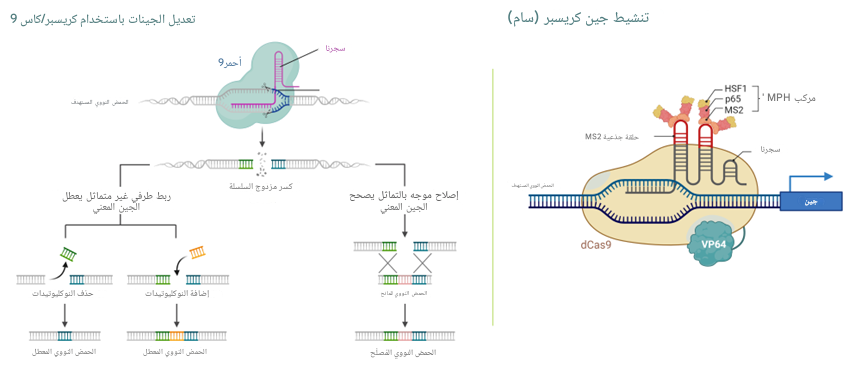
الشكل (1) آلية عمل تقنية CRISPR-Cas9
تتمثل تطبيقات الهندسة الوراثية في إنتاج أدوية كالإنسولين واللقاحات، تحسين المحاصيل الزراعية لتحمل الأمراض والظروف البيئية، بالإضافة إلى تصنيع مواد صناعية بيولوجية. ومع هذه الفوائد، تبرز مخاطر بيئية وصحية مرتبطة بإطلاق كائنات دقيقة معدلة وراثياً في الطبيعة، مثل انتقال الجينات المعدلة إلى كائنات أخرى أو تأثيرها على التوازن البيئي، ما يفرض وجود أطر تنظيمية وقانونية صارمة لضمان السلامة [2]
هذا البحث يستعرض تأثير الكائنات الدقيقة في الهندسة الوراثية من خلال تناول التقنيات المستخدمة، التطبيقات العملية، بالإضافة إلى تحليل المخاطر التي قد تنجم عن استخدام الكائنات المعدلة وراثياً، مع اقتراح توصيات لتقييم هذه المخاطر وإدارتها بشكل فعّال.
مشكلة البحث
على الرغم من التطور الكبير في تقنيات الهندسة الوراثية وخاصة في تعديل الكائنات الدقيقة، إلا أن هناك نقصاً في الفهم الشامل لتأثير هذه التعديلات على البيئة والصحة العامة، بالإضافة إلى وجود مخاطر محتملة مرتبطة بالتلوث الجيني وانتقال الجينات المعدلة إلى كائنات أخرى. كما أن التلاعب الوراثي قد يفتح المجال أمام استخدامات غير أخلاقية مثل الأسلحة البيولوجية، مما يستوجب وجود دراسات دقيقة لتحديد هذه المخاطر وتقييمها، ووضع ضوابط قانونية صارمة لضمان الاستخدام الآمن والمسؤول لهذه التقنيات الحيوية الحديثة. تكمن مشكلة البحث في الحاجة إلى تحليل متعمق ودقيق لدور الكائنات الدقيقة في الهندسة الوراثية وتأثيراتها المحتملة لتقديم إطار متكامل للتعامل مع فوائدها ومخاطرها بشكل متوازن وفعال
أهمية البحث
يكتسب هذا البحث أهمية كبيرة نظرًا للدور الحيوي الذي تلعبه الكائنات الدقيقة في مجال الهندسة الوراثية، حيث توفر قاعدة أساسية لتطوير تقنيات دقيقة تسمح بتعديل الجينات بطرق غير ممكنة في الظروف الطبيعية. الهندسة الوراثية للكائنات الدقيقة تدعم إنتاج أدوية عديدة مثل الإنسولين واللقاحات، بالإضافة إلى تحسين المحاصيل الزراعية وزيادة إنتاجيتها، مما يسهم في تعزيز الأمن الغذائي وتقليل الاعتماد على المواد الكيميائية المضرة بالبيئة. علاوة على ذلك، فإن البحث في تحديد مجالات المخاطر المحتملة للكائنات الدقيقة المعدلة وراثياً يعد ضرورياً للحفاظ على السلامة البيئية والصحية، خاصة مع انتشار استخدام هذه التقنيات في قطاعات متنوعة. لذا، يزود البحث صناع القرار والعلماء بأطر تقييم ومراقبة مهمة تسمح باستخدام آمن للمصادر الحيوية المتقدمة مع تعزيز الاستفادة من فوائدها العلمية والاقتصادية
هدف البحث
يهدف هذا البحث إلى دراسة دور الكائنات الدقيقة في مجال الهندسة الوراثية، مع التركيز على تقنيات تعديل جيناتها الحديثة مثل CRISPR-Cas9، لفهم كيفية تطبيق هذه التقنيات في مجالات الطب والزراعة والصناعة. كما يسعى البحث إلى تحديد وتقييم المخاطر المحتملة الناتجة عن التلاعب الوراثي بهذه الكائنات، سواء كانت بيئية، صحية، أو أخلاقية. بالإضافة إلى ذلك، يهدف البحث إلى تقديم توصيات لضبط وتنظيم استخدام الكائنات الدقيقة المعدلة وراثياً بما يضمن تحقيق الاستفادة القصوى منها مع تقليل المخاطر المرافقة
الدراسات المرجعية والقيمة المضافة للدراسة الحالية
للبدء في استعراض الدراسات المرجعية، من المهم أولاً توضيح الدور الحيوي الذي تلعبه الأدلة الجرثومية في مجال التحقيقات الجنائية الحديثة. تأتي هذه الدراسات لتقدم فهماً معمقاً حول الأساليب المتبعة لتفسير البيانات الجينية للكائنات الدقيقة وتطبيقها في حل القضايا البيولوجية والجنائية.
دراسة (Chakraborty & Budowle, 2011) تهدف الدراسة إلى بناء نموذج إحصائي لتفسير الأدلة الجرثومية في التحقيقات الجنائية، مع مقارنة بمعايير تحليل الحمض النووي البشري. تستخدم الدراسة أدوات ميكروبيولوجية وتحليلية جنائية تقليدية مثل تحليل الحمض النووي البشري والأنماط الجلدية والكيمياء التحليلية. تظهر النتائج إمكانية دمج هذه الأدوات مع البيانات الوبائية لتعزيز التحقيقات في الجرائم البيولوجية وتحديد منفذي الإرهاب البيولوجي بدقة. [3]
دراسة (Ran, 2013) تهدف الدراسة إلى استعراض تقنية CRISPR-Cas9 كأداة فعالة لتحرير الجينوم بدقة عالية في الكائنات حقيقية النواة، باستخدام دليل RNA لتوجيه إنزيم Cas9 لقطع DNA في مواقع محددة. توضح الدراسة البروتوكولات المستخدمة لتقليل الأخطاء وتحقيق تعديلات جينية سريعة وموثوقة، مع إمكانية تصنيع خطوط خلوية معدلة لدراسات وظيفية لاحقة. تشير النتائج إلى أن هذه التقنية سهلة الاستخدام متعددة التطبيقات وتمثل ثورة في مجالات الطب والزراعة والأبحاث العلمية، مع إمكانات علاجية واسعة تشمل الأمراض الوراثية والسرطان [4].
دراسة (Chakraborty & Budowle, 2011) تركز الدراسة على تطوير نموذج إحصائي لتفسير بيانات الطب الشرعي الميكروبي، مع الأخذ في الاعتبار الاختلافات الجينية المتنوعة للكائنات الدقيقة التي تؤثر على دقة التحديد. تهدف إلى استخدام هذا النموذج بالتكامل مع الأدوات الجنائية التقليدية مثل تحليل الحمض النووي البشري والأنماط الجلدية لتعزيز التحقيقات في الجرائم البيولوجية والإرهاب البيولوجي. تشير الدراسة إلى أهمية البيانات الوبائية في تتبع انتقال السلالات وتحسين دقة الاستدلال الجنائي. [5]
دراسة (Lee & Kim, 2015) تهدف الدراسة إلى تطوير سلالات صناعية فعالة من خلال هندسة الأيض الخلوي وتحسين عمليات التخمير الصناعية. تستخدم الدراسة أدوات علم الأحياء النظمي والتكنولوجيا الحيوية الصناعية لفهم التفاعلات المعقدة بين الشبكات الأيضية وتنظيم الجينات، مما يسهم في إنتاج مكثف لمركبات مهمة مثل الأحماض الأمينية والمواد الكيميائية والأدوية مثل الأرتيميسينين. تشير النتائج إلى أن الطرق المتقدمة في هندسة الأيض والنظم الأحيائية تساعد على تحسين إنتاجية هذه المركبات بشكل فعال وبتكلفة منخفضة، ما يعزز دور الهندسة الأيضية في الصناعات الدوائية والكيميائية والزراعية..[6].
دراسة (Song et al, 2025) تركز الدراسة على دور البكتيريا الجذرية المعززة للنمو في دعم النباتات من خلال تحسين امتصاص العناصر الغذائية وتنظيم الهرمونات النباتية، مما يزيد من إنتاجية المحاصيل وقدرتها على تحمل الإجهاد البيئي. تشير النتائج إلى أن استخدام هذه البكتيريا يوفر حلاً بيئيًا مستدامًا يقلل من الاعتماد على المواد الكيميائية الزراعية ويحسن من الأمن الغذائي في ظل تحديات تغير المناخ. [7].
دراسة (Corredor et al, 2023) تهدف الدراسة إلى تحليل جينوم بكتيريا Achromobacter denitrificans EPI24 المعزولة من سطح الطحالب البحرية Ulva lactuca، والتي تُظهر نشاطًا لإنزيم اللاكاز. استخدم البحث تحليلًا معلوماتيًا حيويًا لتحديد حجم الجينوم (حوالي 6.95 ميجابايت) ومحتوى القواعد النيتروجينية، واكتشف وجود جينات ترمز للإنزيم اللاكاز ذات الأدوار المهمة في التحلل البيولوجي للمركبات الفينولية. تشير النتائج إلى إمكانيات تطبيقية واسعة لهذه البكتيريا في العمليات الحيوية الصناعية والبيئية بفضل نشاط الإنزيمات التي تنتجها. [8]
دراسة (Ansori et al, 2023) تقدم الدراسة مراجعة شاملة لتقنية كريسبر-كاس9 المستخدمة في تحرير الجينوم، موضحة كيف يستخدم النظام دليل RNA لتوجيه إنزيم Cas9 لقطع DNA بدقة في مواقع محددة. تستعرض التطبيقات المتنوعة لهذه التقنية في مجالات الزراعة والطب والبيئة، وكذلك الأبحاث الجارية والاعتبارات الأخلاقية المرتبطة بها. تشير الدراسة إلى أن كريسبر-كاس9 تُمثل تقنية ثورية تفتح آفاقًا واسعة للتحسينات العلمية والتطبيقات العملية مع ضرورة الاستخدام المسؤول لضمان الفوائد المستدامة للمجتمع والبيئة. [9].
دراسة (Abdelnour et al, 2021) تركز الدراسة على استعراض استخدام تقنية كريسبر/كاس9 في تعديل الجينات لعلاج الأمراض الوراثية البشرية، داخل الجسم الحي وفي المختبر. تستعرض الدراسة إمكانيات هذه التقنية المتعددة في تحسين العلاجات الوراثية وتقديم حلول طبية مبتكرة، كما تناقش القيود والتحديات المستقبلية المتعلقة باستخدامها على المرضى، مع توضيح آليات عمل النظام وتطورات التطبيقات الحديثة. [10].
القيمة المضافة للدراسة الحالية
القيمة المضافة لهذا البحث تكمن في توظيفه للتقنية الحديثة CRISPR-Cas9 لتعديل الكائنات الدقيقة بهدف تحسين المنتجات الطبية والزراعية مع تحقيق فوائد اقتصادية ملموسة. كما يدمج البحث بين نتائج دراسات متعددة لتقييم الفوائد والمخاطر المتعلقة بالكائنات المعدلة وراثيًا، مع تأكيد أهمية الالتزام بالأطر القانونية والأخلاقية لضمان الاستخدام الآمن لهذه التقنية الحيوية المتطورة. هذا يعزز من فهم تأثير الكائنات الدقيقة المعدلة وراثيًا ودورها الحيوي في الهندسة الوراثية الحديثة.
مفهوم الكائنات الدقيقة والهندسة الوراثية
الكائنات الدقيقة هي مجموعة متنوعة تشمل الكائنات الحية الصغيرة جدًا التي لا يمكن رؤيتها بالعين المجردة، مثل البكتيريا والفيروسات والفطريات والطحالب والعتائق والأوليات [4]. والجدول (1) يوضح تصنيف هذه الكائنات مع أمثلة لكل منها
الجدول (1) تصنيف الكائنات الدقيقة
| نوع الكائنات الدقيقة | الوصف | أمثلة |
|---|---|---|
| البكتيريا | كائنات بدائية النواة صغيرة الحجم تفتقر إلى نواة حقيقية | Escherichia coli، Streptococcus |
| الفيروسات | كائنات غير خلوية تحتاج مضيف للتكاثر | فيروس الإنفلونزا، فيروس كورونا |
| الفطريات | كائنات حقيقية النواة تشمل الخمائر والعفن | Candida albicans، عفن الخبز |
| العتائق (Archaea) | كائنات بدائية النواة تعيش في بيئات قاسية | Halobacterium, الميثانوجينات |
| الأوليات (Protozoa) | كائنات حقيقية النواة أحادية الخلية غالبًا متحركة | الأمبيا، الجيارديا |
تُعتبر هذه الكائنات أساسية في علوم الأحياء الدقيقة والهندسة الوراثية نظرًا لقدرتها العالية على التغيير الجيني والتكاثر السريع، مما يجعلها نموذجًا مثاليًا لدراسة الجينات وتطوير تقنيات تعديل الحمض النووي مثل تقنية CRISPR-Cas9
. في مجال الهندسة الوراثية، يتم تعديل المادة الوراثية الخاصة بهذه الكائنات بطريقة دقيقة تهدف إلى إدخال تغييرات محددة، مثل إضافة جينات جديدة أو حذف جينات غير مرغوبة، لتحقيق أهداف تطبيقية في الطب والزراعة والصناعة [5].
تُعد تقنية CRISPR-Cas9 من أنجح وأدق الطرق المستخدمة لتعديل الجينات في الكائنات الدقيقة، حيث تستخدم إنزيم Cas9 مع جزيء RNA موجه لتحديد مواقع دقيقة في الحمض النووي لإحداث تعديلات محددة وفعالة. تمكّن هذه الأداة الباحثين من إنتاج كائنات دقيقة معدلة وراثيًا بفعالية عالية ودقة متناهية، مما دفعها إلى أن تصبح أداة مركزية لتطوير أدوية جديدة، ولقاحات محسنة، ومحاصيل زراعية مُعدلة، بالإضافة إلى استخدامات علمية واسعة. كما تسمح الهندسة الوراثية بالتحكم الدقيق والسريع في الجينات، مما يساعد على تحسين وظائف الكائنات الدقيقة أو منحها صفات جديدة مع تقليل المخاطر البيئية في حالة تطبيق التنظيم والضوابط المناسبة [6].
لذلك، فإن مفهوم الهندسة الوراثية في سياق الكائنات الدقيقة يعني الجمع بين الفهم العميق للوراثة واستخدام تقنيات تعديل الجينات المتقدمة مثل CRISPR-Cas9 لتطوير كائنات دقيقة محسنة تلبي الاحتياجات العملية المتنوعة في مجالات الطب والزراعة والصناعة.
دور الكائنات الدقيقة في الهندسة الوراثية
الكائنات الدقيقة تلعب دورًا أساسيًا ومتعدد الأبعاد في مجال الهندسة الوراثية، حيث تُعتبر أدوات حيوية لتطبيق تقنيات تعديل الجينات وإنتاج منتجات حيوية متقدمة. تتميز هذه الكائنات، مثل البكتيريا والعتائق، بسرعة تكاثرها وسهولة تعديل جيناتها، مما يجعلها نماذج مثالية لإنتاج جزيئات بيولوجية مهمة كالبروتينات العلاجية والإنزيمات الصناعية [7]. على سبيل المثال، يتم استخدام بكتيريا معدلة وراثياً في إنتاج الإنسولين الذي يساعد مرضى السكري، كما تُستخدم الكائنات الدقيقة في تطوير لقاحات فعالة عبر تقنيات التلاعب الجيني التي تتيح إنتاج مستضدات معينة تحفز الجهاز المناعي بمزيد من الدقة والكفاءة [8].
علاوة على ذلك، تساهم الكائنات الدقيقة المعدلة وراثياً في مجالات بيئية وصناعية عدة، مثل معالجة الملوثات وإنتاج الوقود الحيوي من المواد العضوية المتجددة، وأيضًا في تصنيع إنزيمات تستخدم في صناعة الغذاء والمواد الكيميائية الحيوية [10]. وفي الزراعة، تُسهم هذه الكائنات في مكافحة الآفات وتحسين خصوبة التربة بطرق طبيعية وصديقة للبيئة. كل هذه التطبيقات تعتمد على القدرة على تعديل الجينوم بدقة عالية باستخدام أدوات مثل CRISPR-Cas9، ما يتيح تحسين الكفاءة وتقليل المخاطر المحتملة للتدخل الوراثي.[4]
من جهة أخرى، يُظهر البحث العلمي تقدمًا مستمرًا في تطوير تقنيات التصوير والاختبار الجزيئي التي تعزز من فهم دور الكائنات الدقيقة داخل الأنظمة البيئية والبيولوجية المختلفة، فتتم دراستها في بيئاتها الطبيعية لدراسة وظيفة الجينات المعدلة وتأثيراتها، مما يسهم في تطوير تطبيقات أكثر أمانًا واستدامة [2]. لذلك، تمثل الكائنات الدقيقة الدعامة الأساسية في الهندسة الوراثية لدورها الكبير والمتنوع الذي يغطي جوانب طبية، بيئية، وزراعية وصناعية، مع ضرورة استحداث ضوابط تنظيمية للحفاظ على التوازن البيئي والحد من المخاطر.
تقنيات تعديل الجينات في الكائنات الدقيقة
في مجال تعديل الجينات في الكائنات الدقيقة، تُستخدم عدة تقنيات حديثة ومتقدمة تسمح بإجراء تعديلات دقيقة وفعالة على الجينوم. من أبرز هذه التقنيات تقنية CRISPR-Cas9 التي تعتمد على إنزيم Cas9 الموجه بواسطة RNA لقص مواقع محددة في الحمض النووي، مما يمكّن العلماء من إضافة أو حذف أو تعديل جينات معينة بدقة عالية [9]. تعزز الأبحاث الحديثة هذا النهج باستخدام الذكاء الاصطناعي لتصميم نماذج تُحسن عملية إصلاح الحمض النووي بعد القطع، مما يقلل من الأخطاء الناتجة ويزيد من فعالية التعديل. علاوة على ذلك، تم اكتشاف تقنيات جديدة تعتمد على بروتينات مثل بروتين فانزور التي تعتبر نظامًا موجهاً للحمض النووي الريبي، وتتمتع بإمكانية التعديل الوراثي بدقة متناهية في حقيقيات النوى، ما يوسع نطاق التطبيقات لتشمل النباتات والحيوانات إلى جانب الكائنات الدقيقة.[11]
والشكل (2) يظهر مراحل تعديل الجينات في الكائنات الدقيقة
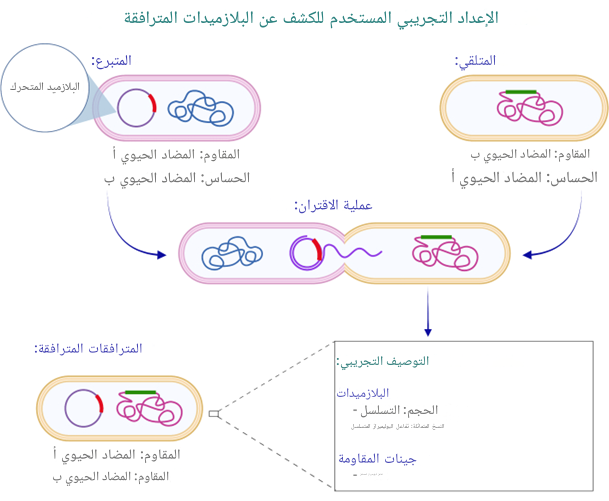
الشكل (2) مراحل تعديل الجينات في الكائنات الدقيقة
هذه التقنيات ليست فقط أدق وأسرع، بل أصبحت أيضًا أكثر سهولة وقابلية للاستخدام في المختبرات البحثية والصناعية، مما يسرّع تطوير كائنات دقيقة معدلة وراثيًا تُستخدم في مجالات متعددة كالطب والزراعة والصناعة [12]. وفي نفس الوقت، تعمل الأبحاث على تحسين السلامة وتقليل المخاطر المحتملة من خلال فهم آليات إصلاح الحمض النووي بشكل أعمق واستخدام قوالب توجيهية محددة يتم إنتاجها عبر الذكاء الاصطناعي [13].
مجالات المخاطر المرتبطة بالكائنات الدقيقة المعدلة وراثياً
مجالات المخاطر المرتبطة بالكائنات الدقيقة المعدلة وراثيًا تعد من القضايا الهامة التي تتطلب دراسة دقيقة وتنظيمًا صارمًا. فمن بين أبرز المخاطر التي أثيرت حول الكائنات المعدلة وراثيًا، هو احتمال انتقال الجينات المعدلة إلى الأنواع الأخرى، وهو ما يمكن أن يؤدي إلى ظهور أنواع حيوية جديدة غير مرغوب فيها، وتداخل غير متوقع مع التنوع البيولوجي، مما يهدد توازن النظم البيئية. بالإضافة إلى ذلك، هناك مخاطر بيئية، مثل مقاومة الكائنات الحية الدقيقة للمضادات الحيوية أو المواد الكيميائية، التي قد تؤدي إلى تفشي أمراض معدية جديدة أو مقاومة للعلاجات الحالية [14].
أما من الوجهة الصحية، فتتمحور المخاطر حول احتمالية تسبب الكائنات المعدلة وراثيًا في إحداث تفاعلات حساسية ومعضلات سامة، حيث قد تنتج بروتينات جديدة قد يكون لها آثار غير محسوبة على جسم الإنسان، خاصة عند استهلاكها بشكل متكرر. وتعد مقاومة المضادات الحيوية من أبرز المشاكل، حيث أن بعض الكائنات المعدلة تحمل جينات تمنحها مقاومة للمضادات، مما قد يؤدي إلى صعوبة في علاج العدوى المستقبلية الناتجة عنها. كذلك، توجد مخاوف أخلاقية تتعلق بحق الإنسان في اختيار ما يستهلكه من منتجات معدلة وراثيًا، بالإضافة إلى المخاطر الاقتصادية الناتجة عن اعتماد زراعة أو صناعة تعتمد بشكل مفرط على تقنيات حيوية قد تؤدي إلى هيمنة شركات معينة على سوق الغذاء.[7]
نظراً لكل هذه المخاطر، يتطلب استخدام الكائنات الدقيقة المعدلة وراثياً وضع أطر تنظيمية صارمة، تستند على تقييم دقيق للمخاطر والفوائد، وتوفير آليات للمراقبة المستمرة لضمان عدم حدوث آثار سلبية، مع تعزيز الشفافية وإشراك المجتمع في اتخاذ القرارات حول استخدام هذه التقنيات بشكل مسؤول.[4]
والشكل (3) يظهر المخاطر المحتملة لبعض المنتجات المعدلة وراثيا
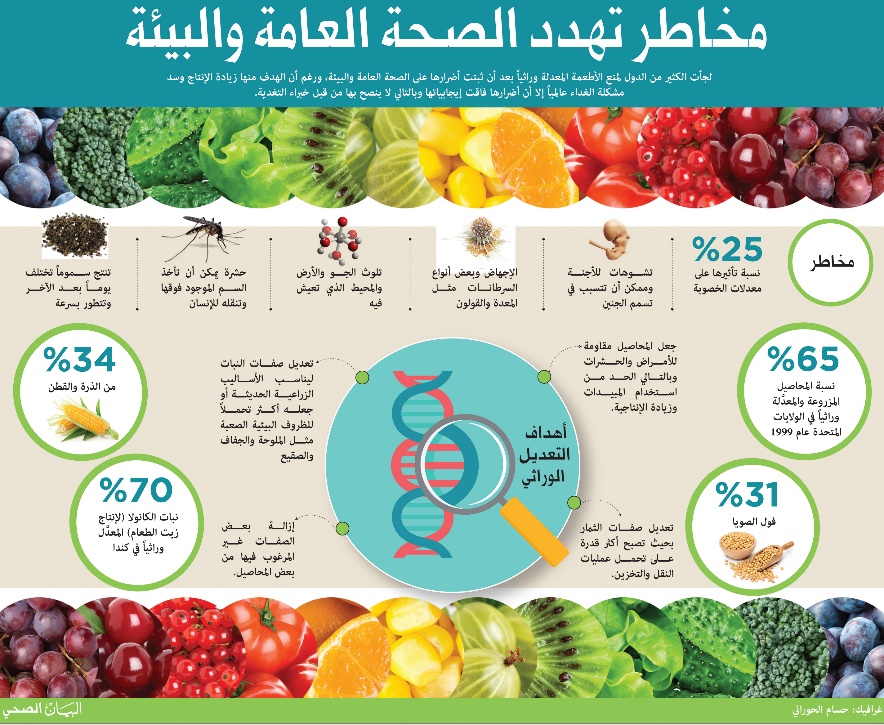
الشكل (3) المخاطر المحتملة العض المنتجات المعدلة وراثيا
تقييم وتنظيم استخدام الكائنات الدقيقة المعدلة وراثياً
تقييم وتنظيم استخدام الكائنات الدقيقة المعدلة وراثياً يعتبر من أهم الخطوات لضمان السلامة البيئية والصحية، وكذلك تحقيق الاستفادة الأمثل من هذه التكنولوجيا الحيوية. يتطلب التقييم العلمي دراسة دقيقة للمخاطر المحتملة، والتي تشمل التأثيرات البيئية المباشرة وغير المباشرة، خطر انتقال الجينات المعدلة إلى الكائنات الأخرى، وآثارها المحتملة على التنوع البيولوجي [15]. كما يجب الأخذ في الاعتبار العوامل الصحية المتعلقة بالاستخدام البشري والبيئي، بالإضافة إلى الجوانب الأخلاقية والاجتماعية المرتبطة باستخدام الكائنات المعدلة وراثياً.[16]
تشمل آليات التنظيم وضع أطر قانونية عالمية ووطنية، تستند إلى بروتوكولات تقييم مخاطر صارمة، مثل بروتوكول كيوتو والاتفاقيات الدولية الخاصة بالتنوع البيولوجي. تعمل هذه الأطر على ضمان اختبار كل كائن معدل وراثياً بشكل مستقل وموثق قبل السماح باستخدامه أو إطلاقه في البيئة. تنص المبادئ الدولية على ضرورة أن يكون التقييم قائمًا على تحليل كل حالة على حدة مع مراعاة الآثار المقصودة وغير المقصودة، مع متابعة دائمة ورقابة فعالة لضمان الاستخدام الآمن والمسؤول [17].
بالإضافة إلى ذلك، تشجع التوجيهات الدولية على استخدام تقنيات الكشف والتمييز بين الكائنات المعدلة وغير المعدلة، لتعزيز الشفافية وضمان مراقبة دقيقة في الأسواق والبيئة. وتلعب المؤسسات البحثية والحكومية دورًا محورياً في تطوير معايير تقييم ومراقبة مستدامة، وتشجيع البحث العلمي لتقليل المخاطر المحتملة، حيث أن التنظيم المدروس والمتكامل يوازن بين الفوائد الكبيرة والهواجس المتعلقة بالكائنات الدقيقة المعدلة وراثياً [10].
النتائج
نتائج تقييم المخاطر المرتبطة بالكائنات الدقيقة المعدلة وراثياً تشير إلى وجود مجموعة من الآثار المحتملة الناتجة عن استخدامها، والتي تتنوع بين مخاطر بيئية، صحية، وأخلاقية. على المستوى البيئي، تشمل تلك المخاطر احتمال انتقال الجينات المعدلة إلى الكائنات البرية، مما قد يؤدي إلى ظهور سلالات مقاومة للأمراض أو المبيدات، وبالتالي تدمير التنوع البيولوجي وتغيير التوازن الطبيعي للنظم البيئية. كما قد تنتشر الكائنات المعدلة عبر البيئة وتؤثر على النباتات والحيوانات المحلية، مسببة أضرارًا محتملة للنظام البيئي، مثل مقاومة الحشرات التي تستخدم المبيدات، أو انتقال جينات مقاومة للأدوية.
أما من الجانب الصحي، فتتمثل المخاطر في إمكانية تناول أو تعرض الإنسان للكائنات المعدلة التي قد تنتج بروتينات غير معروفة مسبقًا، مع احتمالات لحدوث تفاعلات حساسية أو سمية متأخرة. بالإضافة إلى ذلك، تتعلق المخاطر أيضًا بظهور مقاومة للمضادات الحيوية، حيث أن بعض الكائنات المعدلة تحمل جينات تمنحها مقاومة، مما يعوق علاج العدوى المستقبلية.
أما الجوانب الأخلاقية، فتتعلق بالقلق من قضايا مسؤولية الاستخدام، والتحكم في توزيع الكائنات المعدلة، والاحتمالات التي قد تؤدي إلى احتكار التكنولوجيا من قبل شركات كبرى، مما يهدد الأمن الغذائي ويزيد من التباين الاقتصادي. التقييم الشامل لهذه المخاطر يتطلب منظومة تنظيمية صارمة، تتضمن مراقبة مستمرة وتحليل دوري لنتائج التطبيق لضمان الاستخدام الآمن والمسؤول، مع تعزيز الشفافية ومشاركة المجتمع في عمليات اتخاذ القرار.
التوصيات
- تعزيز البُنى التنظيمية والقانونية لضمان الاستخدام الآمن والمسؤول، مع وضع معايير صارمة لتقييم المخاطر البيئية والصحية قبل السماح باستخدام الكائنات المعدلة وراثياً في المجالات المختلفة.
- تطوير أنظمة المراقبة والرصد المستمر للكائنات المعدلة وراثياً بعد إطلاقها في البيئة، لرصد أي تأثيرات غير متوقعة أو انتقال للجينات المعدلة إلى الكائنات البرية.
- تشجيع البحث العلمي في مجال تحسين تقنيات التعديل الوراثي، خاصة استخدام الذكاء الاصطناعي لتقليل الأخطاء وتعظيم الفوائد مع تقليل المخاطر.
- التوعية المجتمعية ودمج الرأي العام في صنع القرار حول استخدامات الهندسة الوراثية، مما يعزز الشفافية والثقة ويساعد في تجاوز المخاوف الأخلاقية والاجتماعية.
- تعزيز التعاون الدولي لتوحيد السياسات والمعايير المتعلقة بالكائنات الدقيقة المعدلة وراثياً، خاصة في ظل الحدود البيئية المشتركة.
آفاق العمل المستقبلي
- استكشاف تطوير تقنيات أكثر دقة وأماناً في تعديل الجينات لتحقيق تطبيقات بيئية وطبية وزراعية أكثر فعالية، مثل تقنيات التحرير الوراثي القائمة على الأنزيمات البديلة والتعديل متعدد المواقع.
- توسيع الدراسات في تقييم الأثر طويل الأمد للكائنات الدقيقة المعدلة في الأنظمة البيئية المختلفة لتطوير نماذج توقّع دقيقة.
- دمج تقنيات التحليل البيولوجي والكيميائي والبيئي لتطوير حلول مبتكرة مستدامة تدمج الهندسة الوراثية مع حماية البيئة والصحة العامة.
- دعم تطوير بروتوكولات اختبار ومعايير موحدة عالمياً لضمان سلامة استخدام هذه الكائنات عبر مختلف القطاعات.
الاستنتاجات:
تُظهر نتائج البحث الأهمية الكبيرة للكائنات الدقيقة في مجال الهندسة الوراثية، حيث إن التقدم في تقنيات تعديل الجينات مثل CRISPR-Cas9 وطرق التحرير الجيني الحديثة مهدت الطريق لتطبيقات واسعة في الطب والزراعة والصناعة تساهم في تحسين جودة حياة الإنسان ورفع كفاءة الإنتاج. مع ذلك، يُبرز البحث ضرورة التعامل بحذر عبر تقييم دقيق للمخاطر البيئية والصحية، وتنظيم صارم لاستخدام الكائنات المعدلة وراثياً وذلك للحفاظ على التوازن البيئي وضمان سلامة الإنسان. يتوجب على الدول والمؤسسات العلمية العمل بتضافر الجهود لوضع أطر تنظيمية وقانونية مرنة وحديثة، تراعي التطورات السريعة في هذا المجال، وتشجع البحث العلمي المسؤول والمراقبة المستمرة. يتطلع البحث إلى مستقبل يستفيد فيه المجتمع العالمي من هذه التقنية الحيوية المتقدمة بأمان ووعي، مما يعزز من فرص التنمية المستدامة مع احترام المبادئ الأخلاقية والبيئية.
المراجع
[1] Gest, H. (2004). The discovery of microorganisms by Robert Hooke and Antoni Van Leeuwenhoek, fellows of the Royal Society. Notes and Records of the Royal Society of London, 58(2), 187–201. https://doi.org/10.1098/rsnr.2004.0055
[2] Mortlock, R. (1984). Microorganisms as model systems for studying evolution (1st ed.). Springer.
https://link.springer.com/book/9781468448467
[3] Chakraborty, R., & Budowle, B. (2011). Population genetic considerations in statistical interpretation of microbial forensic data in comparison with human DNA forensic standard. In Microbial Forensics (2nd ed., pp. 561–580). Academic Press. https://doi.org/10.1016/B978-0-12-382006-8.00033-5
[4] Ran, F. A., Hsu, P. D., Wright, J., Agarwala, V., Scott, D. A., & Zhang, F. (2013). Genome engineering using the CRISPR-Cas9 system. Nature Protocols, 8(11), 2281–2308.
[5] Chakraborty, R., & Budowle, B. (2011). Population genetic considerations in statistical interpretation of microbial forensic data in comparison with human DNA forensic standard. In B. Budowle et al. (Eds.), Microbial Forensics (pp. 561-580). Elsevier. https://doi.org/10.1016/B978-0-12-382006-8.00033-5
[6] Lee, S. Y., & Kim, H. U. (2015). Systems strategies for developing industrial microbial strains. Nature Biotechnology, 33(10), 1061–1072. https://doi.org/10.1038/nbt.3365
[7] Song, X.-P., Yan, M.-X., Liang, Q., Zhang, X.-Q., Li, C.-N., Malviya, M. K., Sharma, A., Khan, Q., Guo, D.-J., Li, Y.-X., Verma, K. K., & Li, Y.-R. (2025). Recent advances in employing plant rhizobacteria for environmental stress mitigation in plants. Plant Stress, 17, 100947. https://doi.org/10.1016/j.stress.2025.100947
[8] Corredor, A. N. N., González, N. B. C., Acelas, M., & Castaño, D. M. (2023). Genome of the epiphytic bacterium Achromobacter denitrificans strain EPI24, isolated from a macroalga located in the Colombian Caribbean. Biotechnology Reports, 37, e00788. https://doi.org/10.1016/j.btre.2023.e00788
[9] Ansori, A. N. M., Antonius, Y., Susilo, R. J. K., Hayaza, S., Kharisma, V. D., Parikesit, A. A., Zainul, R., Jakhmola, V., Saklani, T., Rebezov, M., Ullah, M. E., Maksimiuk, N., Derkho, M., & Burkov, P. (2023). Application of CRISPR-Cas9 genome editing technology in various fields: A review. Narra Journal, 3(2), e184. https://doi.org/10.52225/narra.v3i2.184
[10] Abdelnour, S. A., Xie, L., Hassanin, A. A., Zuo, E., & Lu, Y. (2021). The potential of CRISPR/Cas9 gene editing as a treatment strategy for inherited diseases. Frontiers in Cell and Developmental Biology, 9, Article 699597. https://doi.org/10.3389/fcell.2021.699597
[11] Gest, H. (2004). The discovery of microorganisms by Robert Hooke and Antoni van Leeuwenhoek, Fellows of The Royal Society. Notes and Records of the Royal Society of London, 58(2), 187–201. https://doi.org/10.1098/rsnr.2004.0055
[12] Azeez, S. S., Hamad, R. S., Hamad, B. K., Shekha, M. S., & Bergsten, P. (2024). Advances in CRISPR-Cas technology and its applications: Revolutionising precision medicine. Frontiers in Genome Editing, 6, Article 1509924. https://doi.org/10.3389/fgeed.2024.1509924
[13] Ebrahimi, S., Khosravi, M. A., Raz, A., Karimipoor, M., & Parvizi, P. (2023). CRISPR-Cas technology as a revolutionary genome editing tool: Mechanisms and biomedical applications. Iranian Biomedical Journal, 27(5), 219-246. https://doi.org/10.61186/ibj.27.5.219
[14] سعدون، باسم عبد الواحد جاسور. (2021). تحديد التحويرات الوراثية في الفاكهة المستوردة ودراسة تأثير هذه التحويرات على فترات الخزن (رسالة ماجستير). كلية العلوم، جامعة كربلاء، العراق. https://uokerbala.edu.iq/wp-content/uploads/2021/09/2_5303465083555286199-Ahmed-Khalaf-Mahdi-%D8%A7%D8%AD%D9%85%D8%AF-%D8%AE%D9%84%D9%81-%D9%85%D9%87%D8%AF%D9%8A.pdf
[15] Waters, S., Ramos, A., Culler, A. H., Hunst, P., Zeph, L., Gast, R., Mahadeo, D., Sottosanto, J., Huber, S., Shan, G., Chakravarthy, S., & Goodwin, L. (2021). Recommendations for science-based safety assessment of genetically modified (GM) plants for food and feed uses. Journal of Regulatory Science, 9(1), 45-60. https://doi.org/10.21423/JRS-V09I1WATERS
[16] Giraldo, P. A., Shinozuka, H., Spangenberg, G. C., Cogan, N. O. I., & Smith, K. F. (2019). Safety assessment of genetically modified feed: Is there any difference from food? Frontiers in Plant Science, 10, 1592. https://doi.org/10.3389/fpls.2019.01592
[17] Domingo, J. L. (2016). Safety assessment of GM plants: An updated review of the scientific literature. Food and Chemical Toxicology, 95, 12-18. https://doi.org/10.1016/j.fct.2016.06.013
 English
  Arabic