

دور ضغوط العمل الداخلية في أداء العاملين بقطاع النقل العام (دراسة ميدانية على هيئة الموانئ البحرية السودانية)
زكى مكى أسماعيل1، د.عبدالله ابراهيم أبكرعبدالله2، نداء الدين سليمان نصر فرح3
1 بروفيسور، إدارة أعمال، كلية التجارة، جامعة النيلين، السودان
2 أستاذ مشارك، إدارة أعمال، كلية الإقتصاد والدراسات الإجتماعية، جامعة الجنينة، غرب دارفور، السودان.
3 جامعة النيلين، باحث علمى، السودان
The Role of Internal Work Stress in the Performance of Employees in the Public Transport Sector: A Field Study on the Sudanese Sea Ports Corporation
Zaki Makki Ismail¹, Dr. Abdullah Ibrahim Abkar Abdullah², Nidaa Al-Din Suleiman Nasr Farah³
¹ Professor of Business Administration, Faculty of Commerce, Al-Neelain University, Sudan.
2 Associate Professor of Business Administration, Faculty of Economics and Social Studies, University of El Geneina, West Darfur, Sudan.
3 Scientific Researcher, Al-Neelain University, Sudan.
DOI: https://doi.org/10.53796/hnsj75/59
المعرف العلمي العربي للأبحاث: https://arsri.org/10000/75/59
المجلد (7) العدد (5). الصفحات: 1050 - 1081
تاريخ الاستقبال: 2026-04-15 | تاريخ القبول: 2026-04-22 | تاريخ النشر: 2026-05-01
المستخلص: هدفت الدراسة إلى التعرف على دور ضغوط العمل الداخلية في أداء العاملين بقطاع النقل العام، بالتطبيق على هيئة الموانئ البحرية السودانية بولاية البحر الأحمر، وذلك من خلال تحديد مستويات ضغوط العمل ومصادرها الداخلية، وبيان أثرها في أداء العاملين. انطلقت الدراسة من مشكلة رئيسة تمثلت في التساؤل عن طبيعة العلاقة بين ضغوط العمل الداخلية وأداء العاملين في الهيئة، في ظل اتساع حجم العمل وتزايد المسؤوليات الإدارية والفنية. اعتمدت الدراسة على المنهج التاريخي، والمنهج الاستنباطي، والمنهج الاستقرائي، والمنهج الوصفي التحليلي، واستخدمت الاستبانة أداةً لجمع البيانات من عينة عشوائية بلغت (50) عاملاً من العاملين بهيئة الموانئ البحرية السودانية. وقد تم تحليل البيانات باستخدام الأساليب الإحصائية المناسبة، ومنها التكرارات، والنسب المئوية، والوسيط، والانحراف المعياري، ومعامل الثبات، والانحدار الخطي البسيط. توصلت الدراسة إلى وجود علاقة ذات دلالة إحصائية بين ضغوط العمل الداخلية وأداء العاملين، كما أظهرت النتائج أن تعدد المهام، وطول ساعات العمل، وتلقي التعليمات من أكثر من رئيس، وضعف التدريب على التقنيات الحديثة، وعدم وضوح بعض معايير العمل والتقييم، تمثل مصادر رئيسة للضغط داخل بيئة العمل. كما بينت الدراسة أن هذه الضغوط قد تؤثر في مستوى الكفاءة والفاعلية والرضا الوظيفي، رغم قدرة العاملين على الالتزام بواجباتهم والتعاون مع زملائهم. وأوصت الدراسة بضرورة تبني سياسات إدارية واضحة للحد من ضغوط العمل الداخلية، وتوفير برامج تدريبية مستمرة، وتحسين نظم الاتصال والتقييم، وإعادة توزيع الأعباء الوظيفية بما يسهم في رفع مستوى الأداء وتحسين بيئة العمل داخل الهيئة.
الكلمات المفتاحية: ضغوط العمل الداخلية، عبء الدور، غموض الدور الوظيفي، صراع الدور، أداء العاملين.
Abstract: This study aimed to identify the role of internal work stress in the performance of employees in the public transport sector, with application to the Sudanese Sea Ports Corporation in the Red Sea State. It sought to determine the levels and internal sources of work stress and examine their effect on employee performance. The study was based on a central problem represented by the question of the nature of the relationship between internal work stress and employee performance within the Corporation, especially in light of the expansion of work volume and the increase in administrative and technical responsibilities. The study adopted the historical, deductive, inductive, and descriptive-analytical approaches. A questionnaire was used as the main tool for collecting data from a random sample of 50 employees at the Sudanese Sea Ports Corporation. The data were analyzed using appropriate statistical methods, including frequencies, percentages, median, standard deviation, reliability coefficient, and simple linear regression. The study found a statistically significant relationship between internal work stress and employee performance. The results also showed that task multiplicity, long working hours, receiving instructions from more than one supervisor, insufficient training on modern technologies, and the lack of clarity in some work and evaluation criteria constitute major sources of stress within the work environment. The study further indicated that these pressures may affect the level of efficiency, effectiveness, and job satisfaction, despite employees’ ability to comply with their duties and cooperate with colleagues. The study recommended adopting clear administrative policies to reduce internal work stress, providing continuous training programs, improving communication and evaluation systems, and redistributing job burdens in a way that contributes to enhancing performance and improving the work environment within the Corporation.
Keywords: Internal work stress, role burden, job role ambiguity, role conflict, employee performance.
المبحث الأول: الإطار العام للدراسة:
أولاً: المقدمة
يعد قطاع النقل العام من القطاعات المهمة التي يعتمد عليها المجتمع في تسيير الحياة اليومية، حيث يساهم في نقل الأفراد والبضائع ودعم النشاط الاقتصادي، ويعتمد نجاح هذا القطاع بشكل كبير على كفاءة أداء العاملين فيه، نظراً لطبيعة العمل التى تتطلب الالتزام والدقة والتعامل المستمر مع الجمهور، ويتعرض العاملون في هذا القطاع إلى العديد من ضغوط العمل الداخلية، مثل زيادة عبء العمل، وظروف العمل الصعبة، وعدم وضوح المهام، وضعف الحوافز، وغيرها من العوامل التي تنشأ داخل بيئة العمل نفسها، وتؤثر هذه الضغوط بشكل مباشر على الحالة النفسية للعاملين، مما قد يؤدى إلى انخفاض مستوى أدائهم أو زيادة الأخطاء أثناء العمل، كما أن طبيعة العمل في النقل العام، والتي تتسم بطول ساعات العمل وكثرة المسؤوليات، تجعل العاملين أكثر عرضة للتوتر والإجهاد، وفي المقابل فإن التعامل الجيد مع هذه الضغوط يمكن أن يساعد فى تحسين الأداء وزيادة الكفاءة، لذلك يحاول الباحثون التعرف على دور ضغوط العمل الداخلية في التأثير على أداء العاملين بقطاع النقل العام، ومحاولة تقديم بعض الحلول التي تساعد في تقليل هذه الضغوط وتحسين بيئة العمل.
ثانياً: مشكلة الدراسة:
بعد اتساع رقعة العمل داخل هيئة الموانئ البحرية السودانية وكبر حجم العمل المتمثل في التوسع الرأسي والأفقي، إضافة إلى جهود الهيئة في التوسع في مجال المسئولية المجتمعية المتمثلة في توفير الخدمات التي درجت الهيئة على تقديمها، كل ذلك شكل مصدر ضغط على أداء العاملين داخل الهيئة. حيث أن تخفيف ضغوط العمل يعتبر عاملاً هاماً من عوامل نجاح الهيئات، وتعد الضغوط الداخلية أحد أهم العوامل ذات الدور السلبي على أداء العاملين وتعتبر أحد أهم العوامل المؤدية لفشل المؤسسة ككل، وقد تم صياغة المشكلة من خلال السؤال التالي:
هل هنالك علاقة بين ضغوط العمل الداخلية وأداء العاملين في هيئة الموانئ البحرية السودانية؟
ثالثاً: أهداف الدراسة:
تتمثل أهداف الدراسة في تآتي:
- التعرف على مستويات ضغوط العمل لدى العاملين بهيئة المواني البحرية السودانية.
- التعرف على مصادر ضغوط العمل لدى العاملين بهيئة الموانئ البحرية السودانية.
- التعرف على دور عناصر ضغوط العمل (الداخلية، الخارجية) على أداء العاملين.
رابعاً: أهمية الدراسة:
تنبع أهمية الدراسة من النقاط التالية:
- ضغوط العمل حيث أن ضغوط العمل تؤدي إلى نتائج سلبية تكلف المؤسسات الكثير من المال والجهد نتيجة للدور السالب لضغوط العمل كالغياب والتأخر ودوران العمل وتكاليف علاج الأمراض الناتجة عنها.
- معرفة مصادر الضغوط ومسبباته تمكن الإدارة من السيطرة على الضغوط بفاعلية للتخفيف من نتائجها السلبية والاستفادة من النتائج الإيجابية المحفزة على الأداء.
- محاولة تقديم مساهمة في دراسة موضوع دور ضغوط العمل على أداء العاملين نظراً لقلة الأبحاث التي تناولت العلاقة بين هذين الموضوعين في البيئة العربية وخاصة في هيئة الموانئ البحرية السودانية على حد علم الباحثون.
خامساً: فرضية الدراسة:
توجد علاقة ذات دلالة إحصائية بين ضغوط العمل الداخلية وأداء العاملين بهيئة الموانئ البحرية السودانية.
سابعاً: منهج الدراسة:
اعتمدت الدراسة على المناهج التالية:
- المنهج التاريخي لعرض الدراسات السابقة.
- المنهج الاستنباطي لتحديد مشكلة الدراسة.
- المنهج الاستقرائي لبناء الإطار العلمي لأبعاد مشكلة الدراسة وأهدافها.
- المنهج الوصفي التحليلي لدراسة العلاقة بين متغيرات الدراسة.
ثامناً: مصادر جمع البيانات:
تتمثل مصادر جمع البيانات في الآتي:
- المصادر الأولية: استخدم الباحثون الإستبانة لجمع البيانات.
- المصادر الثانوية: تمثلت في الكتب والدوريات العلمية والمؤتمرات والرسائل الجامعية والإنترنت.
تاسعاً: حدود الدراسة:
- الحدود المكانية: ركزت الدراسة على هيئة الموانئ البحرية السودانية وإدارتها المختلفة كمجال للتطبيق.
- الحدود الزمانية: العام 2026م.
المبحث الثاني: الدراسات السابقة:
فيما يلي يستعرض الباحثون عدداً من الدراسات التي لها علاقة بموضوع دراسته:
1. دراسة (الكبيسي، 2004م):
تناولت الدراسة ضغوط العمل وتأثيرها على الأداء الوظيفي دراسة ميدانية في قطاع البنوك القطرية، هدفت الدراسة إلى اى تحديد أهم مصادر ضغوط العمل ومجموعة من المتغيرات الوظيفية والشخصية على تصورات العاملين في قطاع البنوك وتحديد أثر ضغوط العمل على أداء العاملين في البنوك العاملة في دولة قطر، وقد توصلت الدراسة إلى أن حجم العمل المطلوب من موظفي البنوك القطرية كبير مما يزيد من التوتر والضغوط التي تواجههم وإن فرص الترقية محدودة، إن مستويات الضغوط المرتفعة تساهم في التأثير السلبي على أداء الموظفين كما أن الموظفين راضين عن حجم العمل المنجز من قبلهم،. أهم توصيات الدراسة هي زيادة فرص الترقي بشكل عادل والتخفيض من حجم العمل المطلوب انجازه وتحسين الظروف المادية للعمل بالبنوك.
2. دراسة (برهم، 2006م):
تناولت الدرسة ضغوط العمل وأثرها على أداء العاملين دراسة ميدانية في شركة اتصالات أردنية. هدفت الدراسة إلى معرفة أهم مصادر ضغوط العمل وأثرها على الأداء من خلال دراسة حالة الموارد البشرية وكانت عينة الدراسة مكونة من 496 موظف وموظفة من العاملين بجميع فئاتهم الإدارية. توصلت الدراسة إلى وجود علاقة ذات دلالة إحصائية بين العوامل التنظيمية (الأمان الوظيفي والعلاقة مع الرؤساء وغموض دور عينة الدراسة وتناقض وعبء الدور بدرجات متفاوتة).
3. دراسة (Kazmi,et al., 2008):
تناولت الدراسة الإجهاد المهني وتأثيره على الأداء الوظيفي.هدفت الدراسة إلى التعرف على أثر ضغوط العمل على الأداء الوظيفي. أظهرت النتائج تأييداً قوياً بالافتراض القائل بأنه توجد علاقة عكسية بين ضغط العمل والأداء الوظيفي مشيراً بأن هنالك ضغوط عمل متنوعة في العمل الضاغط مما أدى إلى أداء وظيفي منخفض وكان تأثير العوامل على الضباط الذكور أكثر من الإناث، أوصت الدراسة بأنه يجب تحسين العلاقة بين الأشخاص وعدم خلق ضغوط عمل من قبل الإدارة وإن هؤلاء الضباط لديهم مستوى ضغط مهني عال وأداء مهني منخفض.
4. دراسة (رحيمة، 2012م):
تناولت الدراسة دور مهارات القيادة الإستراتيجية في التهيؤ لضغوط العمل، هدفت الدراسة إلى دراسة دور مهارات القيادة الإستراتيجية بأبعادها الثلاثة (الرؤية، التركيز، التنفيذ) في التهيؤ لضغوط العمل بأبعادها الستة وهي (التهيؤ للمواجهة، التأمل للمواجهة، المواجهة الوقائية، البحث عن الدعم الوسيلي، البحث عن الدعم الوجداني، تجنب المواجهة) وذلك من خلال دراسة الارتباط والتأثير بين المتغيرين المذكورين وأبعادهما الفرعية. توصلت الدراسة إلى عدة نتائج منها، وجود علاقة ارتباط وتأثير بين مهارات القيادة الإستراتيجية والتهيؤ لضغوط العمل.
5 دراسة (عبد القادر، 2014م):
تناولت الدراسة دور نظم المعلومات في مراقبة وقياس أداء العاملين. هدفت الدراسة إلى مساعدة الإدارة في تحقيق أهداف المنظمة ككل من خلال عمل نظام آلي يقوم بتحقيق ووظيفة الرقابة على أداء العاملين ومقارنة نتائج أعمالهم مع المتوقع واتخاذ الإجراءات التصحيحية لضمان القيام بالمهام على الوجه الذي يضمن تحقيق هذه الأهداف، والاستفادة من التقدم التكنولوجي وتطور أنظمة المعلومات لاستخراج التقارير المطلوبة من قبل الإدارة لمساعدتها في اتخاذ القرارات السليمة، توصلت الدراسة إلى عدة نتائج منها، تم التوصل إلى نظام يقوم بتوجيه المهام للموظفين ومتابعة تنفيذ المهام والتزويد بالتقارير المناسبة في الوقت المطلوب.
6. دراسة (رشيد، حمدنا الله، 2018م):
تناولت الدراسة أثر إستراتيجية إدارة الموارد البشرية على أداء العاملين، هدفت الدراسة إلى التعرف على أثر إستراتيجية إدارة الموارد البشرية على أداء العاملين، اتبعت الدراسة المنهج الوصفي لتحليلي. توصلت الدراسة إلى عدة نتائج منها، إن الكليات الأهلية العراقية تعتمد إستراتيجية إدارة الموارد البشرية وبنسب عالية في جميع إداراتها وأقسامها المختلفة.
7. دراسة (النايف، 2018م):
تناولت الدراسة أثر ضغوط العمل على اتخاذ القرارات، تمثلت مشكلة الدراسة في أنه وبما أن للقطاع التربوي دوراً هاماً في الحياة وتسعى دائماً الدول من خلاله للوصول إلى المكانة المتميزة عبر النهوض بواقع المجتمعات، لذا من الواجب التركيز على التحديات التي تواجه القطاع، والسعي وراء تذليلها من خلال توظيف كل الإمكانيات المتاحة، هدفت الدراسة إلى تسليط الضوء على القطاع التربوي العراقي وإعداد إطار نظري خاص بالدراسة، محاولة عرض وتوضيح مفهوم وأهمية وأبعاد ومراحل اتخاذ القرار وتحديد أهم المؤشرات والمقاييس المعتمدة في القطاع المبحوث، توصلت الدراسة إلى عدة نتائج منها، يعتبر مصدر ضغوط العمل من المصادر الأساسية التي يتعرض إليها الموظفين أثناء العمل يعود ذلك حسب آراء العينة المستهدفة إلى طبيعة العمل وعدم فهم الإجراءات والقرارات المتخذة طبيعة العمل.
8.دراسة (بكور، 2022م):
تناولت الدراسة أثر ضغوط العمل على الأداء الوظيفي للموارد البشرية العاملة في شركات النقل الخاصة في سورية. تمثلت مشكلة الدراسة في التساؤل الرئيسي الآتي: ما أثر ضغوط العمل على الأداء الوظيفي للموارد البشرية العاملة في الشركة الأهلية؟. هدفت الدراسة إلى معرفة ضغوط العمل في الأداء الوظيفي للموارد البشرية العاملة في شركات النقل الخاصة في سورية، اتبعت الدراسة المنهج الوصفي التحليلي. توصلت الدراسة إلى عدة نتائج منها، وجود أثر سلبي ذو دلالة إحصائية لضغط العمل بأبعاده (صراع الدور، عبء الدور، ظروف العمل المادية، التطوير والنمو الوظيفي) على الأداء الوظيفي في الشركة الأهلية للنقل، وأنه لا يوجد أثر ذو دلالة إحصائية لبعد غموض الدور على الأداء الوظيفي.
الإطار النظرى: ضغوط العمل
أولاً: مفهوم ضغوط العمل:
إن مفهوم ضغط العمل بوصفه مصطلحاً قد نشأ في المؤسسات والمنظمات التي تعتمد في تحقيق أهدافها بصورة رئيسية على العنصر البشري، حيث يفترض من العنصر البشري أن يقوم بواجبه المهني بأسلوب يتسم بالفاعلية لتقديم الخدمات المنتظرة منه على أفضل وجه، إلا أن هنالك معوقات في بيئة العمل تحول دون قيامهم بدورهم بصورة كامنة وهذا ما يطلق عليه ضغوط العمل(والي، 2011م، ص 8). ويعتبر مفهوم ضغوط العمل من المفاهيم الواسعة الانتشار التي تناولها الأدب الإداري والعلوم الأخرى، فقد وردت في علم الإجتماع، علم النفس، الطب، القانون والتعليم وغيرها. وبالرغم من إختلاف هذا المفهوم عند الباحثونين إلا أنها جميعاً ترتبط بالمهام والأنشطة التي يمارسها العاملون في تأدية واجباتهم والتي تسمى بالضغوط المهنية أو ضغط العمل (Dollard, 2001, P.16)، وعرف (الهنداوي، 1994م، ص 30) ضغوط العمل بأنها تجربة ذاتية تحدث لدى الفرد اختلالاً نفسياً كالتوتر والإحباط، القلق وسرعة ضربات القلب أو إرتفاع ضغط الدم نتيجة لعوامل داخلية أو خارجية يتعرض لها وبالتالى المواقف التي سوف تختلف حسب مواقع الأفراد وطبيعة عملهم، عرف بأنه حالة تنشأ عن التفاعل بين الأفراد ووظيفتهم وتتسم بإحداث تغييرات بداخلهم تدفعهم إلى الانحراف عن أداءهم المعهود، كما عرف بأنه تفاعل بين الفرد والبيئة ينتج عنه تغيرات جسمية ونفسية تحدث انحرافات في أداء الفرد الطبيعي(Youg, 2009, P.112).
يعرف الباحثونون ضغوط العمل بأنها عبارة عن مجموعة مثيرات نتاجة عن البيئة الخارجية والداخلية للمؤسسة تؤدي إلى إحداث تغير سلوكي وفسيولوجي بدرجات متفاوتة على العاملين طبقاً لقدراتهم الجسمية والشخصية.
ثانياً: أهمية دراسة ضغوط العمل:
أشار (عطا الله، 2014، ص185) إلى أن دراسة ضغوط العمل أصبح من المجالات الأساسية لرجال الفكر الإداري والتنظيمي، وهناك جوانب عدة تكمن في أهمية دراسة هذه الضغوط منها:
- حماية متخذي القرار.
- تنمية مهارات التعامل الفعال مع الضغوط الداخلية والخارجية التي تواجه متخذي القرار ثم تنمية مهارات التخطيط والتنظيم والتوجيه والرقابة في ظل جو من الضغوط على متخذ القرار.
- سيادة روح الفريق والتعاون بين الرؤساء والمرؤوسين وزيادة التفهم والمشاركة والإيجابية البناءة بما يساهم في رفع الروح المعنوية للعاملين وإحساسهم بالمشاركة الفعالة في صنع حاضرهم ومستقبلهم الوظيفي بالمنظمة.
تبرز أهمية دراسة ضغوط العمل والاهتمام بها من خلال الآتي (كاظم، 2017م، ص 73):
- تحديد الإستراتيجيات الملائمة للتعامل مع نتائج الضغوط وتزويد المنظمة بالمعلومات التي تدعم الخطط التطويرية لها.
- معرفة مكامن الضعف التي تؤثر في الأداء الفردي والتنظيمي.
- تحقيق السلامة النفسية والمهنية وتوفير الجو الملائم للعاملين، وهذا لا يتم إلا من خلال الفهم الصحيح لها والتعامل الفعال معها.
- يتحمل متخذ القرار مسؤولية إدارية كبيرة في المنظمات وهو يتأثر بها كونها أصبحت واقع حياة، لذا أصبح من العبث التغاضي عنها.
يرى الباحثونون إن أهمية دراسة ضغوط العمل تنبع من عدة أمور أهمها:
- رفع الإنتاجية في العمل: الإنتاجية هي ما ينتجه العامل في العمل خلال فترة زمنية معينة، إن الإنتاجية مؤشر على نجاح أو فشل المؤسسة، وعلى مدى فعالية إستخدام عنصر العمل في عملية الإنتاج.
- التعاون في العمل: أن يتم العمل كفريق واحد وأن تكون المساعدة والتعاون هو السائد في بيئة العمل، مما ينعكس إيجاباً على أداء العاملين وعلى إنتاجيتهم.
- تحقق الرقابة: أن يكون في المؤسسة جهات متخصصة تقوم بالعملية الرقابية على العاملين، ليتم العمل على تحسين أداء العاملين وضبط العمل، وبالتالي رفع كفاءة وفاعلية العاملين.
ثالثاً: خصائص ضغوط العمل:
تتميز ضغوط العمل بجملة من الخصائص منها (ضيف وآخرون، 2009م، ص101-102):
- تحدث ضغوط العمل عندما تكون طبيعتها وحجمها والمواقف والظروف المحيطة بها فوق طاقة من يعمل الفسيولوجية والنفسية والذهنية، وخارج نطاق خبرته ومهارته في العمل، بحيث يكون غير قادر على التكيف والتعايش مع الجوانب المتعلقة بعمله ومعالجتها كلياً أو جزئياً.
- تباين ضغوط العمل من وظيفة لأخرى حسب طبيعتها وصعوبتها وموقعها في الهيكل التنظيمي، وعلاقتها مع الوظائف الأخرى، فعلى سبيل المثال وجد أن ضغوط العمل لدى سكرتير المدير العام أكبر من ضغط العمل لدى سكرتير مدير الشراء، علماً بأن الوظيفتين هما من نوعية واحدة.
- تتباين ضغوط العمل من شخص لآخر حسب إمكانياته الفسيولوجية والذهنية والنفسية ومهاراته في العمل، فكلما كانت هذه الإمكانيات عالية يشعر الفرد بضغط عمل أقل.
- لا يقتصر تباين وتفاوت ضغوط العمل داخل المؤسسة فقط بل يتباين من مؤسسة لأخرى، وذلك حسب المتغيرات التنظيمية السائدة فيها فالثقافة التنظيمية، النمط القيادي، طرق وإجراءات العمل، الفلسفة الإدارية، حجم المؤسسة، طبيعة العمل فيها، المناخ المادي والاجتماعي والعلاقات المتبادلة بين الموارد البشرية، جميعها تلعب دوراً في حدوث ضغوط العمل.
- إن ضغوط العمل ليست مرادفاً للقلق، ذلك لأن القلق يعتبر أحد ردود الفعل للضغوط التي يواجهها الفرد.
- تختلف ضغوط العمل من حيث طبيعتها ودرجة تأثيرها على الأفراد، فقد تخدم الضغوط أغراضاً مفيدة، بحيث تكون دافعاً لرفع جودة العمل، لمنافسة، التفوق، وقد تشكل فرصة للتحسين والتطوير، كما قد تسبب أضراراً كبيرة على المستوى الشخصي والتظيمي، وبالتالي فإن لضغوط العمل جانبين، جانب إيجابي وآخر سلبي، وبالتالي فإن التعامل السليم مع الضغوط يقتضي تعظيم الجانب الإيجابي له، وتقليل الآثار الضارة لجانبه السلبي، هذا إلى جانب أنه ليس بالضرورة أن يكون سبب الضغط موقف سلبي، بل قد يكون سببه موقفاً إيجابياً.
- ضغوط العمل ليست حادثة أو ظرف، لكنها استجابة لهذه الظروف أو الأحداث، إذ إن الحادثة أو الظروف تمثل مثيراً والضغوط تمثل استجابة لهذه المثيرات.
- ضغوط العمل أمر لا يمكن ولا يستحسن تجنبه، حيث أنه ما دام الفرد يتفاعل مع بيئته، فإنه عرضة لمطالب الحياة والعمل التي تؤدي إلى الضغوط، بل إن الفرد في كثير من الأحيان بحاجة إلى درجة مختلفة ومقبولة من الضغوط التي تدفعه نحو تحقيق التميز والتفوق في الأداء.
- ضغوط العمل كثيرة ولا توجد طريقة تكفل القضاء عليها لكن هناك طرق تخفضها إلى حدها الأدنى(ضيف وآخرون، 2009م، ص102).
يرى الباحثونون أنه يختلف تأثير ضغوط العمل على الأفراد، فالبعض يستطيع تحمل حجم كبير نسبياً، ولفترات طويلة من الوقت، بينما البعض الآخر لا يمكنه تحمل سوى مواقف ضاغطة قليلة جداً.
رابعاً: المصادر الداخلية لضغوط العمل:
تتعدد مصادر ضغوط العمل الداخلية داخل المنظمة، وتختلف من بيئة إلى أخرى، إلا أنها تشترك في تأثيرها المباشر على سلوك العاملين وأدائهم. ومن هذه المصادر ما يلي:
1. عبء العمل وتزايد المهام: يُعد عبء العمل الزائد من أكثر مصادر الضغط شيوعاً، حيث يؤدى تكليف العاملين بمهام تفوق قدراتهم أو ضمن وقت غير كافٍ إلى الشعور بالإرهاق والتوتر، مما يقلل من قدرتهم على الإنجاز بكفاءة (العميان، 2010، ص 245).
2. غموض الدور الوظيفي: يؤدي عدم وضوح المهام والمسؤوليات إلى خلق حالة من القلق لدى العاملين، حيث يصبح من الصعب تحديد الأولويات أو معرفة التوقعات المطلوبة منهم، مما ينعكس سلباً على مستوى الأداء (السلمي، 2013، ص 178).
3. صراع الأدوار داخل المنظمة: ينشأ صراع الأدوار عندما يتلقى العامل تعليمات متعارضة أو مطالب غير متوافقة من الإدارة، مما يؤدي إلى حالة من التوتر والارتباك، ويضعف القدرة على اتخاذ القرار (Robbins & Judge, 2017, p. 602).
4. ظروف العمل: تشمل ظروف العمل البيئة المادية والتنظيمية التي يعمل فيها الأفراد، مثل الإضاءة، التهوية، الضوضاء، وساعات العمل الطويلة. وتؤدي الظروف غير المناسبة إلى شعور العاملين بالإجهاد وعدم الراحة، مما ينعكس سلباً على أدائهم وكفاءتهم (Greenberg, 2011, p. 287).
5. فرص النمو والتقدم الوظيفي: يؤدي غياب فرص الترقية والتطور المهني إلى شعور العاملين بالإحباط وفقدان الدافعية، خاصة إذا شعروا بأن جهودهم لا تُقدّر بشكل كافٍ(Dessler, 2015, p. 220).
6. الأمن الوظيفي: يعد الشعور بعدم الاستقرار الوظيفي من أبرز مصادر الضغط، حيث يؤدي الخوف من فقدان الوظيفة أو عدم وضوح المستقبل المهني إلى القلق والتوتر، مما ينعكس سلباً على الأداء (Robbins & Judge, 2017, p. 613).
7. عدم ملاءمة الدور الوظيفي: يحدث ذلك عندما لا تتوافق مهارات العامل وقدراته مع متطلبات الوظيفة، أو عندما يتم تكليفه بمهام لا تتناسب مع تخصصه، مما يؤدي إلى الشعور بالعجز أو الضغط المستمر (العميان، 2010، ص 248).
8. التكنولوجيا داخل العمل: رغم أهمية التكنولوجيا في تحسين الأداء، إلا أن استخدامها المكثف دون تدريب كافٍ قد يسبب ضغطاً للعاملين، خاصة عند التعامل مع أنظمة معقدة أو متغيرة باستمرار، مما يؤدي إلى القلق وضعف الكفاءة (Robbins & Judge, 2017, p. 610).
9. نظم تقييم الأداء: إذا كانت نظم تقييم الأداء غير واضحة أو غير عادلة، فإنها تؤدي إلى شعور العاملين بالظلم وعدم الرضا، مما يزيد من مستويات الضغط ويؤثر على أدائهم الوظيفي (Dessler, 2015, p. 225).
10. الهيكل التنظيمي: يلعب الهيكل التنظيمي دوراً مهماً في خلق أو تقليل الضغوط، حيث تؤدي الهياكل المعقدة أو المركزية المفرطة إلى بطء اتخاذ القرار وغموض الصلاحيات، مما يزيد من التوتر داخل العمل (الطراونة، 2012، ص 140).
مما سبق يتضح للباحثونون أن ضغوط العمل الداخلية تمثل عاملاً حاسماً في تحديد مستوى أداء العاملين، حيث تؤدي الضغوط المرتفعة إلى نتائج سلبية متعددة تشمل انخفاض الإنتاجية وضعف الجودة والاحتراق الوظيفي، وفي المقابل، فإن الإدارة الفعالة لهذه الضغوط يمكن أن تحولها إلى عامل محفز للأداء، لذا فإن نجاح المنظمات في تحقيق أهدافها يعتمد بدرجة كبيرة على قدرتها في إدارة بيئة العمل الداخلية بشكل يحقق التوازن بين متطلبات العمل وراحة العاملين.
الإطار النظرى: أداء العاملين
أولاً: مفهوم أداء العاملين:
يعرف أداء العاملين بأنه إنجاز الأعمال كما يجب أن تنجز، وهذا ينسجم مع اتجاه بعض الباحثونين في التركيز على اسهامات الفرد في تحقيق أهداف المنظمة من خلال درجة اتمام مهام وظيفته، حيث يعبر الأداء عن السلوك الذي تقاس به قدرة الفرد على الاسهام في تحقيق أهداف المنظمة(الخناق، 2005م، ص35)، أداء العاملين من الناحية الإدارية يعرف على أنه القيام بأعباء الوظيف من المسؤوليات والواجبات وفقاً للمعدل المفروض أداءه من العامل الكفؤ المدرب، ويمكن معرفة هذا المعدل عن طريق تحليل الأداء، أي دراسة كمية العمل والوقت الذي يستغرقه وإنشاء علاقة عادلة بينهما، وللتمكن من ترقية الموظف تجرى له اختبارات أداء، ويعتمد في ذلك على تقارير الأداء، أي الحصول على بيانات من شأنها أن تساعد على تحليل وفهم وتقييم أداء العامل لعمله وسلوكه فيه في فترة زمنية محدودة(بدوي، 1992م، ص310).
يعرف الباحثونون أداء العاملين بأنه انعكاس لقدرة الفرد في تحقيق الأهداف المتعلقة بعمله أياً كانت طبيعة هذا العمل.
ثانياً: أهمية أداء العاملين:
تتمثل أهمية أداء العاملين في الآتي (منصور، 1996م، ص135):
- يعد الأداء مقياساًَ لقدرة الفرد على أداء عمله في الحاضر وكذلك أداء أعمال أخرى مختلفة نسبياً في المستقبل فإذا ما ارتبط ذلك بوجود أنظمة موضوعية سليمة لقياس كفاءة أداء العاملين فإن الأداء الفردي يصبح أحد العوامل الأساسية التي تبنى عليها الكثير من القرارات الإدارية.
- يجب على كل فرد الاهتمام بأدائه لعمله نظراً لارتباط ذلك بما يتقاضاه من أجور ومرتبات وما في حكمها مقابل هذا الأداء، وذلك بشرط أن تتوفر المقومات اللازمة لإيجاد العلاقة الإيجابية بين الحوافز والأداء.
- يرتبط الأداء من وجهة نظر الفرد بإحدى الحاجات الأساسية له، وهي الحاجة إلى الاستقرار في عمله، وإثبات ذاته.
يرى الباحثونون أن أهمية أداء العاملين تكمن في دعم أهمية الهدف الذي تسعى الإدارة إلى تحقيقه.
ثالثاً: أساليب تحسين أداء العاملين:
تتمثل أساليب تحسين أداء العاملين في الآتي(Kirkpoatrick, 2006, P.5):
1.جعل الوظيفة ذات أهمية من وجهة نظر العامل:
الأفراد الذين يشعرون بأهمية الوظيفة يكونوا أكثر احتمالاً لتحقيق الأداء الأفضل، وعندما يزداد اهتمام المديرون بالوظيفة سيتجه الأفراد نحو تعظيم الجهود في العمل.
2.اختيار العامل صاحب إمكانية الأداء الأفضل للوظيفة، من خلال(Joanna, et.al., 2009, P.167):
- تحليل الخلفية المعرفية للمرشحين للوظيفة للتأكيد على المستوى التعليمي والخبرة المكتسبة.
- إجراء المقابلات وتقييم المرشحين على أساس إجابة الأسئلة الموجهة لهم.
بالإضافة إلى تقييم المظهر العام والإنطباع عنهم في المقابلات، كما إن بعض المنظمات تستخدم مراكز خارجية للإختبار والتقييم، لأن عملية الإختيار التقليدية تركز على مستوى الأداء، سنوات الخدمة بالمنظمات، والإتجاهات التعاونية مع الآخرين.
3.تدريب العامل لاكتساب المعرفة الضرورية:
مهما تمتع العامل بالأداء الجيد لوظيفته فإن من الضروري إعداد برامج تدريبية تكسب العامل مهارات ومعارف أكثر، فيتضمن التدريب عملية تحسين المعارف، المهارات، الاتجاهات، بداية من تحديد المدربين، المؤهلات هي: المعرفة والمهارة في القيام بواجبات الوظيفة، الرغبة في التعلم، تنمية مهارات الاتصال، المثابرة، تكوين إتجاهات إيجابية نحو المنظمة والوظيفة لتكون متعلمة، التعرف على أساليب التدريب، إلى تحديد الفترة الزمنية للتدريب.
4.تقييم الأداء والتغذية العكسية بالنتائج للعاملين:
يريد الأفراد التعرف على نتائج تقييم أدائهم، وتلك من مسؤوليات المدير، يتطلب ذلك قيام المديرين بتقييم أداء العاملين والتعذية العكسية بنتائج التقييم للعاملين. عملية التقييم والاتصال يجب أن تكون منظمة ومستمرة ويجب على المديرين عدم انتظار مقابلات التقييم السنوي للقيام بذلك، كلاً من التقييم الرسمي والغير رسمي يمثل ضرورة وأهمية.
5.مساعدتهم في تحسين أدائهم:
يجب أن يقيس التقييم كيف يؤدي العامل مختلف أجزاء الوظيفة المسؤول عنها، ويجب التعرف من خلالها على نقاط القوة لدى العاملين، بالإضافة إلى أن الخصائص الوظيفية ضرورية لتحسين الأداء، يجب التنسيق بين كل من المديرين والعاملين في تطوير وتنفيذ خطة تحسين الأداء.
6.بناء وتكوين الاتساق مع العاملين:
يمكن تعريف الاتساق بعلاقات العمل الجيدة أو سيادة مناخ من الثقة والاحترام بين المديرين والعاملين، ولبناء الاتساق يجب على المديرين محاولة فهم احتياجات ورغبات العاملين ليس فقط المنظمة، وهنالك عدة أساليب لبناء الاتساق فيما بينهم، أهمها التقدير والاحترام لذوى الأداء الجيد من العاملين، كذا الاهتمام بما يخص العامل من الهوايات، العائلة، المشكلات الخاصة به، وبالتالى الأشياء الأخرى المؤثرة على رأي وتوجهات العامل، إظهار الاهتمام بمستقبل العامل الوظيفي بالمنظمة، تلك الاعتبارات للمستقبل تمثل تحدي حقيقي بالنسبة للمدير، تقوم العديد من المنظمات بتطوير طرق رسمية للتخطيط والتطوير الوظيفي، من الواضح قيام المنظمات بالانفاق سواء من الوقت والمال للتأكيد على العدالة في نظام الترقيات، وعلى الجانب السلبي قد يأخذ العاملون إنطباع سلبي أن الترقيات ما هي إلا تعاقب وظيفي مخطط.، والمنظمة قد تعطي آمال كاذبة لمن لم يتم ترقيتهم أو لمن فرص ترقيتهم ستبعده في المستقبل مما يضر بمناخ العمل الداخلي.
7.مكافأة الأداء الجيد:
المكافأة حسب معدلات الأداء ليس على أساس سنوات الخدمة بالمنظمة، المحسوبية، أو أي شيء آخر. المكافأة قد تكون نقدية مثل حوافز الأجور، زيادة الراتب المستحق، علاوات، مشاركة في الأرباح، ومنح الجوائز، أو قد تكون غير نقدية مثل، مدح العامل أمام زملاؤه، واجبات وظيفية خاصة، مسؤوليات أكثر، تفويض المهام، السؤال عن الأفكار الجديدة، ظروف عمل أفضل، مكانة متميزة، ومنح السلطة (رضوان، 2016م، ص63).
رابعاً: مقاييس أداء العاملين:
تعددت وتنوعت المقاييس المتبعة في دراسة أداء العاملين وفقاً لتوجهات الباحثونين وبحوثهم التي تناولوها فهي مختلفة باختلاف المواضيع والأهداف والرؤى، فيما يلي عرض لبعض هذه المقاييس:
1.سرعة الإنجاز:
إذا كانت عملية صياغة واتخاذ القرارات مهمة صعبة، فإن إنجازها بصورة ناجحة تمثل في الواقع تحدي أكثر صعوبة وتعقيد، لأن طريقة معالجة هذا التحدي وترجمته إلى سلسلة من الإنجازات يحدد مباشرة الجهد المبذول سابقاً(ياسين، 1998م، ص157)، كما إن فشل العاملين في إنجاز الأعمال لا يقتصر على هذه المرحلة فحسب وإنما يعني فشل الإدارة ككل، كما إن النجاح الإستراتيجي في توظيف الطاقات والموارد لتحقيق الأهداف الإستراتيجية والإرتقاء للتصور والتوجه الإستراتيجي، إنما يعتمد على رسم معالم آلية الإنجاز وتهيئة واستخدام متطلبات نجاحه بفعالية من أجل بقاء الوحدة حية ومتجددة ومبدعة ومتطورة(النعيمي، 2007م، ص117)، وهناك خمسة متغيرات مهمة تحدد النجاح في تنفيذ الإستراتيجية هي (الهيكل التنظيمي، تصميم المهام، الأفراد، أنظمة المكافأة، أنظمة المعلومات)(Noe, et.al., 1994, P.55) .
2.الرضا الوظيفي:
هو الدرجة التي يشعر من خلالها الفرد بالمشاعر الإيجابية أو السلبية حول مختلف مجالات العمل، ويمثل الرضا الوظيفي اتجاهات العاملين نحو وظائفهم والناتحة عن إدراكهم الحسي للوظيفة المستندة إلى عوامل بيئة العمل مثل أسلوب الإشراف، والسياسات والإجراءات، وظروف العمل والمزايا المضافة إلى الاجر. وللرضا الوظيفي دور مهم في تحقيق أهداف المنظمة إذا ما توفرت الفرص المتاحة داخل المنظمة وكذلك العمل على اتاحة الفرص لإبداع العاملين من خلال العدالة في توزيع الأعباء الوظيفية ونمط الإشراف والعمل على حل المشكلات المطروحة وبناء العلاقات الجماعية مع الآخرين بالطريقة التي تجعل أداء الفرد أسهل وأكثر فاعلية(Gibson, 2003, P.105).
3.الفاعلية:
تعني مدى قدرة الفرد على تحقيق الأهداف المرتبطة بالوظيفة وذلك من خلال الوفاء بإنجاز المهام المحددة في الوقت المطلوب (سميع، 2011م، ص 90)، وعرفت الفاعلية بأنها المؤشرات المتوقعة لنتائج المنظمة والتي أسهم فيها الفرد كأرباح وكمية الإنتاج والمبيعات (السالم، صالح، 2009م، ص 135)، وتتأتى أهمية الفاعلية لما لها من دور وأضح في نتائجها النهائية على الفرد والمجتمع، لذلك تعد مؤشراً من مؤشرات الأداء الذي يمكن أن يرتقي بالخدمة حول النتائج المطلوبة (الشرشحاوي، 2010م، ص 52)، وللفاعلية أهمية أوسع وأشمل من مجرد تحقيق أهداف المنظمة على إعتبار أن المنظمة كيان مفتوح تتعامل مع بيئة متغيرة، لذلك فهي تبتغي بكل إمكانياتها الحصول على البقاء والاستمرار والنمو والتطور(تاويرت، 2006م، ص45).
خامساً: العوامل المؤثرة على الأداء:
من أهم العوامل المؤثرة على الأداء ما يلي:
1.غياب الأهداف المحددة:
فالمنظمة التى لا تمتلك خطط تفصيلية لعملها وأهدافها ومعدلات الإنتاج المطلوب أدائها لن تستطيع قياس ما تحقق من إنجاز أو محاسبة موظفيها على مستوى أدائهم لعدم وجود معيار محدد مسبقاً لذلك، فلا تملك المنظمة معايير أو مؤشرات للإنتاج والأداء الجيد.
2.عدم المشاركة في الأداء:
إن عدم مشاركة العاملين في المستويات الإدارية المختلفة في التخطيط وصنع القرارات يساهم في وجود فجوة بين القيادة الإدارية والموظفين في المستويات الدنيا، وبالتالي يؤدي إلى ضعف الشعور بالمسئولية والعمل الجماعي لتحقيق أهداف المنظمة، وهذا يؤدي إلى تدني مستوى الأداء لدى هؤلاء الموظفين لشعورهم بأنهم لم يشاركوا في وضع الأهداف المطلوب إنجازها أو في الحلول للمشاكل التي يواجهونها في الأداء، وقد يعتبرون أنفسهم مهمشين في المنظمة (العلاق، 1998م، ص327).
3.اختلاف مستويات الأداء:
من العوامل المؤثرة على أداء الموظف عدم نجاح الأساليب الإدارية التي تربط بين معدلات الأداء والمردود المادي والمعنوي الذي يحصلون عليه، فكلما ارتبط مستوى أداء الموظف بالترقيات والعلاوات والحوافز التي يحصل عليها كلما كانت عوامل التحفيز غير مؤثرة بالعاملين، وهذا يتطلب نظاماً متميزاً لتقييم أداء الموظف ليتم التمييز الفعلي بين الموظف المجتهد ذو الأداء العالي والموظف المجتهد ذو الأداء المتوسط والموظف الكسول والموظف غير المنتج.
4.مشكلات الرضا الوظيفي:
الرضا الوظيفي من العوامل الأساسية المؤثرة على مستوى الأداء للموظفين، فعدم الرضا الوظيفي أو انخفاضه يؤدي إلى أداء ضعيف وإنتاجية أقل، والرضا الوظيفي يتأثر بعدد كبير من العوامل التنظيمية والشخصية للموظف، مثل العوامل الاجتماعية كالسن والمؤهل التعليمي والجنس والعادات والتقاليد، والعوامل التنظيمية كالمسئوليات والواجبات ونظام الترقيات والحوافز في المنظمة.
5.التسيب الإداري:
التسيب الإداري في المنظمة يعني ضياع ساعات العمل في أمور غير منتجة، بل قد تكون مؤثرة بشكل سلبي على أداء الموظفين الآخرين، وقد ينشأ التسيب الإداري نتيجة لأسلوب القيادة أو الإشراف، أو للثقافة التنظيمية السائدة في المنظمة (فضل المولى، 2018م، ص98 -99).
سادساً: إستراتيجيات المنظمات في التعامل مع الضغوط
هناك بعض الأساليب المتخصصة التي يمكن أن تستفيد منها الإدارة في محاولة تقليل الأضرار الناتجة عن التعرض للضغوط ومن هذه الأساليب (يوسف، 2007م، ص45):
- تطوير نظم الإختيار والتعيين: فنظم الإختيار والتعيين المستخدمة في الغالبية العظمى من المنظمات تقيس قدرة الفرد على القيام بالعمل المطلوب وتحمل مسؤولياته من الناحية الكمية بكفاءة دونما إهتمام بقياس قدرة ذلك الفرد على تحمل الضغوط الناجمة عن ذلك العمل، ومن ثم فإن تلك النظم يلزمها التطوير بشكل يمكنها من إختيار أفراد لديهم القدرة على التعامل مع ضغوط العمل المتولدة عن الوظيفة المعلن لها.
- برامج مساعدة العاملين: تتضمن هذه الإستراتيجية توفير خدمات طبية وعلاجية للعاملين وتقديم الإجراءات الوقائية المناسبة عن طريق فريق متكامل من الأطباء والأخصائيين النفسيين.
- نظم الحوافز وتقييم الأداء: إن إحساس الفرد بأن أداءه محل تقييم موضوعي عادل من المنظمة يدفع الفرد بالإستعداد لتقليص ضغوط العمل الناتجة عن طبيعة وظيفته إلى حد كبير.
- الأنشطة الإجتماعية: الحفلات والرحلات التي تنظمها المنظمة تكون بمثابة فرصة طيبة لزيادة روابط الصلة والتعارف والتفاهم بين العاملين في المنظمة وإزالة ما قد تولده إحتكاكات العمل اليومية من ضغوط في جو من الإلفة بعيداً عن رسميات العمل.
- نظم وقنوات الاتصال: إن توافر نظم اتصالات فعالة ذات اتجاهين بالمنظمة يتيح للإدارة التعرف على المصادر المسببة لضغوط العمل. ويشعر العاملون بالمنظمة أن شكاويهم تصل إلى أعلى مستوى، وأن دورهم في المشاركة في عملية صنع القرار هي حقيقة ملموسة.
- المؤازرة الاجتماعية: من خلال توفر علاقات اجتماعية إيجابية بين الأفراد بحيث يشعر الفرد بأن زملاءه ورئيسه يساندونه ويقدمون له العون والمساعدة ويقدرونه ويشعر بأنه مقبول منهم وأنهم يساعدونه في حل مشكلاته، مما يبدد شعور الفرد بالعزلة والإغتراب(الفريجات، وآخرون، 2009م، ص 302).
سابعاً: أبعاد أداء العاملين:
يركز البعض على الجانب الاقتصادي في تحديد أبعاد الأداء، بينما يعمد البعض الآخر إلى الأخذ في الحسبات الجانب التنظيمي والاجتماعي، وهذا من منطلق أن الأداء مفهوم شامل ويمكن القول إن أبعاد أداء العاملين تتمثل في الآتي (الداوي، 2010م، ص218):
1.البعد التنظيمي للأداء: يقصد بالأداء التنظيمي الطرق والكيفيات التي تعتمدها المؤسسة في المجال التنظيمي بغية تحقيق أهدافها، ومن ثم يكون لدى مسيري المؤسسة معايير يتم على أساسها قياس فعالية الإجراءات التنظيمية المعتمدة وأثرها على الأداء مع الإشارة إلى أن هذا القياس يتعلق مباشرة بالهيكلة التنظيمية وليس بالنتائج المتوقعة ذات الطبيعة الاجتماعية والاقتصادية.
2.البعد الاجتماعي للأداء: يشير البعد الاجتماعي للأداء إلى مدى تحقيق الرضا عن أفراد المؤسسة على اختلاف مستوياتهم، لأن مستوى رضا العاملين يعتبر مؤشر على وفاء الأفراد لمؤسساتهم وتتجلى اهمية دور هذا الجانب في كون أن الأداء الكلي للمؤسسة قد يتأثر سلباً على المدى البعيد إذا اقتصرت المؤسسة على تحقيق الجانب الاقتصادي، وأهملت الجانب الاجتماعي لمواردها البشرية، لذا ينصح بإعطاء أهمية معتبرة للمناخ الاجتماعي السائد في المؤسسة، أي لكل ما له صلة بطبيعة العلاقات الاجتماعية داخل المؤسسة (صراعات، أزمات وغيرها) (حسين، عبدالفتاح، 2013م، ص122).
ثامناً: خطوات تقييم أداء العاملين:
تتمثل هذه الخطوات في الآتي (ماهر، 2006م، ص 286):
1.تحديد العمل المطلوب: يتم ذلك بتحديد الأعمال المطلوب تنفيذها وتحديد إجراءات وسياسات العمل لتحديد كيفية أداء العمل ودراسة العمل وظروف العمل.
2.تحديد معايير تقيم الأداء: تعتبر معايير تقييم الأداء أمر ضروري لنجاح عملية تقييم الأداء، لأنه يشكل أرضية واحدة ينطلق منها أصحاب العلاقة في التقييم وعلى رأسهم العاملين ورؤسائهم(درة، الصباغ، 2008م، ص 261).
3.تحديد مصادر جمع البيانات الخاصة بالتقييم: تساهم هذه الخطوة في تحديد الوسيلة المناسبة التي تساعد في جمع المعلومات لعملية التقييم، حيث أن هناك عدة عناصر لجمع البيانات والمعلومات اللازمة لقياس أداء العاملين (مصطفى، 2011م، ص286).
4.تحديد أساليب تقييم الأداء: إن تحديد طرق وأساليب تقييم الأداء تعتبر من الجوانب الأساسية التي تتضمنها سياسة تقييم الأداء، وهناك أساليب تقارن أداء العاملين مع آخرين وطرق وأساليب تقارنهم مع معايير وأدوات وطرق تقارن أداء العاملين مع الأهداف، وقد تم تقسيم أساليب التقييم إلى أساليب تقليدية وأساليب حديثة (درة، الصباغ، 2008م، ص 284-286).
5.تنفيذ التقييم: يتم تنفيذ عملية التقييم في بعض المؤسسات عادة مرة في كل سنة، وقد تقوم بعض المؤسسات بتقييم أداء العاملين أكثر من مرة في السنة، أما على أساس نصف سنوي أو ربعي، وذلك حسب فلسفة المؤسسة، وأهداف التقييم ومدى الفائدة من تكرار عملية التقييم إضافة إلى تكلفة التقييم.
6.التغذية الراجعة: تعتبر التغذية الراجعة أهم ثمار عمليات التقييم، حيث أن التغذية الراجعة هي عبارة عن اتاحة الفرصة للموظف ليعرف ما إذا كان أداؤه لعمله صحيحاً أو خاطئاً.
7.إجراء التظلم: من الضروري عند وضع أي نظام لتقييم الأداء من فتح باب التظلم أمام العاملين للتظلم من نتائج تقدير كفاءتهم أمام جهات إدارية عليا متخصصة في إعادة النظر في هذه النتائج، لكن مما لا شك فيه أن حق التظلم لجميع العاملين أمر غير منطقي لأن هذا سيخلق مشاكل أمام الإدارة، لذلك من الأنسب أن يعطى هذا الحق للموظفين الذين كانت نتائج تقديراتهم ضعيفة(ماهر، 2006م، ص 306).
يضيف الباحثونون الخطوات التالية لتقييم الأداء:
- معرفة الصفات الشخصية التي يتحلى بها العاملين والتي قد تؤثر على مستويات أدائهم من تلك الصفات مستوى الدافعية والقدرة على المبادرة والحماس للعمل وغيرها.
- تقييم الأداء بالطرق المناسبة سواء بالملاحظة المباشرة أو التقرير الإحصائي أو التقارير الشفوية أو الكتابية.
تاسعاً: أساليب التعامل مع ضغوط العمل:
يتفق الجميع على أن الضغوط أصبحت صفة ملازمة للعصر الحالي جراء التقدم التكنولوجي والمعرفي الحاصل في جميع مرافق الحياة، بالتالي أصبح من الصعب تجاهلها أو تجنبها مهما كانت ولكن يمكن التعامل معها وإدارتها بشكل جيد من خلال تحفيز الأفراد حول التكيف معها وتنمية القيم الإدارية الملائمة لديهم والسيطرة على عوامل ومؤشرات المناخ التنظيمي لغرض التصدي لها قبل وقوعها ثم توجيهها بالشكل الصحيح (رشيد، 2018م، ص113).
يمكن إبراز بعض الأساليب التي يمكن من خلالها الحد من ضغوط العمل: (الهنداوي، 1994م، ص127)
- تغيير مفهوم فلسفة الحياة وإعادة بناء الذات من خلال التغيير الإيجابي للمواقف السلبية الضاغطة.
- التفاؤل بالمستقبل وعدم استباق الأحداث ودائماً التصور بأن المستقبل أفضل من اليوم.
- التريث وكبح الغضب وعدم الإنفعال والإنتظار للوقت المناسب وعدم التسرع ومحاسبة النفس مما يتم إيضاح الأخطاء الحقيقية للضغوط وحجمها.
- الحصول على فترات راحة مناسبة خلال وقت العمل إضافة إلى أخذ إجازة رسمية ليكون بعيداً.
- ممارسة الرياضة والهوايات المحببة والكشف الطبي المستمر لغرض التحقق من الضغوط ومعالجة أي مرض.
يرى الباحثونون بأن هذه الأساليب تستطيع المنظمة المساهمة بها بل ووضعها وبالتالي الحد من الضغوط التي يعانيها العاملون إذا استثمر المدراء مهاراتهم في ذلك.
عاشراً: العلاقة بين ضغوط العمل وأداء العاملين:
اختلفت آراء الباحثونين في تحديد العلاقة بين ضغوط العمل وأداء العاملين في المنظمة، ويمكن عرضها على النحو التالي:
1.توجد علاقة إيجابية بين ضغوط العمل وأداء العاملين:
يرى مؤيدو هذا الاتجاه أن العامل يكون في أعلى مستويات أدائه عندما يتعرض لضغوط عمل، لأن هذه الأخيرة في نظره تكون كمحفز ومشجع له لبذل أكبر جهد ممكن، وإبداء تفوقه وإبداعاته وقدراته الكامنة، فالضغط هنا يعتبر كمثير صحي يشجع الفرد على الإستجابة للتحديات، ويستمر الأداء في الإرتفاع حتى يبلغ ذروته (حريم، 1997م، ص389).
2.توجد علاقة سلبية بين ضغوط العمل وأداء العاملين:
أكدت العديد من الدراسات على وجود علاقة سلبية بين المتغيرين، أي أن ضغوط العمل تؤثر سلباً في أداء العاملين في المنظمة، حتى ولو كان مستواها منخفضاً، ويرجع ذلك إلى الآتي(سلطان، 2003م، ص267):
- كثرة تعرض العاملين لضغوط العمل سيترك آثاراً ضارة على صحتهم البدنية والنفسية، مما يؤثر في أدائهم للأعمال والمهام المكلفين بها.
- الفرد الذي يتعرض للضغوط يكون تركيزه على المشاعر والعواطف غير السارة الناتجة عن الضغوط بدلاً أن يكون تركيزه على العمل نفسه، وهذا ما يؤثر سلباً في أدائه.
- ضغوط العمل لاسيما الشديدة منها تخلق الكثير من العوائق والمواقف السيئة داخل المنظمة، مما يؤدي إلى خلق مناخ تنظيمي سيء وغير محفز على الأداء الجيد.
الدراسة الميدانية
أولاً: إجراءات الدراسة الميدانية:
1. مجتمع وعينة الدراسة:
يقصد بمجتمع الدراسة المجموعة الكلية من العناصر التي يسعى الباحثون أن يعمم عليها النتائج ذات العلاقة بالمشكلة المدروسة. يتكون مجتمع الدراسة الأصلي من العاملين بهيئة المواني البحرية السودانية، أما عينة الدراسة فقد تم اختيارها بطريقة عشوائية من مجتمع الدراسة، حيث قام الباحثون بتوزيع عدد (50) استمارة استبيان على المستهدفين واستجاب (50) فرداً أي ما نسبته (100%) من المستهدفين، حيث أعادوا الاستبيانات بعد ملئها بكل المعلومات المطلوبة.
للخروج بنتائج دقيقة قدر الامكان حرص الباحثون على تنوع عينة الدراسة من حيث شمولها على الآتي:
- الأفراد من مختلف الفئات العمرية (أقل من 30 سنة، 30 وأقل من 40 سنة، 40 وأقل من 50 سنة، 50 سنة فأكثر).
- الافراد حسب النوع (ذكر، أنثي).
- ألافراد من مختلف الجالة الاجتماعية (متزوج، أعزب)
- الأفراد من مختلف سنوات العمل في الهيئة (3 وأقل من 7 سنوات، 7 وأقل من 10 سنوات، 10 سنوات فأكثر).
- الأفراد من مختلف المؤهلات العلمية (ثانوي، دبلوم وسيط، جامعي، دبلوم عالي، أكثر من ذلك).
الأفراد من مختلف المراكز الوظيفية (موظف، مدراء أقسام هندسية، مدراء شئون إدارية، مدراء شئون مالية).
2. أداة الدراسة:
أداة البحث عبارة عن الوسيلة التي يستخدمها الباحثون في جمع المعلومات اللازمة عن الظاهرة موضوع الدراسة، وتوجد العديد من الأدوات المستخدمة في مجال البحث العلمي للحصول على المعلومات والبيانات اللازمة للدراسة، وقد اعتمد الباحثون على الاستبيان للمزايا التالية:
- يمكن تطبيقة للحصول عل معلومات عن عدد من الأفراد.
- قلة تكلفته وسهولة تطبيقه.
- سهولة وضع عبارته وترسيم ألفاظه.
- يوفر وقت للمستجيب ويعطيه فرصة التفكير.
- يشعر المجيبون عليه بالحرية في التعبير عن اراء يخشون عدم موافقة الاخرين عليها.
أ.وصف الاستبيان:
أرفق مع الاستبيان خطاب للمبحوث تم فيه تنويره بموضوع الدراسة وهدفها وغرض الاستبانة. واحتوت الاستبانة على قسمين رئيسين:
القسم الأول: تضمن البيانات الشخصية لأفراد عينة الدراسة، حيث يحتوي هذا الجزء على بيانات حول العمر، الجنس، الحالة الاجتماعية، عدد سنوات العمل بالهيئة، المؤهل العلمي، المركز الوظيفي.
القسم الثاني: يحتوي هذا القسم على عدد (14) عبارة، طلب من أفراد عينة الدراسة أن يحددوا استجابتهم عن ما تصفه كل عبارة وفق مقياس ليكرت الخماسي المتدرج الذي يتكون من خمس مستويات (أوافق بشدة، أوافق، محايد، لا أوافق، لا أوافق بشدة)، وقد تم توزيع هذه العبارات على محورين كما يلي:
– المحور الأول: تضمن (7) عبارات.
– المحور الثاني: تضمن (7) عبارات.
ب.الثبات والصدق الاحصائي:
يقصد بثبات الاختبار أن يعطي المقياس نفس النتائج إذا ما استخدم أكثر من مرة واحدة تحت ظروف مماثلة . ويعني الثبات ايضاً انه إذا ماطبق اختبار ما علي مجموعة من الأفراد ورصدت درجات كل منهم، ثم أعيد تطبيق الاختبار نفسه على المجموعة نفسها وتم الحصول على الدرجات نفسها يكون الاختبار ثابتاً تماماً، كما يعرف الثبات أيضاً بأنه مدى الدقة والاتساق للقياسات التي يتم الحصول عليها مما يقيسه الاختبار، ومن أكثر الطرق إستخداماً في تقدير ثبات المقياس هي:
- طريقة التجزئة النصفية بإستخدام معادلة سبيرمان-براون.
- معادلة الفا-كرونباخ.
- طريقة اعادة تطبيق الاختبار.
- طريقة الصور المتكافئة.
- معادلة جوتمان.
أما الصدق فهو مقياس يستخدم لمعرفة درجة صدق المبحوثين من خلال إجاباتهم على مقياس معين، ويحسب الصدق بعدة طرق أسهلها يمثل الجزر التربيعي لمعامل الثبات، وتتراوح قيمة كل من الصدق والثبات بين الصفر والواحد الصحيح . والصدق الذاتي للاستبانة هو مقياس الاداة لما وضعت، وقياس الصدق هو معرفة صلاحية الاداة لقياس ما وضعت له، قام الباحثون بإيجاد الصدق الذاتي لها إحصائياً باستخدام معادلة الصدق الذاتي هي :
الصدق = الثبات
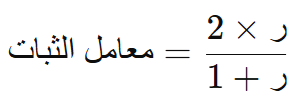
قام الباحثون بحساب معامل ثبات المقياس المستخدم في الاستبانة بطريقة التجزئة النصفية حيث تقوم هذه الطريقة علي أساس فصل إجابات أفراد عينة الدراسة علي العبارات ذات الأرقام الفردية عن إجاباتهم على العبارات ذات الأرقام الزوجية، ومن ثم يحسب معمل إرتباط بيرسون بين إجاباتهم على العبارات الفردية والزوجية وخيراً يحسب معامل الثبات وفق لمعادلة سبيرمان-براون بالصيغة الاتية:
لحساب صدق وثبات الاستبانة كما في أعلاه قام الباحثونون بأخذ عينة استطلاعية بحجم (15) فرداً من مجتمع الدراسة وتم حساب ثبات الاستبانة من العينة الاستطلاعية بموجب طريقة التجزئة النصفية وكانت النتائج كما في الجدول الآتي:
جدول (1): معامل ألفا كرونباخ لقياس ثبات وصدق أداة الدراسة
|
الفرضية |
معامل الثبات |
معامل الصدق الذاتي |
|
الفرضية |
0.64 |
0.80 |
المصدر: إعداد الباحثونون من الدراسة الميدانية، 2026م
يتضح من نتائج الجدول رقم (1) أن جميع معاملات الثبات والصدق لإجابات أفراد العينة الاستطلاعية على العبارات المتعلقة بكل متغير من متغيرات الدراسة، وعلى الاستبانة كاملاً كانت أكبر من (50%) والبعض منها قريبة جداً إلى (100%) مما يدل على أن استبانة الدراسة تتصف بالثبات والصدق الكبيرين جداً بما يحقق أغراض البحث، ويجعل التحليل الإحصائي سليماً ومقبولاً.
ثالثاً: الأساليب الإحصائية المستخدمة:
لتحقيق أهداف الدراسة وللتحقق من فرضيتها، تم استخدام الأساليب الإحصائية الآتية:
- التكرارات، والنسب المئوية للمتغيرات الديموغرافية (الخصائص الشخصية) ولعبارات الفرضيات.
- المتوسطات الحسابية لفقرات أداة الدراسة وهي صالحة للبيانات الكمية فقط، لذا تم استخدامه لترتيب الفقرات، حيث أن المقياس المستخدم هو مقياس ليكرت الخماسي.
- معامل الثبات الفا كرونباخ Alpha Cronbach) ) وذلك لقياس ثبات أداة الدراسة, والتحقق من أنها صالحة لقياس ما أعدت لقياسه.
- الإنحدار الخطي البسيط.
- الوسيط والإنحراف المعياري.
للحصول على نتائج دقيقة قدر الإمكان، تم استخدام البرنامج الإحصائي SPSS والذي يشير اختصاراً إلى الحزمة الإحصائية للعلوم الاجتماعية Statistical Package for Social Sciences، كما تمت الاستعانة بالبرنامج Excel لتنفيذ الأشكال البيانية المطلوبة في الدراسة.
رابعاً: تطبيق أداة الاستبيان:
لإجابة على تساؤلات الدراسة والتحقق من فرضيتها لجأ الباحثون بعد التأكد من ثبات وصدق الاستبانة إلى توزيعها على عينة الدراسة المقررة (50) فرداً، وقد تم تفريغ البيانات والمعلومات في الجداول التي أعدها الباحثونون لهذا الغرض، حيث تم تحويل المتغيرات الاسمية (أوافق بشدة، أوافق، محايد، لا أوافق، لا أوافق بشدة) إلى متغيرات كمية (5، 4، 3، 2، 1) على الترتيب وتم تفريغ البيانات في جداول.
رابعاً: تحليل البيانات الشخصية:
فيما يلي وصفاً مفصلاً لأفراد عينة الدراسة وفقاً للمتغيرات أعلاه (خصائص المبحوثين):
- الفئة العمرية:
يوضح الجدول رقم (2) التكرارات والنسب المئوية لأفراد عينة الدراسة وفق متغير الفئة العمرية.
جدول (2): التكرارات والنسب المئوية لأفراد عينة الدراسة وفق متغير الفئة العمرية
|
الفئة العمرية |
العدد |
النسبة المئوية |
|
أقل من 30 عاماً |
5 |
10% |
|
30 وأقل من 40 عاماً |
28 |
56% |
|
40 وأقل من 50 عاماً |
10 |
20% |
|
50 عاماً فأكثر |
7 |
14% |
|
المجموع |
50 |
100% |
المصدر: إعداد الباحثون من الدراسة الميدانية، 2026م
يتضح من خلال الجدول رقم (2) أن غالبية أفراد عينة الدراسة اعمارهم (40-30 سنة) حيث بلغ عددهم في عينة الدراسة (28) فرداً وبنسبة (56%)، ويليهم من هم (50-40 سنة) حيث بلغ عددهم في العينة (10) فرداً وبنسبة (20%)، وبلغ عدد الذين اعمارهم (أقل من 30 سنة) (5) أفراد بنسبة (10%)، وبلغ عدد الذين اعمارهم (أكثر من 50 سنة) (7) افراد بنسبة (14%).
يتضح للباحثون من جدول الفئة العمرية ان غالبية الاجابات كانت من من هم (40-30 سنة) بنسبة 56% مما يتناسب مع سنوات الخبرة التي كانت اغلبيتها أكثر من 7 وأقل من 10 سنوات مما يعني صحة البيانات.
- الجنس:
يوضح الجدول رقم (3) التكرارات والنسب المئوية لأفراد عينة الدراسة وفق متغير الجنس
جدول (3): التكرارات والنسب المئوية لأفراد عينة الدراسة وفق متغير الجنس
|
الجنس |
العدد |
النسبة المئوية |
|
ذكر |
24 |
48% |
|
انثي |
26 |
52% |
|
المجموع |
50 |
100% |
المصدر: إعداد الباحثون من الدراسة الميدانية، 2026م
يتبين من خلال الجدول رقم (3) أن غالبية أفراد عينة الدراسة هم (من الاناث) حيث بلغ عددهم في عينة الدراسة (26) فرداً وبنسبة (52%)، ويليهم من هم (من الذكور) وبلغ عددهم في العينة (24) فرداً وبنسبة (48%).
- الحالة الاجتماعية:
يوضح الجدول رقم (4) التكرارات والنسب المئوية لأفراد عينة الدراسة وفق متغير الحالة الاجتماعية.
جدول (4): التكرارات والنسب المئوية لأفراد عينة الدراسة وفق متغير الحالة الاجتماعية
|
الحالة الاجتماعية |
العدد |
النسبة المئوية |
|
متزوج |
31 |
52% |
|
أعزب |
19 |
39% |
|
المجموع |
50 |
100% |
المصدر: إعداد الباحثون من الدراسة الميدانية، 2026م
يتبين من خلال الجدول رقم (4) أن غالبية أفراد عينة الدراسة هم (متزوجين) حيث بلغ عددهم في عينة الدراسة (31) فرداً وبنسبة (62%)، ويليهم من هم (العزاب) وبلغ عددهم في العينة (19) فرداً وبنسبة (38%) .
يتضح للباحثونون من جدول الحالة الإجتماعية ان غالبية الاجابات كانت من المتزوجين بنسبة 62% مما يعني صحة البيانات.
- سنوات الخبرة:
يوضح الجدول رقم (5) التكرارات والنسب المئوية لأفراد عينة الدراسة وفق متغير سنوات الخبرة.
جدول (5): التوزيع التكراري لأفراد عينة الدراسة وفق متغير سنوات الخبرة
|
سنوات الخبرة |
العدد |
النسبة المئوية |
|
3 وأقل من 7 سنوات |
9 |
18% |
|
7 وأقل من 10 سنوات |
22 |
44% |
|
10 سنوات فأكثر |
19 |
38% |
|
المجموع |
50 |
100% |
المصدر: إعداد الباحثون من الدراسة الميدانية، 2026م
يتبين من الجدول رقم (5) أن هناك (22) فرداً وبنسبة (44%) لهم خبرة (من 7 وأقل من 10 سنوات)، وكان هنالك (19) فرداً وبنسبة (38%) من الذين لديهم خبرة (15 – 20 سنة)، وكان هنالك (9) أفراد وبنسبة (18%) من الذين لديهم خبرة (3 وأقل من 7).
يتضح للباحثون من جدول سنوات العمل أن غالبية الاجابات كانت من الذين كانت خبرتهم (7 وأقل من 10 سنوات) وبنسبة 44% يتماشي ذلك مع أعمارهم التي كانت (من 30 الى 40 عاماً) مما يعني صحة البيانات.
- المؤهل العلمي :
يوضح الجدول رقم (6) التكرارات والنسب المئوية لأفراد عينة الدراسة وفق متغير المؤهل العلمي.
جدول (6): التكرارات والنسب المئوية لأفراد عينة الدراسة وفق متغير المؤهل العلمي
|
المؤهل العلمي |
العدد |
النسبة المئوية |
|
ثانوي |
4 |
8% |
|
دبلوم وسيط |
5 |
10% |
|
جامعي |
22 |
44% |
|
دبلوم عالي |
10 |
20% |
|
أكثر من ذلك |
9 |
18% |
|
المجموع |
50 |
100% |
المصدر: إعداد الباحثون من الدراسة الميدانية، 2026م
يتبين من الجدول رقم (6) ، أن غالبية أفراد عينة الدراسة هم من حملة الشهادات الجامعية حيث بلغ عددهم (22) فرداً ويمثلون ما نسبته (44%) من العينة الكلية، وتضمنت العينة على (10) فرداً وبنسبة (20%) من حملة الدبلوم العالي، وتضمنت العينة على (9) أفراد وبنسبة (18%) من حملة شهادات فوق الجامعية، وتضمنت العينة (5) أفراد وبنسبة (10%) من الذين يحملون درجة دبلوم وسيط، وتضمنت العينة على (4) أفراد وبنسبة (8%) من حملة شهادة الثانوي.
يتضح للباحثون من جدول المؤهل العلمي ان غالبية الاجابات كانت من الحاصلين على شهادات جامعية بنسبة 44% مما يعني صحة البيانات.
6. المركز الوظيفي:
يوضح الجدول رقم (7) التكرارات والنسب المئوية لأفراد عينة الدراسة وفق متغير المركز الوظيفي.
جدول (7): التكرارات والنسب المئوية لأفراد عينة الدراسة وفق متغير المركز الوظيفي
|
المركز الوظيفي |
العدد |
النسبة المئوية |
|
موظف |
36 |
72% |
|
مدراء اقسام هندسية |
5 |
10% |
|
مدراء شئون إدارية |
7 |
14% |
|
مدراء شئون مالية |
2 |
4% |
|
المجموع |
50 |
100% |
المصدر: إعداد الباحثون من الدراسة الميدانية، 2026م
يتبين من الجدول رقم (7)، أن غالبية أفراد عينة الدراسة الذين يشغلون وظيفة موظف حيث بلغ عددهم (36) فرداً ويمثلون ما نسبته (72%) من العينة الكلية، وتضمنت العينة على (7) فرداً وبنسبة (14%) من الذين يشغلون مديراء شؤون إدارية، وتضمنت العينة (5) أفراد وبنسبة (10%) من الذين يشغلون يشغلون وظيفة مديراء شؤون هندسية، وكان هناك (2) فرد وبنسبة (4%) من الذين يشغلون وظيفة مديراء شؤون مالية.
يتضح للباحثون من جدول المركز الوظيفي ان غالبية الاجابات كانت من الموظفين بنسبة 72% مما يعني صحة البيانات.
ثالثاً: تحليل البيانات الأساسية:
1.المحور الأول: “ضغوط العمل الداخلية”.
جدول رقم (8): التكرارت والنسب المئوية لإجابات أفراد عينة الدراسة على عبارات المحور الأول
|
الرقم |
العبارات |
اوافق بشدة |
اوافق |
محايد |
لا اوافق |
لا اوافق بشدة |
|
1 |
الأعمال المكلف بها غير واضحة. |
12 24% |
12 24% |
4 8% |
16 32% |
6 12% |
|
2 |
ليس هنالك وقت للراحة أثناء الدوام. |
12 24% |
15 30% |
6 12% |
12 24% |
5 10% |
|
3 |
يطلب منى تنفيذ أعمال متعددة. |
8 16% |
27 54% |
4 8% |
8 16% |
3 6% |
|
4 |
يطلب منى تنفيذ أعمال متناقضة. |
7 14% |
17 34% |
8 16% |
11 22% |
7 14% |
|
5 |
يطلب منى تنفيذ أعمال لأكثر من رئيس. |
8 16% |
26 52% |
2 4% |
10 20% |
4 8% |
|
6 |
لا يتم تدريبي على الأجهزة والبرامج المتطورة لتسهيل عملي. |
12 24% |
17 34% |
6 12% |
10 20% |
5 10% |
|
7 |
أعاني من مشاكل عائلية بسبب دوامي الطويل. |
23 46% |
7 14% |
4 8% |
13 26% |
3 6% |
المصدر: اعداد الباحثون من الدراسة الميدانية، 2026م
يتبين من الجدول رقم (8) الآتي:
- في العبارة الاولى (12) فرداً في عينة الدراسة وبنسبة (24%) وافقوا بشدة على أن الأعمال المكلف بها غير واضحة، وإشترك معهم في النسبة والعدد الموافقين على ذلك، وكان هنالك (4) أفراد وبنسبة (8%) محايدين بخصوص ذلك، وكان هنالك (16) فرد وبنسبة (32%) غير موافقين على ذلك، وكان هنالك (6) أفراد وبنسبة (12%) غير موافقين بشدة على ذلك.
- في العبارة الثانية (12) فرداً في عينة الدراسة وبنسبة (24%) وافقوا بشدة على أنه ليس هنالك وقت للراحة أثناء الدوام، وإشترك معهم في النسبة والعدد الغير موافقين على ذلك، كما وافق (15) فرداً وبنسبة (30%) على ذلك، وكان هنالك (6) أفراد وبنسبة (12%) محايدين بخصوص ذلك، وكان هنالك (5) أفراد وبنسبة (10%) غير موافقين بشدة على ذلك.
- في العبارة الثالثة (8) أفراد في عينة الدراسة وبنسبة (16%) وافقوا بشدة على أنه يطلب منى تنفيذ أعمال متعددة، وإشترك معهم في النسبة والعدد الغير موافقين على ذلك، كما وافق (27) فرداً وبنسبة (54%) على ذلك، وكان هنالك (4) أفراد وبنسبة (8%) محايدين بخصوص ذلك، وكان هنالك (3) أفراد وبنسبة (6%) غير موافقين بشدة على ذلك.
- في العبارة الرابعة (7) أفراد في عينة الدراسة وبنسبة (14%) وافقوا بشدة على أنه يطلب منى تنفيذ أعمال متناقضة، وإشترك معهم في النسبة والعدد الغير موافقين بشدة على ذلك، كما وافق (17) فرداً وبنسبة (34%) على ذلك، وكان هنالك هنالك (8) أفراد وبنسبة (16%) محايدين بخصوص ذلك، وكان هنالك (11) فرداً وبنسبة (22%) غير موافقين على ذلك.
- العبارة الخامسة (8) أفراد في عينة الدراسة وبنسبة (16%) وافقوا بشدة على أنه يطلب منى تنفيذ أعمال لأكثر من رئيس، كما وافق (26) فرداً وبنسبة (52%) على ذلك، وكان هنالك (2) فرداً وبنسبة (4%) محايدين بخصوص ذلك، وكان هنالك (10) أفراد وبنسبة (20%) غير موافقين على ذلك، وكان هنالك (4) أفراد وبنسبة (8%)غير موافقين بشدة على ذلك.
- في العبارة السادسة (12) فرداً في عينة الدراسة وبنسبة (24%) وافقوا بشدة على أنه لا يتم تدريبي على الأجهزة والبرامج المتطورة لتسهيل عملي، كما وافق (17) فرداً وبنسبة (34%) على ذلك، وكان هنالك (6) افراد وبنسبة (12%) محايدين بخصوص ذلك، وكان هنالك (10) أفراد وبنسبة (20%) غير موافقين على ذلك، وكان هنالك (5) أفراد وبنسبة (10%)غير موافقين بشدة على ذلك.
- العبارة السابعة (23) فرداً في عينة الدراسة وبنسبة (46%) وافقوا بشدة على أنه أعاني من مشاكل عائلية بسبب دوامي الطويل، كما وافق (7) أفراد وبنسبة (14%) على ذلك، وكان هنالك (4) أفراد وبنسبة (8%) محايدين بخصوص ذلك، وكان هنالك (13) فرداً وبنسبة (26%) غير موافقين على ذلك، وكان هنالك (3) أفراد وبنسبة (6%) غير موافقين بشدة على ذلك.
يتضح للباحثون من الجدول (5/8) والخاص بالتوزيع التكراري لإجابات أفراد عينة الدراسة على عبارات المحور الاول ضغوط العمل الداخلية في هئية الموانئ البحرية (متغير تابع)، أن غالبية الإجابات كانت عن المستويين أوافق بشدة وأوافق.
للتحقق من صحة المحور الاول ينبغي معرفة اتجاه آراء عينة الدراسة بخصوص كل عبارة من العبارات المتعلقة بهذا المتغير بحساب الوسيط والانحراف المعياري لكل عبارة ومن ثم على العبارات مجتمعة وذلك كما يلي:
جدول (9): الوسيط لإجابات أفراد عينة الدراسة على عبارات المحور الأول
|
ت |
العبارات |
الوسيط |
الإنحراف المعياري |
التفسير |
|
1 |
الأعمال المكلف بها غير واضحة. |
3 |
1.42 |
محايد |
|
2 |
ليس هنالك وقت للراحة أثناء الدوام. |
4 |
1.35 |
أوافق |
|
3 |
يطلب منى تنفيذ أعمال متعددة. |
4 |
1.13 |
أوافق |
|
4 |
يطلب منى تنفيذ أعمال متناقضة. |
3 |
1.30 |
محايد |
|
5 |
يطلب منى تنفيذ أعمال لأكثر من رئيس. |
4 |
1.22 |
أوافق |
|
6 |
لا يتم تدريبي على الأجهزة والبرامج المتطورة لتسهيل عملي. |
4 |
1.33 |
أوافق |
|
7 |
أعاني من مشاكل عائلية بسبب دوامي الطويل. |
4 |
1.43 |
أوافق |
المصدر: إعداد الباحثون من بيانات الدراسة الميدانية، 2026م
يتبين للباحثون من الجدول (9) الآتي:
- أن الوسيط لغالبية لإجابات أفراد عينة الدراسة على عبارات المحور الاول (4) وهذا يعني أن غالبية أفراد عينة الدراسة موافقون على عبارات ضغوط العمل الداخلية في هئية الموانئ البحرية.
- كما تراوحت قيم الإنحراف المعياري على عبارات المحور بين (1.08-1.42) وهذه القيم تشير إلى التجانس الكبير في إجابات أفراد العينة على هذه الفقرات، أي أنهم متفقون بدرجة كبيرة جداً عليها.
3.المحور الثاني: “أداء العاملين”.
جدول (10): التكرارت والنسب المئوية لإجابات أفراد عينة الدراسة على عبارات المحور الثاني
|
الرقم |
العبارات |
اوافق بشدة |
اوافق |
محايد |
لا اوافق |
لا اوافق بشدة |
|
1 |
التزم بتنفيذ الواجبات والتعليمات المنظمة لعملي. |
14 28% |
26 52% |
6 12% |
4 8% |
0 0% |
|
2 |
أخطط جيداً لتحسين مستوى أدائي. |
12 24% |
23 46% |
10 20% |
5 10% |
0 0% |
|
3 |
أنفذ الاعمال المطلوبة بكفاءة. |
14 28% |
27 54% |
7 14% |
2 4% |
0 0% |
|
4 |
أنفذ الاعمال المطلوبة بفعالية. |
17 34% |
24 48% |
6 12% |
3 6% |
0 0% |
|
5 |
أواجه مشكلات تعيق أدائي الوظيفي. |
13 26% |
22 44% |
5 10% |
9 18% |
1 2% |
|
6 |
قادر على إنجاز الأعمال الموكلة لي. |
20 40% |
23 46% |
4 8% |
2 4% |
1 2% |
|
7 |
قادر على التعاون مع زملائي في العمل. |
26 52% |
16 32% |
4 8% |
1 2% |
3 6% |
|
الإجمالي |
33% |
46% |
12% |
7% |
10% |
المصدر: اعداد الباحثون من الدراسة الميدانية، 2026م
يتبين من الجدول رقم (10) أن الموافقين على عبارات المحور بلغت نسبتهم (79%)، حيث يتضح أن غالبية الاجابات كانت الموافقون على عبارات المحور.
للتحقق من صحة المحور الثاني ينبغي معرفة اتجاه آراء عينة الدراسة بخصوص كل عبارة من العبارات المتعلقة بهذا المتغير بحساب الوسيط والانحراف المعياري لكل عبارة ومن ثم على العبارات مجتمعة وذلك كما يلي:
جدول (11): الوسيط لإجابات أفراد عينة الدراسة على عبارات المحور الثاني
|
ت |
العبارات |
الوسيط |
الإنحراف المعياري |
التفسير |
|
1 |
التزم بتنفيذ الواجبات والتعليمات المنظمة لعملي. |
4 |
0.86 |
أوافق |
|
2 |
أخطط جيداً لتحسين مستوى أدائي. |
4 |
0.91 |
أوافق |
|
3 |
أنفذ الاعمال المطلوبة بكفاءة. |
4 |
0.77 |
أوافق |
|
4 |
أنفذ الاعمال المطلوبة بفعالية. |
4 |
0.84 |
أوافق |
|
5 |
أواجه مشكلات تعيق أدائي الوظيفي. |
4 |
1.10 |
أوافق |
|
6 |
قاد على إنجاز الأعمال الموكلة لي. |
4 |
0.90 |
أوافق |
|
7 |
قادر على التعاون مع زملائي في العمل. |
5 |
1.09 |
أوافق بشدة |
المصدر: إعداد الباحثون من بيانات الدراسة الميدانية، 2026م
يتبين للباحثون من الجدول (11) الآتي:
- أن الوسيط لكل إجابات أفراد عينة الدراسة على عبارات المحور الثاني (3) وهذا يعني أن غالبية أفراد عينة الدراسة موافقين على عبارات أداء العاملين في هئية الموانئ البحرية.
- كما تراوحت قيم الإنحراف المعياري على عبارات المحور بين ( 0.77- 1.10) وهذه القيم تشير إلى التجانس الكبير في إجابات أفراد العينة على هذه الفقرات، أي أنهم متفقون بدرجة كبيرة جداً عليها.
رابعاً: اختبار الفرضية:
للاجابة على تساؤلات الدراسة والتحقق من فرضيتها سيتم حساب الوسيط لكل عبارة من عبارات الاستبيان والتي تبين آراء عينة الدراسة حول دور ضغوط العمل في أداء العاملين، وذلك على النحو التالي:
عرض ومناقشة نتائج الفرضية:
تنص الفرضية الأولى من فرضيات الدراسة على الآتي:
“توجد علاقة ذات دلالة احصائية بين ضغوط العمل الداخلية وأداء العاملين بهئية المواني البحرية“.
للتأكد من صحة الفرضية سيتم استخدام أسلوب الإنحدار الخطي البسيط في بناء النموذج حيث أن وضغوط العمل الداخلية بهئية الموانئ البحرية كمتغير تابع ممثل بـ() أداء العاملين بهئية الموانئ البحرية كمتغير مستقل ممثل بـ() وذلك كما في الجدول الآتي:
جدول (12): نتائج تحليل الإنحدار الخطي البسيط لقياس العلاقة بين ضغوط العمل الداخلية وأداء العاملين بهئية المواني البحرية
|
معاملات الإنحدار |
أختبار (t) |
القيمة الاحتماليةSig)) |
التفسير |
|
|
10.502 |
7.317 |
0.000 |
معنوية |
|
|
1.121 |
42.739 |
0.000 |
معنوية |
|
|
معامل الارتباط () |
0.95 |
|||
|
معامل التحديد () |
0.91 |
|||
|
إختبار () |
826.645 |
النموذج معنوي |
||
|
= 1.601 + 0.576 |
||||
المصدر: إعداد الباحثون من بيانات الدراسة الميدانية 2026م.
يتضح للباحثون من الجدول (12) الآتي:
- أظهرت نتائج التقدير وجود ارتباط طردي قوي بين أداء العاملين بهئية المواني البحرية مستقل وضغوط العمل الداخلية كمتغير تابع، حيث بلغت قيم معامل الارتباط البسيط (0.95).
- بلغت قيمة معامل التحديد () (0.91)، هذه القيمة تدل على أن أداء العاملين مستقل تساهم بـ (91%) في ضغوط العمل الداخلية (المتغير التابع).
- نموذج الإنحدار البسيط معنوي حيث بلغت قيمة أختبار ((F (826.645) وهي دالة عن مستوى دلالة (0.000).
- 10.502: متوسط أداء العاملين عندما يكون ضغوط العمل الداخلية صفراً.
- 1.121: وتعني زيادة أداء العاملين وحدة واحدة يزداد ضغوط العمل الداخلية بـ112%.
مما تقدم يستنتج الباحثون أن فرضية الدراسة الأولى والتي نصت على أن: “توجد علاقة ذات دلالة احصائية بين ضغوط العمل الداخليةإوأداء العاملين بهئية المواني البحرية” قد تحققت.
الخاتمة:
أولاً: النتائج:
من خلال الدراسة النظرية والدراسة الميدانية توصلت الدراسة إلى النتائج التالية:
- وجود علاقة ذات دلالة إحصائية بين ضغوط العمل الداخلية والأداء.
- عدم وضوح معايير تقييم الأداء يسبب توتراً مستمراً للعاملين.
- ضعف التواصل الإداري يؤدي إلى زيادة الأخطاء وسوء الفهم.
- كلما زادت ضغوط العمل انخفض مستوى الكفاءة والفعالية في الأداء.
- ضعف المشاركة في اتخاذ القرارات يزيد من الإحساس بالتهميش الوظيفي.
- الضغط الناتج عن استخدام التكنولوجيا دون دعم فني كافٍ يؤثر على الإنتاجية.
- انخفاض الحوافز المعنوية يقلل من روح المبادرة لدى العاملين.
- إن غياب العدالة في توزيع الأعباء يزيد من شعور العاملين بالضغط.
ثانياً: التوصيات:
بناءً على نتائج الدراسة توصي الدراسة بالآتي:
- توفير برامج تدريبية مستمرة على التقنيات الحديثة.
- تبني سياسات إدارية تقلل من ضغوط العمل الداخلية.
- توفير بيئة عمل تساعد على الإنجاز والإبداع.
- مراعاة الظروف الاقتصادية عند وضع سياسات الأجور.
- إشراك العاملين في اتخاذ القرارات المتعلقة بعملهم
- تعزيز الحوافز المعنوية مثل التقدير والثناء.
- تحسين قنوات الاتصال بين الإدارة والعاملين.
- تعزيز العمل الجماعي وروح الفريق.
قائمة المراجع:
أولاً: المراجع باللغة العربية:
البدوي، أحمد حسن. (2023). التجارة الدولية والنقل البحري. عمان: دار اليازوري.
Al-Badawi, A. H. (2023). International Trade and Maritime Transport. Amman: Dar Al-Yazouri.
برهم، جلال يوسف. (2006). ضغوط العمل وأثرها على أداء العاملين: دراسة ميدانية في شركة الاتصالات الأردنية [رسالة ماجستير، جامعة آل البيت، كلية إدارة المال والأعمال]. عمان.
Barham, J. Y. (2006). Work Stress and Its Impact on Employee Performance: A Field Study in a Jordanian Telecommunications Company [Master’s thesis, Al al-Bayt University, Faculty of Finance and Business Administration]. Amman.
بكور، محمد عبد الجبار. (2022). أثر ضغوط العمل على الأداء الوظيفي للموارد البشرية العاملة في شركات النقل الخاصة في سورية: دراسة عملية في الشركة الأهلية للنقل [رسالة ماجستير، الجامعة الافتراضية السورية، كلية إدارة الأعمال]. دمشق.
Bakkour, M. A. J. (2022). The Impact of Work Stress on the Job Performance of Human Resources Working in Private Transport Companies in Syria: An Applied Study at Al-Ahlia Transport Company [Master’s thesis, Syrian Virtual University, Faculty of Business Administration]. Damascus.
تاويرت، نور الدين. (2006). قياس الفاعلية التنظيمية من خلال التقييم التنظيمي: مساهمة في بناء نموذج متكامل للتقييم التنظيمي [رسالة دكتوراه، جامعة منتوري، كلية العلوم الإنسانية والعلوم الاجتماعية]. الجزائر.
Tawert, N. (2006). Measuring Organizational Effectiveness through Organizational Evaluation: A Contribution to Building an Integrated Model for Organizational Evaluation [Doctoral dissertation, Mentouri University, Faculty of Humanities and Social Sciences]. Algeria.
حريم، حسين. (1997). السلوك التنظيمي: سلوك الأفراد في المنظمات. عمان: دار زهران للنشر والتوزيع.
Harim, H. (1997). Organizational Behavior: Individual Behavior in Organizations. Amman: Dar Zahran for Publishing and Distribution.
حسين، رحيم، وعبد الفتاح، علاوي. (2013). أثر أبعاد التغيير التنظيمي على أداء العاملين: دراسة حالة شركة سونلغاز وحدة الأغواط. مجلة رؤى اقتصادية، (5). جامعة الوادي، كلية العلوم الاقتصادية والتجارية وعلوم التسيير، الجزائر.
Hussein, R., & Abdel Fattah, A. (2013). The impact of organizational change dimensions on employee performance: A case study of Sonelgaz Company, Laghouat Unit. Journal of Economic Visions, (5). University of El Oued, Faculty of Economic, Commercial and Management Sciences, Algeria.
الخناق، سناء عبد الكريم. (2005). مظاهر الأداء الاستراتيجي والميزة التنافسية. في المؤتمر الدولي حول الأداء المتميز للمنظمات والحكومات، قسم علوم التسيير، جامعة ورقلة، الجزائر، 8–9 مارس.
Al-Khanaq, S. A. K. (2005). Aspects of strategic performance and competitive advantage. In International Conference on Distinguished Performance of Organizations and Governments, Department of Management Sciences, University of Ouargla, Algeria, March 8–9.
الداوي، الشيخ. (2010). تحليل نظري لمفهوم الأداء. مجلة الباحث، (7). جامعة ورقلة، كلية العلوم الاقتصادية والتجارية وعلوم التسيير، الجزائر.
Al-Dawi, A. (2010). A theoretical analysis of the concept of performance. Al-Bahith Journal, (7). University of Ouargla, Faculty of Economic, Commercial and Management Sciences, Algeria.
درة، عبد الباري إبراهيم، والصباغ، زهير. (2008). إدارة الموارد البشرية في القرن الحادي والعشرين. عمان: دار وائل للنشر والتوزيع.
Durrah, A. B. I., & Al-Sabbagh, Z. (2008). Human Resource Management in the Twenty-First Century. Amman: Dar Wael for Publishing and Distribution.
رحيمة، سلمى حتيتة. (2012). دور مهارات القيادة الاستراتيجية في التهيؤ لضغوط العمل: دراسة تحليلية لآراء عينة من القادة العسكريين. مجلة جامعة الأنبار للعلوم الاقتصادية والإدارية، 4(9). جامعة الأنبار، كلية الإدارة والاقتصاد، بغداد.
Rahima, S. H. (2012). The role of strategic leadership skills in preparing for work stress: An analytical study of the opinions of a sample of military leaders. Anbar University Journal of Economic and Administrative Sciences, 4(9). University of Anbar, College of Administration and Economics, Baghdad.
رشيد، بلال كامل، وحمدنا الله، مرتضى طلحة. (2018). أثر استراتيجية إدارة الموارد البشرية على أداء العاملين: دراسة تطبيقية على الكليات الأهلية بالعراق. مجلة الدراسات العليا، 11(43). جامعة النيلين، كلية الدراسات العليا، الخرطوم.
Rasheed, B. K., & Hamadna Allah, M. T. (2018). The impact of human resource management strategy on employee performance: An applied study on private colleges in Iraq. Journal of Graduate Studies, 11(43). Al-Neelain University, Graduate College, Khartoum.
رشيد، ميسون عبد الكريم محمد. (2018). مهارات المدراء وأثرها في تقليل ضغوط العمل. مجلة العلوم الاقتصادية والإدارية والقانونية، 2(8). المركز القومي للبحوث، غزة.
Rasheed, M. A. K. M. (2018). Managers’ skills and their impact on reducing work stress. Journal of Economic, Administrative and Legal Sciences, 2(8). National Research Center, Gaza.
رضوان، أحمد جمال غزالي حسن. (2016). أثر الولاء التنظيمي على أداء العاملين: دراسة تطبيقية على بعض المنظمات المصرية [رسالة ماجستير، جامعة بنها، كلية التجارة]. بنها.
Radwan, A. J. G. H. (2016). The Impact of Organizational Loyalty on Employee Performance: An Applied Study on Some Egyptian Organizations [Master’s thesis, Benha University, Faculty of Commerce]. Benha.
السالم، مؤيد سعيد، وصالح، عادل حرحوش. (2009). إدارة الموارد البشرية: مدخل استراتيجي. عمان: عالم الكتب الحديث.
Al-Salem, M. S., & Saleh, A. H. (2009). Human Resource Management: A Strategic Approach. Amman: Modern World of Books.
سلطان، محمد سعيد. (2003). إدارة الموارد البشرية. الإسكندرية: دار الجامعة الجديدة.
Sultan, M. S. (2003). Human Resource Management. Alexandria: Dar Al-Jami‘a Al-Jadida.
السلمي، علي. (2013). إدارة الموارد البشرية. القاهرة: دار غريب.
Al-Selmi, A. (2013). Human Resource Management. Cairo: Dar Gharib.
سميع، زيد صالح. (2011). أثر الثقافة التنظيمية على الأداء الوظيفي: دراسة تطبيقية على القطاع المصرفي في الجمهورية اليمنية [رسالة ماجستير، جامعة حلوان، كلية التجارة]. حلوان.
Samee, Z. S. (2011). The Impact of Organizational Culture on Job Performance: An Applied Study on the Banking Sector in the Republic of Yemen [Master’s thesis, Helwan University, Faculty of Commerce]. Helwan.
الشرشحاوي، رحيم حاتم حسين. (2010). العلاقة بين آليات الحاكمية وأداء المستشفى الخاص: دراسة تطبيقية في المستشفيات العراقية الأهلية [بحث دبلوم عالٍ، جامعة بغداد، كلية الإدارة والاقتصاد]. بغداد.
Al-Sharshahawi, R. H. H. (2010). The Relationship between Governance Mechanisms and Private Hospital Performance: An Applied Study in Iraqi Private Hospitals [Higher diploma research, University of Baghdad, College of Administration and Economics]. Baghdad.
ضيف، أحمد، وآخرون. (2009). ضغوط العمل لدى أعضاء الهيئة الإدارية والأكاديمية بجامعة بسكرة: مصادرها وعلاقتها ببعض المتغيرات الشخصية والوظيفية. مجلة الاقتصاد والعلوم الإدارية، 25(110). جامعة بغداد، كلية التجارة، بغداد.
Daif, A., et al. (2009). Work stress among administrative and academic staff at the University of Biskra: Its sources and relationship with some personal and job variables. Journal of Economics and Administrative Sciences, 25(110). University of Baghdad, College of Commerce, Baghdad.
الطراونة، محمد. (2012). السلوك التنظيمي. عمان: دار المسيرة.
Al-Tarawneh, M. (2012). Organizational Behavior. Amman: Dar Al-Masirah.
عبد القادر، حذيفة الوليد حسن. (2014). دور نظم المعلومات في مراقبة وقياس أداء العاملين [رسالة ماجستير غير منشورة، جامعة أم درمان الإسلامية، معهد بحوث ودراسات العالم الإسلامي]. الخرطوم.
Abdel Qader, H. A. H. (2014). The Role of Information Systems in Monitoring and Measuring Employee Performance [Unpublished master’s thesis, Omdurman Islamic University, Institute of Research and Studies of the Islamic World]. Khartoum.
عطا الله، حسين. (2014). ضغوط العمل على الأستاذ الجامعي: دراسة تطبيقية على عينة من أساتذة الجامعات في بغداد. مجلة الأنبار للعلوم الاقتصادية والإدارية، 6(11). جامعة الأنبار، المعهد التقني، بغداد.
Attallah, H. (2014). Work stress among university professors: An applied study on a sample of university professors in Baghdad. Anbar Journal of Economic and Administrative Sciences, 6(11). University of Anbar, Technical Institute, Baghdad.
العلاق، بشير. (1998). أسس الإدارة الحديثة. عمان: دار اليازوري العلمية.
Al-Alaq, B. (1998). Foundations of Modern Management. Amman: Dar Al-Yazouri Scientific Publishing.
العميان، محمود سلمان. (2010). السلوك التنظيمي في منظمات الأعمال. عمان: دار وائل.
Al-Omyan, M. S. (2010). Organizational Behavior in Business Organizations. Amman: Dar Wael.
الفريجات، خضير كاظم، وآخرون. (2009). السلوك التنظيمي: مفاهيم معاصرة. عمان: دار إثراء للنشر والتوزيع.
Al-Freijat, K. K., et al. (2009). Organizational Behavior: Contemporary Concepts. Amman: Dar Ithraa for Publishing and Distribution.
فضل المولى، أشرف دفع الله نور الله. (2018). أثر الثقافة التنظيمية في أداء العاملين: دراسة حالة الشركة السودانية لتوزيع الكهرباء المحدودة، 2007–2017م [رسالة دكتوراه غير منشورة، جامعة أم درمان الإسلامية، كلية الدراسات العليا]. الخرطوم.
Fadl Al-Mawla, A. D. N. (2018). The Impact of Organizational Culture on Employee Performance: A Case Study of the Sudanese Electricity Distribution Company Ltd., 2007–2017 [Unpublished doctoral dissertation, Omdurman Islamic University, Graduate College]. Khartoum.
كاظم، هديل سعيد. (2017). الدور الوسيط لإدارة الذات في العلاقة بين ضغوط العمل والاغتراب التنظيمي: بحث ميداني في بعض كليات جامعة بغداد. مجلة العلوم الاقتصادية والإدارية، 24(106). جامعة بغداد، كلية الإدارة والاقتصاد، بغداد.
Kazim, H. S. (2017). The mediating role of self-management in the relationship between work stress and organizational alienation: A field study in some colleges of the University of Baghdad. Journal of Economic and Administrative Sciences, 24(106). University of Baghdad, College of Administration and Economics, Baghdad.
الكبيسي، موفق محمد. (2004). ضغوط العمل وتأثيرها على الأداء الوظيفي: دراسة ميدانية في قطاع البنوك القطرية. المجلة العلمية للبحوث والدراسات التجارية، (1). جامعة حلوان، كلية التجارة وإدارة الأعمال، حلوان.
Al-Kubaisi, M. M. (2004). Work stress and its impact on job performance: A field study in the Qatari banking sector. Scientific Journal of Business Research and Studies, (1). Helwan University, Faculty of Commerce and Business Administration, Helwan.
ماهر، أحمد. (2006). إدارة الموارد البشرية. الإسكندرية: الدار الجامعية للطباعة والنشر.
Maher, A. (2006). Human Resource Management. Alexandria: University House for Printing and Publishing.
مصطفى، شاويش. (2011). إدارة الموارد البشرية: إدارة الأفراد. القاهرة: دار الشروق للنشر والتوزيع.
Mustafa, S. (2011). Human Resource Management: Personnel Management. Cairo: Dar Al-Shorouk for Publishing and Distribution.
منصور، أحمد منصور. (1996). القوى العاملة: تخطيط وظائفها وتقييم أدائها. القاهرة: مكتبة غريب.
Mansour, A. M. (1996). The Workforce: Job Planning and Performance Evaluation. Cairo: Gharib Library.
النايف، أحمد نافع طه. (2018). أثر ضغوط العمل على اتخاذ القرارات: دراسة ميدانية في الإدارة التربوية بمحافظة الأنبار/جمهورية العراق، 2004–2017م [رسالة دكتوراه، جامعة النيلين، كلية الدراسات العليا]. الخرطوم.
Al-Nayef, A. N. T. (2018). The Impact of Work Stress on Decision-Making: A Field Study in Educational Administration in Anbar Governorate, Republic of Iraq, 2004–2017 [Doctoral dissertation, Al-Neelain University, Graduate College]. Khartoum.
النعيمي، صباح عبد الوهاب عبد الرازق. (2007). تقنيات إدارة الكلفة الاستراتيجية ودورها في تنفيذ وتقويم الاستراتيجيات الوظيفية في بيئة الأعمال المعاصرة: دراسة تطبيقية في الشركات العامة لصناعة الزيوت النباتية [رسالة دكتوراه غير منشورة، جامعة بغداد، كلية الإدارة والاقتصاد]. بغداد.
Al-Nuaimi, S. A. W. A. (2007). Strategic Cost Management Techniques and Their Role in Implementing and Evaluating Functional Strategies in the Contemporary Business Environment: An Applied Study in Public Companies for the Vegetable Oil Industry [Unpublished doctoral dissertation, University of Baghdad, College of Administration and Economics]. Baghdad.
الهنداوي، وفية أحمد. (1994). استراتيجيات التعامل مع ضغوط العمل الإداري في القطاع الصحي. مجلة الإدارة العامة، (58). معهد الإدارة العامة، مسقط.
Al-Hindawi, W. A. (1994). Strategies for dealing with administrative work stress in the health sector. Public Administration Journal, (58). Institute of Public Administration, Muscat.
والي، عدنان ماشي. (2011). مواجهة ضغوط العمل بالمنظورين الإسلامي والحديث. كربلاء: مكتبة العتبة العباسية المقدسة.
Wali, A. M. (2011). Coping with Work Stress from Islamic and Modern Perspectives. Karbala: Library of the Holy Abbasid Shrine.
ياسين، سعد الغالبي. (1998). الإدارة الاستراتيجية. عمان: دار اليازوري للطباعة والنشر.
Yassin, S. Al-Ghalbi. (1998). Strategic Management. Amman: Dar Al-Yazouri for Printing and Publishing.
يوسف، جمعة سيد. (2007). إدارة الضغوط. القاهرة: مركز تطوير الدراسات العليا والبحوث في العلوم الهندسية، جامعة القاهرة.
Youssef, J. S. (2007). Stress Management. Cairo: Center for Advancement of Postgraduate Studies and Research in Engineering Sciences, Cairo University.
المراجع الأجنبية:
- Dessler, G. (2015), Human Resource Management, Pearson.
Dollard, Maureen (2001), Work Stress: Theory and Interventions: From Evidance to Policy, University of South Australia, NOH SC Symposium on the OHS Implications of Stress, Australia.
Gibson, J.L., et. al. (2003), Organization: Behavior, Structure, Processes, McGraw-Hill Co.Inc.
- Greenberg, J. (2011), Behavior in Organizations, Pearson.
Joanna, L. Y., et.al. (2009), How Changes in Compensation Plans Affect Employee Performance, Recruitment, and Retention: An Empirical Study of A Car Dealership. Contemporary Accounting Research, Vol. 26. No. 1.
Kazmi, Rubina, et al. (2008), Occupational stress and its effect on job performance, A Case Study of Medical House Officers of District Abbottabad, Journal of Aub Medical College Abbottabad, Vol. 20, No. 3I, COMSATS University, Islamabad.
Kirkpoatrick, Donald I. (2006), Improving Employee Performance Through Appraisal and Coaching, Second Edition, American Management Association, New York, United State of America. www.Amacombooks.org.
Noe, Raymond A., et.al. (1994), Human Resource Managemnt: Gaining a Comeitive Advantage, Irwin Inc., USA.
- Robbins, S. P., & Judge, T. A. (2017), Organizational Behavior, Pearson.
Youg, David (2009), A study of Job Stress Among University Staff in Malsysia, European Journal of Social Sciences, Vol. 8, No. 1, Published by UK EPC Ltd, England.
 English
  Arabic