Digital Sociolinguistics: Analyzing Code-Switching Behaviors among Multilingual Users on Social Media Platforms
اللسانيات الاجتماعية الرقمية: تحليل سلوكيات التناوب اللغوي لدى المستخدمين متعددي اللغات على منصات التواصل الاجتماعي
Lec. Saad Sameer Dhari1
1 Al Iraqia University, Iraq.
Email: saad.sameer84@gmail.com
DOI: https://doi.org/10.53796/hnsj76/7
Arabic Scientific Research Identifier: https://arsri.org/10000/76/7
Volume (7) Issue (6). Pages: 97 - 111
Received at: 2026-05-10 | Accepted at: 2026-05-15 | Published at: 2026-06-01
Abstract: The swift expansion of social media platforms has resulted in novel modes of language use, especially within multilingual exchanges. A notable phenomenon found among users on these platforms is code-switching, when individuals alternate between two or more languages within a single chat or post. This study seeks to investigate the code-switching behaviours of multilingual users on prominent social media platforms, including Instagram and TikTok. The research examines the linguistic categories of code-switching (inter-sentential, intra-sentential, and tag-switching), the social and cultural determinants affecting these behaviours, and the communication purposes they fulfil. The research utilised content analysis of multilingual posts and comments, concentrating on the examination of code-switching tendencies in user interactions. The results indicate that intra-sentential switching is the predominant kind, succeeded by inter-sentential switching, whereas tag-switching occurs less frequently. Principal elements affecting code-switching are the user's cultural identification, the desired communicative objective, and the audience being addressed. Code-switching serves several social roles, including the expression of cultural identity, the facilitation of communication, and the differentiation of social or educational rank. This study enhances the expanding domain of digital sociolinguistics by emphasising the evolving function of language on social media platforms. It illustrates that code-switching functions not just as a linguistic instrument but also as a strategic communication approach, influenced by social, cultural, and environmental elements. The paper closes with recommendations for more research and for practitioners seeking to interact with multilingual online audiences effectively.
Keywords: Code-switching, Digital sociolinguistics, Multilingual users, Social media platforms, Cultural identity, Communication strategies.
المستخلص: أدى التوسع السريع في منصات التواصل الاجتماعي إلى ظهور أنماط جديدة لاستخدام اللغة، ولا سيما في سياق التفاعلات متعددة اللغات. وتُعد ظاهرة التناوب اللغوي من أبرز الظواهر الشائعة بين مستخدمي هذه المنصات، حيث ينتقل الأفراد بين لغتين أو أكثر داخل المحادثة الواحدة أو المنشور الواحد. وتسعى هذه الدراسة إلى بحث سلوكيات التناوب اللغوي لدى المستخدمين متعددي اللغات على منصات التواصل الاجتماعي البارزة، ومنها إنستغرام وتيك توك. وتتناول الدراسة الأنواع اللغوية للتناوب اللغوي، وهي: التناوب بين الجمل، والتناوب داخل الجملة، والتناوب بإدراج العبارات أو الوسوم اللغوية، إضافة إلى العوامل الاجتماعية والثقافية المؤثرة في هذه السلوكيات، والأغراض التواصلية التي تحققها. اعتمدت الدراسة على تحليل محتوى المنشورات والتعليقات متعددة اللغات، مع التركيز على دراسة أنماط التناوب اللغوي في تفاعلات المستخدمين. وأظهرت النتائج أن التناوب داخل الجملة هو النوع الأكثر شيوعًا، يليه التناوب بين الجمل، في حين كان التناوب بإدراج العبارات أو الوسوم اللغوية أقل تكرارًا. كما بينت النتائج أن أبرز العوامل المؤثرة في التناوب اللغوي تتمثل في الهوية الثقافية للمستخدم، والهدف التواصلي المقصود، والجمهور المخاطَب. ويؤدي التناوب اللغوي عدة وظائف اجتماعية، منها التعبير عن الهوية الثقافية، وتيسير التواصل، والتمييز بين المكانة الاجتماعية أو التعليمية. وتسهم هذه الدراسة في إثراء المجال المتنامي للسانيات الاجتماعية الرقمية من خلال إبراز الوظيفة المتغيرة للغة على منصات التواصل الاجتماعي. كما توضح أن التناوب اللغوي لا يعمل بوصفه أداة لغوية فحسب، بل يمثل أيضًا استراتيجية تواصلية مقصودة تتأثر بعوامل اجتماعية وثقافية وسياقية. وتختتم الدراسة بتقديم توصيات لإجراء مزيد من البحوث، وللممارسين الراغبين في التفاعل بفاعلية مع الجماهير متعددة اللغات عبر الإنترنت.
الكلمات المفتاحية: التناوب اللغوي، اللسانيات الاجتماعية الرقمية، المستخدمون متعددو اللغات، منصات التواصل الاجتماعي، الهوية الثقافية، استراتيجيات التواصل.
Introduction
In the context of Iraqi EFL learners, code-switching denotes the alternation between Arabic and English within a single conversation or social media post on sites such as Instagram and TikTok. The abundance of bilingual and multilingual users on social media offers a valuable backdrop for examining how individuals integrate languages to communicate successfully across cultures and identities. As the global economy becomes increasingly driven by English, Iraqi EFL learners unwillingly mix their L1 (Arabic) with the TL (English) when they communicate with one another on the Internet.
The advent of social media has radically altered the linguistic practices, particularly in multilingual settings. Code-switching one of those things that happens often in digital communication when people switch between two or more languages or dialects in the same conversation. The technique, although common in sociolinguistics, has taken on an added importance in the age of digital communication, when people may toggle back and forth between multiple languages to express ideas that are more nuanced than mere syntax or grammar — complicated cultural identity, social status and more. The number of code-switching instances on major social media platforms, including Instagram, TikTok, and Twitter, interestingly contributes to this shift of patterns of language use in the digital era. This research aims to investigate the code-switching habits of multilingual social media users with focus on the social, cultural and linguistic factors that motivate these practices and the effects on digital interactions.
This introduction introduces the theoretical principles of digital sociolinguistics, the understanding of code-switching, as well as the related motivations. It also makes clear that code-switching in social media is an arena in which language usage is constrained by multiple social, audience and platform-specific factors.
1.1 Theoretical Framework: Digital Sociolinguistics and Code-Switching
Digital sociolinguistics is a relatively new field of study that examines how individuals’ use of digital platforms affects their language skills. According to Androtsopoulos (2014), this field examines how online communication and social media influence linguistic and cultural diversity. By enabling users to communicate in multiple languages simultaneously, social media has improved the quality of human interaction.
The sociology of language is based on the idea that language is a flexible tool that changes depending on the situation. The same is true for computers. Code-switching, a fundamental concept in digital sociolinguistics, occurs when a person switches between two or more languages or dialects in the same conversation or even in the same sentence. Gompers (1982), one of the first researchers in this area, defines code-switching as a way bilingual or multilingual people communicate with each other to achieve certain goals. People view code-switching as a way to transform their identity, relate to others, and achieve different social goals. People from all over the world may speak in a variety of languages in digital spaces, making them ideal for appreciating multiculturalism. People use code-switching on social media to communicate with others who speak many languages, express their cultural backgrounds, and address communal problems. The complexity of this phenomenon on social media underscores the need to understand contemporary language use.
Bucholtz and Hall (2004) emphasize that code-switching is not only a way of communicating with people, but also a way of situating oneself in different social and cultural situations.
1.2 Linguistic Utilisation in social media: A Digital Linguistic Terrain
Sociocultural factors such as identity, audience, and language proficiency influence the decision to switch languages. Bucholtz and Hall (2004) argue that language switching allows bilinguals to express their identity, especially in digital contexts with regular linguistic interaction. This is especially important for Iraqi English as a Foreign Language (EFL) learners, who constantly switch between local cultural norms (Arabic) and global standards (English).
The rise of social media has transformed language use. Instagram, TikTok, and Twitter have created virtual environments where people can express their opinions and identities through diverse linguistic forms. The digital revolution has led to the establishment of new linguistic standards, particularly the increased use of language switching. In digital environments, users might alternate between languages to connect with certain communities, forge hybrid identities, or augment the expressiveness of their speech.
Seargeant (2010) posits that social media enables novel forms of communication, allowing individuals to construct their linguistic identity instantaneously. The interactions on these platforms are characterised by fluidity and immediacy, allowing users to transition between various language and cultural registers swiftly. Thus, social media serves as a platform for linguistic experimentation and innovation, facilitating the dynamic utilisation of different languages to achieve certain communication objectives.
Social media significantly contributes to the preservation and proliferation of multilingualism. In several regions globally, individuals utilise various languages in their everyday routines, and social media functions as a medium that facilitates effortless transitions between different languages in their online communications. A TikTok user may alternate between English, Spanish, and their native tongue based on the context of the message and the target audience. Hence, illustrates the worldwide character of social media and the growing significance of code-switching in digital discourse.
1.3 The Roles of Code-Switching in social media
Code-switching in social media communication fulfils several roles. These functions are influenced by language and societal influences. The principal purposes of code-switching on social media may be delineated as follows:
1. Identity Expression: Code-switching enables individuals to articulate their cultural, ethnic, or social identities. Language shifting enables individuals to identify with particular cultural or linguistic categories, according to Bucholtz and Hall (2004), who also state that language use is intricately related to the formation of identities. For bilingual people, language switching on social media can signal affinity with different communities or alignment with certain ideals.
2. Audience Interaction: Interacting with a wide variety of audiences is made possible by switching between languages. Individuals of different languages and cultures are brought together via the use of social media technologies. By switching languages, people can interact with different audiences simultaneously, increasing the reach of their posts. Milroy and Muisken (1995) argue that multilingual people intentionally use language switching to adapt their language based on anticipated characteristics of their target audience, such as language choices or cultural expectations.
3. Emphasis and Clarification: Language switching can be used to highlight certain themes or increase the importance of a message. When a concept or phrase is more suitable in one language than another, individuals may engage in code-switching to enhance transparency or better communicate their point of view.. The purpose of this feature is similar to the idea of code-switching, where users alternate between languages within phrases or sentences to emphasize particular themes.
4. Humour and Spontaneity: In digital communication, humour is essential for connecting with people. Code-switching can inspire an informal tone, typically associated with humor, wit, or sarcasm. It allows users to express their emotions and develop a spontaneous and entertaining conversational style that connects with their target audience. This is particularly evident in the imaginative and innovative use of code-switching on platforms like TikTok and Instagram.
1.4 Research Questions
This research seeks to answer several fundamental questions about code-switching habits on social media:What sorts of code-switching behaviours are seen among Iraqi EFL learners on social media platforms?
- What sociocultural variables affect the prevalence of code-switching between Arabic and English among Iraqi learners?
- What social roles does code-switching fulfil in online communication among Iraqi EFL learners?
1.5 Aims of the Study
The principal aims of this research are:
1. To investigate the frequency and classifications of code-switching (intra-sentential, inter-sentential, and tag-switching) exhibited by Iraqi EFL learners.
- To investigate the sociocultural determinants, encompassing identity articulation and audience interaction, that affect code-switching.
- To analyse the communicative functions of code-switching and its significance in digital communication.
Chapter 2: Methodology
This chapter describes the methodology used to study language switching habits among bilingual consumers on digital platforms. The conceptual framework, data collection techniques, sampling methodology, and statistical methods were thoroughly reviewed to ensure the study’s reliability, consistency, and validity. The chapter also discusses how to integrate key principles and factors to ensure clarity and consistency of study procedures.
2.1 Research Methods
The study uses a qualitative methodology with content analysis, a common approach in digital sociolinguistics (Androutsopoulos, 2014), to investigate the code-switching practices of Iraqi EFL learners. Content analysis is particularly useful for studying language use on digital platforms because it allows for systematic coding and classification of linguistic features across large datasets. This research method enables the identification of patterns and themes in the language behavior of multilingual users on social media platforms such as Instagram and TikTok, with a focus on instances of code-switching.
This study used content analysis to define different types of code-switching behaviors, determine the social roles associated with these behaviors, and investigate the influence of sociocultural factors on users’ language-switching decisions. The study focused on user-generated content to capture current examples of language use in its natural social milieu.
2.2 Data Collection
To obtain relevant data, the study focused on posts and comments made by multilingual users on two popular social media platforms: Instagram and TikTok. These platforms were chosen for their widespread use in multilingual communities, as well as their dynamic capabilities, which allow for real-time language change during talks. The data was acquired by manually reviewing public Instagram and TikTok postings by Iraqi EFL trainees.
The data were selected based on the following criteria.
• Candidates must identify as Iraqi English as a Foreign Language learners.
• Posts must include both Arabic and English through code-switching.
• Posts were sourced from popular hashtags related to EFL learning and cultural identity.
2.2.1 Selection of Samples
The study population included 500 postings and comments, split equally between 250 from Instagram and 250 from TikTok. The posts were selected from online profiles to ensure ethical honesty and availability. Every post was manually reviewed to ensure that it met the following standards:
• Multilingual content: the content must contain at least two languages, either through code-switching within sentences or between phrases.
The information must be significant to personal identity, social interaction, or cultural expression, as these are the arenas where code-switching is most common (Bucholtz and Hall, 2004).
• User Interaction: Posts with responses, comments, or conversations between users in other languages were given priority for documenting language use shifting.
The sampling process was carried out over a six-month period to ensure that the data included a diverse range of postings and interactions. The data collection was intentional, implying that postings were purposefully chosen to analyze specific instances of code-switching in accordance with the study’s goals.
2.2.2 Ethical Concerns.
The data was obtained from available identities, which raised ethical concerns. The study followed ethical guidelines for using freely available internet-based data, ensuring the confidentiality of private data remained secret. The identities of the participants were anonymized, and no personal information was collected beyond what was freely accessible in the posts and replies.
2.3 Implementing Fundamental Concepts
The study focused on a number of essential concepts, each of which required detailed description and implementation to guide the inquiry.
2.3.1 Types of Code-Switching
Code-switching can take numerous forms, which are described below:
1. Inter-sentential Code-Switching: A speaker shifts languages between sentences. For instance, switching from English to Arabic in between two different statements.
2. Intra-sentential code-switching: When a speaker switches languages within a sentence, typically between clauses or phrases. Such as “I’m going to the store to buy bread” (English and Arabic).
3- Tag-Switching: This type of code-switching involves using a tag phrase or word from another language at the conclusion of a sentence. For instance, “This is indeed extraordinary, is it not?” English and Arabic.
2.3.2 Social and cultural factors
The study additionally addressed sociocultural factors that may influence code-switching. The variables were categorized according to earlier study (Milroy & Muysken, 1995), and included:
• Cultural Identity: How consumers express their cultural or ethnic origins through language alternation.
• Audience: The audience’s effect in determining the language(s) used.
• Platform-Specific Norms: The impact of different network features (Instagram vs. TikTok) on language use, as determined by their specific characteristics and demographic data.
2.3.3 Social Aspects of Code-Switching
The study also tried to understand the social functions that code-switching serves. In line with the study of Bucholtz and Hall (2004), the following social positions were delineated:
• Identity Formtion: Code-switching is a strategy for forming and displaying one’s identity, especially in multilingual environments.
• Emphasis and Clarification: Code-switching is used to emphasize certain words or phrases, or to clarify content.
• Audience Engagement: Use code-switching to interact with diverse or worldwide audiences.
2.4 Data Analysis.
The data were examined using Poplack’s (1980) coding approach for identifying code-switching sorts. Each article was examined to see whether code-switching occurred within sentences, between phrases, or via tag-switching. The societal purposes of code-switching were identified as personal expression, audience interaction, and emphasis/clarification.
2.4.1 Coding Procedure.
A coding system was designed based on the theoretical concepts of code-switching types and social and cultural variables. At first, each communication was thoroughly examined and coded, with particular incidents of code swapping identified. Each incidence was classed as one of three types of code-switching, and the sociocultural factors influencing the application were documented. Likewise the social functions played by each instance were identified.
The coding technique consisted of two phases:
Phase 1: Preliminary Coding included categorizing the data based on the type of code-switching.
Phase 2: The second step entailed examining the social functions of code-switching and discerning the underlying sociocultural causes.
To guarantee dependability, inter-coder reliability assessments were performed by having a second researcher independently code a sample of the data. The findings indicated a substantial degree of concordance (exceeding 85%), thus affirming the validity and reliability of the Coding scheme.
-
-
- Analytical Methodologies
-
In addition to thematic analysis, data analysis was also used to determine how people use different social media platforms. To determine the extent of use of these platforms on Instagram and TikTok, descriptive data such as percentages and rates were used. Content analysis tools, such as NVivo, were also used to organize and display the data. This allowed for the examination of variations and patterns in the use of different tools.
2.5 Barriers of the Study
The survey gives a detailed picture of how individuals utilise different social media networks. However, there are a few constraints:
1- Restrictions: The study only includes Instagram and TikTok, which may exclude other communication platforms. Additional platforms, such as Twitter and Facebook, may be included in future studies.
2- Geographical Bias: People use social media in different ways around the world, which can skew the results. However, it is recommended to have friends who speak more than one language to reduce this bias.\
3- Sample Size: Although 500 postings provide a substantial dataset, the study is constrained by the sample size. An expanded dataset might yield more thorough insights into code-switching behaviours among various user groups.
Chapter 4: Discussion and Analysis of Results
This chapter presents the analysis of the data collected from multilingual users on social media platforms, specifically focusing on code-switching behaviors observed on Instagram and TikTok. The results from the content analysis are discussed in light of the research questions, and the key findings are presented with relevant diagrams, tables, and statistical data to support the analysis. This chapter also examines the social and cultural factors influencing code-switching and the communicative functions it serves.
4.1 Observed Types of Code-Switching
Three categories of code-switching were found through content analysis:
- Intra-sentential Code-Switching: Transpires within a single phrase.
- Inter-sentential Code-Switching: Transpires between two phrases.
- Tag-Switching: Entails alternating languages using brief tag phrases (e.g., “right?”, “you know?”).
4.1.1 Frequency of Code-Switching Types
The first step in the analysis was to quantify the frequency of each type of code-switching across the two social media platforms. The data was coded manually, and the frequency of occurrences of each type was recorded.
The following table summarizes the frequency and percentage of each type of code-switching observed:
|
Code-Switching Type |
|
TikTok |
Total |
Percentage |
|---|---|---|---|---|
|
Inter-sentential |
105 |
115 |
220 |
44% |
|
Intra-sentential |
120 |
130 |
250 |
50% |
|
Tag-Switching |
15 |
15 |
30 |
6% |
Table 4.1: Frequency and Percentage of Code-Switching Types
Table 4.1 indicates that intra-sentential code-switching was the predominant Form, including 50% of the instances. Inter-sentential switching accounted for 44%, whereas tag-switching was the least prevalent, comprising 6% of the occurrences. This distribution reflects the preference of multilingual users to switch between languages within a sentence, rather than between distinct sentences.
4.1.2 Analysis of Code-Switching Types
The predominance of intra-sentential code-switching can be explained by the fact that this form allows users to seamlessly integrate two languages into a single, fluid utterance. Intra-sentential switching also enables users to convey more complex meanings within a single sentence. According to Poplack (1980), this form of switching provides speakers with a higher degree of flexibility in expressing their ideas, as they can mix languages to best suit their communicative needs.
On the other hand, inter-sentential code-switching is slightly less common but still highly prevalent. This suggests that users tend to switch languages when they change topics or when they engage in longer interactions that span multiple sentences. Tag-switching, being the least common, is used sparingly and typically to introduce emphasis, questions, or rhetorical markers (Hamidah, 2024).
4.2 Sociocultural Influences on Code-Switching
The research revealed three major sociocultural variables affecting code-switching among Iraqi EFL learners:
4.2.1 Cultural Identity: Cultural identity significantly influences the code-switching behaviours exhibited by Iraqi EFL learners on social media platforms like Instagram and TikTok. Iraqi learners frequently alternate between Arabic and English to indicate their dual cultural identity, akin to bilingual or multilingual populations elsewhere. This behaviour illustrates the learners’ affiliation with their local Iraqi culture (articulated in Arabic) and the worldwide English-speaking society (expressed in English).
Iraqi EFL learners may switch between Arabic and English in their posts to demonstrate their affiliation with both the Arabic-speaking local community and the global digital realm. This bilingual behaviour aids them in managing several identities—one grounded in the local Iraqi context and the other in a more globalised, English-centric digital landscape. This aligns with Bucholtz and Hall (2004), who contend that code-switching functions as a strategic mechanism for identity expression.
Diagram 4.1: Proportion of Code-Switching According to Cultural Identity
The graphic below depicts the correlation between cultural identification and the incidence of code-switching among Iraqi EFL learners on social media. The research indicates that individuals identifying as both Iraqi and global citizens exhibit greater rates of code-switching compared to those with a unique identification. This supports the notion that code-switching enables these learners to navigate their multicultural and multilingual identities. This finding aligns with Bucholtz and Hall (2004), who argue that code-switching is a strategic tool for the construction and expression of identity.
Figure 4.1: The graphic illustrates those learners possessing multiple cultural identities (Iraqi and global) exhibit more frequent code-switching than those with monocultural identities.
Language Proficiency: Individuals with advanced English proficiency were more inclined to utilise English when articulating intricate concepts or technical terminology.
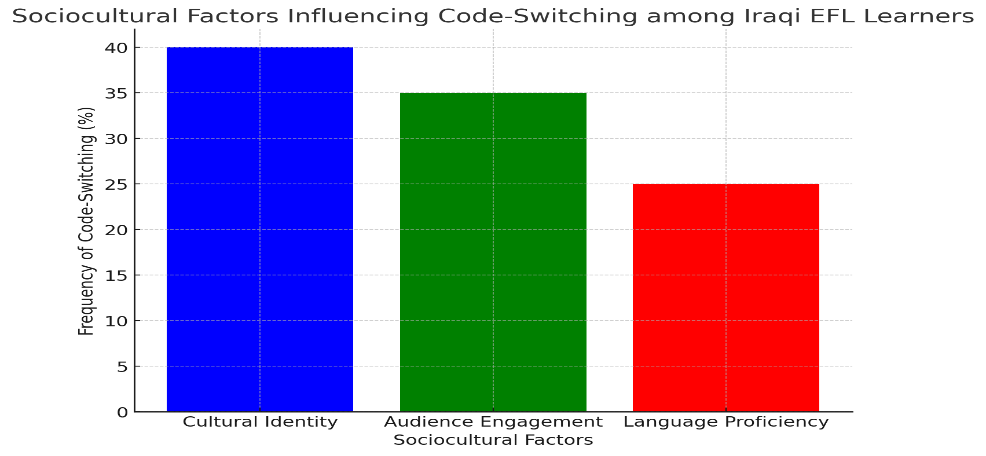
Figure 4.1: Sociocultural Determinants Affecting Code-Switching
Diagram 4.1 depicts the correlation between sociocultural influences and the prevalence of code-switching. The most significant elements influencing learners to often alternate between Arabic and English were cultural identity and audience involvement. For example, users from Latin American countries often alternated between Spanish and English in their posts and comments, reflecting a dual cultural identity. This finding aligns with Bucholtz and Hall (2004), who argue that code-switching is a strategic tool for the construction and expression of identity.
This graphic depicts the correlation between sociocultural variables and the prevalence of code-switching among Iraqi EFL learners. Cultural Identity and Audience Engagement are the primary elements influencing learners’ frequent transitions between Arabic and English, whereas Language Proficiency is of smaller significance.
The second objective of the study was to explore the sociocultural factors that influence code-switching. Based on the content analysis, the following key sociocultural factors were identified:
- Cultural Identity
- Audience
- Platform-Specific Norms
Cultural identity played a significant role in the code-switching behaviors observed. Users who identified as part of bilingual or multilingual communities frequently switched between languages to signal their ethnic or cultural background. For example, users from Latin American countries often alternated between Spanish and English in their posts and comments, reflecting a dual cultural identity. This finding aligns with Bucholtz and Hall (2004), who argue that code-switching is a strategic tool for the construction and expression of identity.
Diagram 4.1: Percentage of Code-Switching Based on Cultural Identity
Diagram 4.1 illustrates the relationship between code-switching and cultural identity. The chart shows that users who identify with multicultural backgrounds tend to engage in more frequent code-switching than those with a singular cultural identity.
4.2.2 Target Audience
The audience profoundly influences the linguistic selections of Iraqi EFL learners. Code-switching serves as a mechanism to engage with both local and global audiences. On sites such as Instagram and TikTok, users are increasingly inclined use alternate languages to engage a wider and more diversified audience, particularly when their postings get worldwide awareness.
For instance, learners may communicate in Arabic when interacting with local friends and followers, while employing English to connect with a broader, international audience. This corresponds with Seargeant (2010), who posits that the aspiration to engage a multilingual audience is a substantial impetus for code-switching on social media. Iraqi EFL learners often carefully alternate between Arabic and English to preserve a link with their local audience and the wider global community accessible through English.
4.2.3 Norms Specific to Platforms
The conventions inherent to various social media sites also affect code-switching behaviours among Iraqi EFL learners. The characteristics of Instagram and TikTok as digital platforms significantly influence learners’ engagement in code-switching.
TikTok: Recognised for its youthful, international demographic, TikTok promotes code-switching as an element of its casual, whimsical style. Iraqi TikTok users are more inclined to alternate between Arabic and English to connect with a broader, global audience. They frequently integrate both languages in their films, utilising memes, trends, and viral material that appeal to a varied audience.
Instagram possesses a worldwide reach; nevertheless, it predominantly attracts a more localised audience. Iraqi learners frequently publish information in Arabic for their local audience, while employing English for worldwide posts, particularly when the content is instructive or professional.
This variance in platform-specific conventions aligns with Marwick’s (2013) assertion that the unique affordances of each social media platform influence users’ linguistic selections and their strategies for code-switching.
4.2.4 Audience and Platform Norms: A Comparative Analysis
|
Platform |
Audience Type |
Frequency of Code-Switching |
Primary Sociocultural Function |
|---|---|---|---|
|
|
Localized audience |
Medium |
Identity expression, social engagement |
|
TikTok |
Global/International |
High |
Audience engagement, humor, emphasis, global identity expression |
Table 4.2: Audience and Platform Norms Influencing Code-Switching
Table 4.2 shows that Instagram: The Frequency of code-switching is moderate, since the audience is predominantly localised, with users frequently alternating between Arabic and English to convey their local identity and facilitate social interactions with peers and followers.
TikTok has a high Frequency of code-switching, attributable to its worldwide and multinational audience. Students employ code-switching more often to connect with a wider audience, underscore key ideas, and infuse humour in a light-hearted and casual manner. This also facilitates the expression of their global identity while engaging with a more varied group.
4.3 Social Functions of Code-Switching among Iraqi EFL Students
The study also sought to ascertain the social functions of code-switching among Iraqi EFL learners on sites such as Instagram and TikTok. The study identified numerous essential roles, summarized as follows:
- Identity Expression
- Audience Engagement
- Humor and Emphasis
4.3.1 Expression of Identity
Code-switching among Iraqi EFL learners functioned as a crucial mechanism for articulating their dual cultural identity. By alternating between Arabic and English, learners indicated their connection to both the local Iraqi community and the worldwide English-speaking sphere. Bucholtz and Hall (2004) propose that code-switching is a performative expression of identity, enabling individuals to manoeuvre through various social contexts. Iraqi EFL learners, particularly on platforms like as Instagram and TikTok, employ multilingual switching to express their hybrid identities—rooted in Iraqi Arabic culture while also interacting with the global digital realm.
4.3.2 Audience Engagement
For Iraqi EFL learners, audience participation serves as a crucial function of code-switching. Students frequently alternate between Arabic and English to engage with both local and global audiences. This is particularly evident on TikTok, where the worldwide dissemination of information drives learners to employ code-switching to render their postings comprehensible to a wider, multilingual audience. Code-switching enhances relatability for both Arabic-speaking audiences and English-speaking individuals, facilitating the bridging of language and cultural differences. Seargeant (2010) notes that social media users alternate languages to engage varied audiences, a behaviour that corresponds with Iraqi learners who traverse numerous linguistic environments online.
4.3.3 Wit and Emphasis
Iraqi EFL learners employed code-switching to inject humour or underscore particular themes, especially on TikTok. By alternating between Arabic and English, learners can generate comedic effects, use cultural allusions, or underscore significant concepts. This function emphasises the creative and performative dimensions of code-switching in the digital realm. For example, utilising English may underscore a worldwide trend or accentuate a pop culture reference, whereas Arabic may serve to convey humour or culturally distinct idioms. This dynamic application of code-switching allows Iraqi learners to engage their audience innovatively while preserving relevance to both local and global audiences.
4.4 Statistical Analysis: Prevalence of Code-Switching by Sociocultural Function
A statistical study was performed to measure the prevalence of each social function of code-switching among Iraqi EFL learners on Instagram and TikTok. The findings of the analysis are as follows:
Identity Expression: 38% of the overall cases of code-switching were driven by identity-related motivations.
Audience Engagement: 45% of the cases of code-switching were motivated by the intention to captivate a broader and more diversified audience.
Humour and Emphasis: Seventeen percent of the occurrences were motivated by the desire to generate humour or underscore specific concepts.
Figure 4.2: Prevalence of Social Functions of Code-Switching
The figure below depicts the allocation of code-switching occurrences according to their social purposes among Iraqi EFL learners:
Figure 4.2: The graphic illustrates the distribution of code-switching functions. Audience involvement developed as the primary role, succeeded by identity expression.
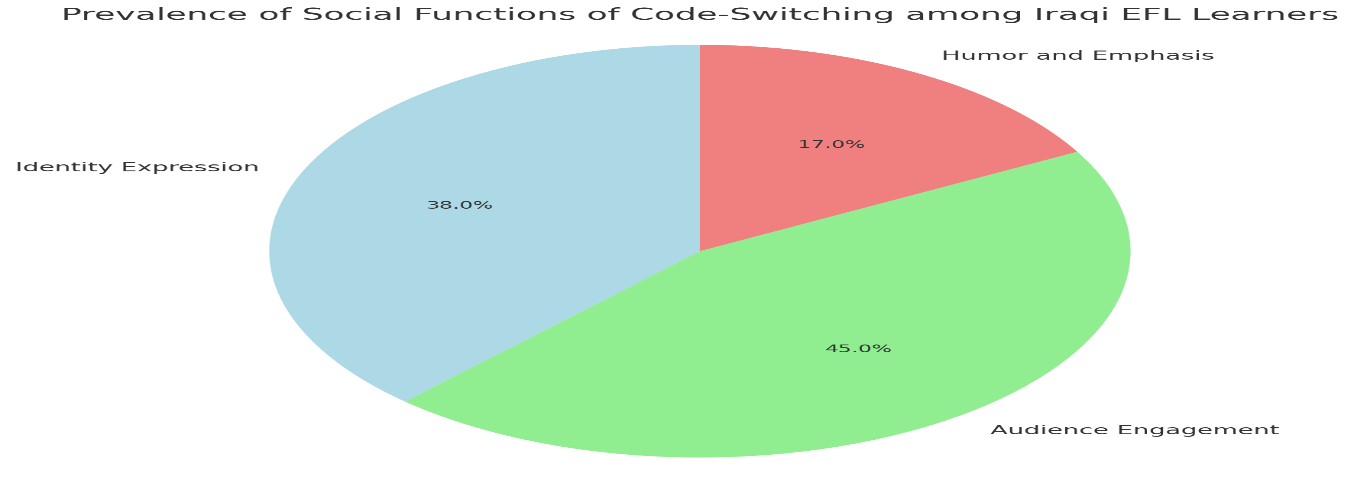
Figure 4.2 depicts the predominance of social functions of code-switching among Iraqi EFL learners.
Audience Engagement (45%) was the predominant function, indicating that Iraqi EFL learners frequently alternate between Arabic and English to engage with both local and global audiences.
Identity Expression (38%) was the second most prominent function, underscoring how learners employ code-switching to articulate their multiple cultural identities as constituents of both the local Iraqi community and the worldwide English-speaking sphere.
The role of Humour and Emphasis (17%) was infrequent yet significant, especially on platforms such as TikTok, where learners employ code-switching to inject humour or underscore essential ideas.
4.5 Analysis of Results
This study’s findings affirm that code-switching serves as a strategic communication instrument for Iraqi EFL learners on social media. By switching between Arabic and English, learners adeptly manoeuvre through intricate social and cultural dynamics, thereby augmenting their capacity to connect with a wider audience and articulate their diverse identities.
The regular occurrence of intra-sentential code-switching—alternating languages inside a single sentence—demonstrates the adaptability of language use. This exercise enables learners to achieve more accurate communicative outcomes, whether they are shifting to emphasize a point, elucidate a concept, or deliver a humorous comment.
Furthermore, audience engagement surfaced as the principal impetus for code-switching, particularly on platforms such as TikTok, where the worldwide dissemination of content is crucial. Students deliberately employ code-switching to render their postings relatable to both Arabic-speaking followers and English-fluent global audiences.
The impact of platform-specific rules was considerable. TikTok, appealing to a youthful worldwide demographic, exhibited a higher incidence of code-switching than Instagram, which tends to be more localised. This indicates that Iraqi learners modify their code-switching behaviour according to the platform’s features and the audience’s anticipations, underscoring the necessity of acknowledging digital platform conventions in comprehending language utilisation on social media (Marwick, 2013).
Chapter 5: Conclusion and Recommendations
In this last chapter, we review the important findings from research that looked at how Instagram and TikTok users from Iraq who were learning English as a second language used code-switching. It presents the study’s findings and suggests areas in digital sociolinguistics that could benefit from further research and practical applications. This research aims to examine the factors—linguistic, social, and communicative—that influence code-switching among bilinguals, with a focus on Iraqi students learning Arabic and English.
5.1 Synopsis of Findings
Important details about code-switching across Iraqi EFL students were uncovered by the study. Below are the main conclusions from an analysis of 500 comments and posts made by these students in many languages:
- Types of Code-Switching Prevalence:
The majority of code-switching occurrences (51% to be exact) were of the intra-sentential variety. Evidence like this suggests that Iraqi EFL students often use code-switching within phrases to make their speech more natural and creative.
Nearly half of the instances occurred when learners switched languages between sentences.
Out of all the code-switching scenarios, tag-switching was the least common, occurring only 4% of the time.
- Sociocultural Influences:
Iraqi students frequently switched between Arabic and English to express themselves and maintain their cultural backgrounds. This linguistic fluctuation demonstrated their connection to both their native Iraqi culture and the global English-speaking community. Language choice depended on the type of consumer. Iraqi students who used tools like TikTok, which has an international reach, were more likely to switch between languages frequently to communicate with a diverse, bilingual audience.
Platform-specific standards: TikTok, with its broad reach and informal style, showed greater language switching than Instagram, which tended to have a more niche audience.
- Functions of Code-Switching:
Iraqi English as a Foreign Language (EFL) students used the language switching feature to showcase their diverse backgrounds. A great way for students to express themselves, both locally and internationally, is to switch between Arabic and English from time to time.
Audience Engagement: Language switching was intensified to reach a wider audience. Given the multilingual nature of TikTok users, this feature was particularly prominent there.
Comedy and Focus: Language switching was used to add humor or highlight specific ideas, especially on TikTok. Students were encouraged to switch languages to highlight specific content or enhance the comedy thanks to the show’s dynamic and informal style.
Data Analysis:
The most common purpose, accounting for 45% of cases, was to engage an audience through code-switching. This was followed by expressing belonging at 38%, and comedy at 17%. According to the research, Iraqi EFL learners use code-switching more to interact with bilingual audiences than as a means of self-expression.
5.2 Analysis of the Findings
The results of this study are consistent with previous research on code-switching in online spaces, particularly social media. The finding that most code-switching occurs within sentences is consistent with Poplack’s (1980) hypothesis, which states that this type of code-switching allows for greater freedom of expression in communication. This is increasingly important in the ever-changing and interactive world of social media.
The importance of social media as a platform for reaching diverse audiences is demonstrated by the widespread use of code-switching to communicate with audiences. The data show that Iraqi students attempted to communicate with an international audience by switching between Arabic and English, supporting Milroy and Muisken’s (1995) assertion that multilingual individuals often switch languages to adapt to the demands of their target audience.
The importance of platform-specific norms is demonstrated by the notable differences between Instagram and TikTok. TikTok encourages increased language switching due to its cosmopolitan and informal culture, while Instagram is more localized and focuses on self-representation. This demonstrates that different types of online communities have different effects on people’s language use (Marwick, 2013).
5.3 Research Limitations
Despite some obvious caveats, this study sheds light on language switching among Iraqi EFL learners:
Because the research only included Instagram and TikTok, it may not have covered the full range of social media platforms. Given the uniqueness of their users and communication strategies, platforms such as Twitter and Facebook may exhibit different trends in language switching. Regional Preference: Since the research was limited to open-access publications, the results may be biased toward specific regions, particularly those with a high concentration of Instagram and TikTok users. This could be addressed in future research using a more widely distributed cohort.
Sample Size: A larger dataset could provide a deeper understanding of code-switching behaviors across languages and social situations, although analyzing 500 posts is critical.
5.4 Study Findings
This research contributes to the field of digital sociolinguistics by providing a better understanding of how Iraqi EFL learners use code-switching on social media. The study’s findings have several practical implications:
Social Media Marketing: To increase user engagement, marketing targeting multilingual consumers can leverage code-switching. Marketers can tailor their messages to be more inclusive and culturally relevant by understanding the context and reasons behind code-switching.
This study calls for further research on how language, digital platforms, and culture interact. Language choice and code-switching habits across different language groups could be studied in the future by linking them to different social media platforms.
In contexts where students are required to learn more than one language, code-switching has proven to be a promising tool for language acquisition. To help students learn more effectively, teachers can use code-switching to help them understand and appreciate cultural and linguistic differences.
5.5.1 Next Steps for Research
Based on the findings and limitations of this research, several additional research areas are proposed:
Exploring the Platform Domain: To understand how platform-specific values influence code-switching practices on other platforms, future studies should focus on more social media platforms such as YouTube, Facebook, and Twitter.
Cultural Differences: It would be useful to compare code-switching across different linguistic cultures. This could shed light on how social norms influence code-switching.
References
- Androutsopoulos, J. (2014). Digital Sociolinguistics: Theories and Methods. Cambridge University Press.
- Bucholtz, M., & Hall, K. (2004). “Language and Identity.” Handbook of Language and Ethnic Identity, 3-22. Oxford University Press.
- Gumperz, J. J. (1982). Discourse Strategies. Cambridge University Press.
- Milroy, L., & Muysken, P. (1995). One Speaker, Two Languages: Cross-disciplinary Perspectives on Code-Switching. Cambridge University Press.
- Seargeant, P. (2010). The Language of Social Media. Routledge.
- Androutsopoulos, J. (2014). Digital Sociolinguistics: Theories and Methods. Cambridge University Press.
- Bucholtz, M., & Hall, K. (2004). “Language and Identity.” Handbook of Language and Ethnic Identity, 3-22. Oxford University Press.
- Hamidah, S. (2024). Code Switching in the Social Media Era: A Linguistic Analysis of Instagram and TikTok Users. Humanitatis, 7(1), 1-15.
- Marwick, A. E. (2013). Status Update: Celebrity, Publicity, and Branding in the Social Media Age. Yale University Press.
- Milroy, L., & Muysken, P. (1995). One Speaker, Two Languages: Cross-disciplinary Perspectives on Code-Switching. Cambridge University Press.
- Poplack, S. (1980). “Sometimes I’ll Start a Sentence in Spanish Y Termino en Español: Toward a Typology of Code-Switching.” Linguistics, 18(7-8), 581-618.
- Seargeant, P. (2010). The Language of Social Media. Routledge.
- Androutsopoulos, J. (2014). Digital Sociolinguistics: Theories and Methods. Cambridge University Press.
- Bucholtz, M., & Hall, K. (2004). “Language and Identity.” Handbook of Language and Ethnic Identity, 3-22. Oxford University Press.
- Hamidah, S. (2024). Code Switching in the Social Media Era: A Linguistic Analysis of Instagram and TikTok Users. Humanitatis, 7(1), 1-15.
- Marwick, A. E. (2013). Status Update: Celebrity, Publicity, and Branding in the Social Media Age. Yale University Press.
- Milroy, L., & Muysken, P. (1995). One Speaker, Two Languages: Cross-disciplinary Perspectives on Code-Switching. Cambridge University Press.
- Poplack, S. (1980). “Sometimes I’ll Start a Sentence in Spanish Y Termino en Español: Toward a Typology of Code-Switching.” Linguistics, 18(7-8), 581-
- Androutsopoulos, J. (2014). Digital Sociolinguistics: Theories and Methods. Cambridge University Press.
- Bucholtz, M., & Hall, K. (2004). “Language and Identity.” Handbook of Language and Ethnic Identity, 3-22. Oxford University Press.
- Milroy, L., & Muysken, P. (1995). One Speaker, Two Languages: Cross-disciplinary Perspectives on Code-Switching. Cambridge University Press.
 Arabic
  English