

The effect of climatic factors on the incidence of skin diseases and the use of laser treatment for these diseases
تأثير العوامل المناخية في حدوث الأمراض الجلدية واستخدام العلاج بالليزر لهذه الأمراض.
Muntadher Talib Awayiz1
1 Department of Physics, Faculty of Science, University of Kufa, Al-Najaf, Iraq
E: muntadhert.alali@uokufa.edu.iq
DOI: https://doi.org/10.53796/hnsj74/33
Arabic Scientific Research Identifier: https://arsri.org/10000/74/33
Volume (7) Issue (4). Pages: 543 - 549
Received at: 2026-03-12 | Accepted at: 2026-03-20 | Published at: 2026-04-01
Abstract: This study has been performed to assess the impact of climate on skin diseases and laser treatment for these situations. This was a cross-sectional observational study in 120 patients with various dermatological disorders, such as infectious, inflammatory, pigmentary and photo-induced diseases. Another set of data during this time was clinical data collected in parallel to environmental parameters (temperature, humidity, ultraviolet UV radiation, and air pollution). According to test data inflammatory skin disease were found in mice (20%), infectious diseases, approximately 35%, pigmentary disorder and photo-induced conditions were found at about 10%. The strongest correlations were between climatic factors and disease patterns, however. Infectious diseases were raised by high temperature and humidity, while cold and dry conditions were associated with exacerbation of inflammatory skin disorders. UV (ultraviolet) rays were largely responsible for pigmentation disorders, and air pollution was found to lead to acne and allergic responses. A subgroup of patients underwent laser therapy, which displayed very strong efficacy especially for pigmentation disorders (70–85% improvement) and acne scars (60–75% improvement), albeit with limited side effects. The results showed significant correlation between climatic factors and distribution of skin diseases at p < 0.05, climate affects dermatological health further laser therapy has many disease effective and safe.
Keywords: laser treatment, diseases, skin, temperature, humidity, ultraviolet UV radiation.
المستخلص: أُجريت هذه الدراسة لتقييم تأثير المناخ في الأمراض الجلدية واستخدام العلاج بالليزر لهذه الحالات. وقد كانت هذه الدراسة دراسة رصدية مقطعية شملت 120 مريضًا يعانون من اضطرابات جلدية متنوعة، مثل الأمراض المعدية، والالتهابية، واضطرابات التصبغ، والأمراض الناتجة عن التعرض للضوء. كما جُمعت خلال هذه الفترة بيانات سريرية بالتوازي مع المعايير البيئية، مثل درجة الحرارة، والرطوبة، والأشعة فوق البنفسجية، وتلوث الهواء. وأظهرت بيانات الدراسة أن الأمراض الجلدية الالتهابية وُجدت بنسبة 20%، والأمراض المعدية بنسبة تقارب 35%، في حين وُجدت اضطرابات التصبغ والحالات الناتجة عن التعرض للضوء بنسبة تقارب 10%. وقد ظهرت أقوى الارتباطات بين العوامل المناخية وأنماط الأمراض. إذ ازدادت الأمراض المعدية مع ارتفاع درجات الحرارة والرطوبة، بينما ارتبطت الأجواء الباردة والجافة بتفاقم الاضطرابات الجلدية الالتهابية. وكانت الأشعة فوق البنفسجية مسؤولة بدرجة كبيرة عن اضطرابات التصبغ، كما تبين أن تلوث الهواء يؤدي إلى ظهور حب الشباب والاستجابات التحسسية. وخضع جزء من المرضى للعلاج بالليزر، وأظهر فعالية قوية جدًا، ولا سيما في علاج اضطرابات التصبغ بنسبة تحسن تراوحت بين 70% و85%، وندبات حب الشباب بنسبة تحسن تراوحت بين 60% و75%، مع آثار جانبية محدودة. وأظهرت النتائج وجود ارتباط معنوي بين العوامل المناخية وتوزيع الأمراض الجلدية عند مستوى دلالة p < 0.05، مما يدل على أن المناخ يؤثر في الصحة الجلدية، وأن العلاج بالليزر يُعد وسيلة فعالة وآمنة في علاج العديد من هذه الأمراض.
الكلمات المفتاحية: العلاج بالليزر، الأمراض، الجلد، درجة الحرارة، الرطوبة، الأشعة فوق البنفسجية.
1: Introduction
Since skin is the primary interface between body and environment, environmental changing condition distinctly influences skin structures, skin homeostasis reestablishment, and microbiome that can eventually worsen health conditions; such as dermatitis or psoriasis [1]. In addition to changing microbial ecosystems [2], seasonality in temperature, humidity, ultraviolet (UV) radiation and air pollution all modulate skin physiology and immune responses. Concerning climate change [3] and adverse impacts on nature of services compounded with expected environmental elements, dermatological diseases representing a novel challenge for patients are also increasing in both frequency and complexity vis-à-vis the health systems. Skin disease is intrinsically linked to climate. For example:getting hot under the collarin hot and humid weather, high temperatures combined with humidity provide a conducive environment for rapid multiplication of microorganisms (bacteria, fungi and parasites) in animals as well as humans that lead to rise rate of infectious diseases like fungaldermatitis;impetigo,[4] or other contagious skin-related diseases. In contrast, cold and dry weather seems to make skin barrier function worse that can trigger eczema and psoriasis flares or xerosis [5].
Although exposure of the skin to ultraviolet (UV) radiation is required for vitamin D synthesis, it is also a key risk factor for skin tumors, photoageing and pigmentary disorders. Ambient exposures to inhaled contaminants such as airborne toxins (e.g., pollution, smoke) and receptors (e.g., smoking, gas lamps) are associated with diseases of the respiratory tract and also promote inflammatory skin disorders like severe acne, atopic dermatitis, or urticaria [6]. Although climate influences and dermatology have been understood for centuries, in recent decades the interaction of these two factors has become increasingly influential as a result of global warming and environmental depletion [4].
Temperatures are on the rise, weather patterns and climate extremes including heatwaves and dust storms are upending the epidemiology of skin diseases (,. And these are not only concerned with the geographic range of some diseases but also influence their incidence, manifestations and response to classical treatment [5].
Thus, novel therapeutic strategies are urgently required [6]. Laser technology is an outstanding innovation in contemporary dermatologic therapy. Are a main reason why harsh lights have become one of the most well-tolerated and effective therapy for a multitude of skin diseases. The lasers segmental wavelength, variating the penetration depths means we could target targeted chromophores in the skin (melanin and hemoglobin with water) meaning specific or selective treatment sparing adjacent tissues. This property alone enables treatment for UV light and heat aggravated vascular lesions and dye scarring seen in certain chronic inflammatory diseases.[7].
Moreover, therapies using lasers is an important different way resulting in the successes of medical or cosmetic effects on skin diseases. They are already been implemented in the treatment of acne scar, plaque psoriasis, fungal infection and even neoplastic diseases [7]. Laser treatments offer a safe and effective alternative to conventional therapies that may be less efficient or prone to adverse effects when applied on patients living in areas of high solar radiation exposure and/or other environmental aggressors [3]. The development of fractional lasers and non-ablative systems enhanced safety, reduced healing time and widened indication [7].
2: Practical Section
This was a cross-sectional observational study over 6-month period conducted in dermatology outpatient clinics. Specifically, the objectives of this study were to investigate how logistical factors (temperature, humidity, ultraviolet radiation and air pollution) affect the severity and incidence of common skin disease; assess the efficacy of laser therapy as a modern treatment for these diseases. Alternate Form: 65y excluded leaving final cohort of 120 patients (i.e., aged > ≤15 y and ≥65 y) All of the participants were diagnosed with skin conditions that had been described as being impacted by environmental and climatic changes (eg acne, eczema, fungal infections, pigmentation disorders). To reduce heterogeneity of results, we excluded subjects with systemic disease or autoimmune disease. Pregnant women and those receiving immunosuppressive therapy were excluded, as well. Clinical examination and environmental monitoring were additional methods to collect data, as well as patient questionnaires. All patients underwent a complete dermatological evaluation including diagnosis, grading of disease activity and duration of disease. It means that climatological data (daily temperature, humidity, UV index and atmospheric pollutants) were collected at the same time from official meteorological sources. Moreover, patients detailed the degree of sunlight exposure much closer to geographical area, work environment, daily life cleaning practices and cosmetics usage[8].
Skin is the visible organ of our body on which a wide range of diseases can occur that are generally classified into four groups: infectious diseases (fungal, bacterial), inflammatory diseases (pimples with their inflamed counterparts or acne; eczema and psoriasis) pigmentary disorders (melasma & hyperpigmentation) and various photo-pathologies like sunburns & premature skin aging. The process showed a strong relationship between climatic parameters and patterns of disease. High temperature and humidity favoured infectious skin diseases, which were directly correlated with the better growth of microorganisms. In contrast, weather conditions which are cold and dry were associated with higher rates of eczema and skin dryness mediated through the defective skin barrier function. Exposure to ultraviolet (UV) radiation was particularly responsible for causing pigmentary diseases whilst air pollution was found to worsen acne and allergic skin diseases [9].
Of the patients, 60 patients were selected by medical condition and laser therapy received to assess treatment outcome. Fractional CO₂ laser was used to treat acne scars and skin resurfacing, Q-switched Nd:YAG laser for pigmentation disorders, and pulsed dye laser for inflammatory or vascular lesions. The regimen was delivered on a recurrent basis every 3–4 weeks with corresponding pre- and post-treatment care [10].
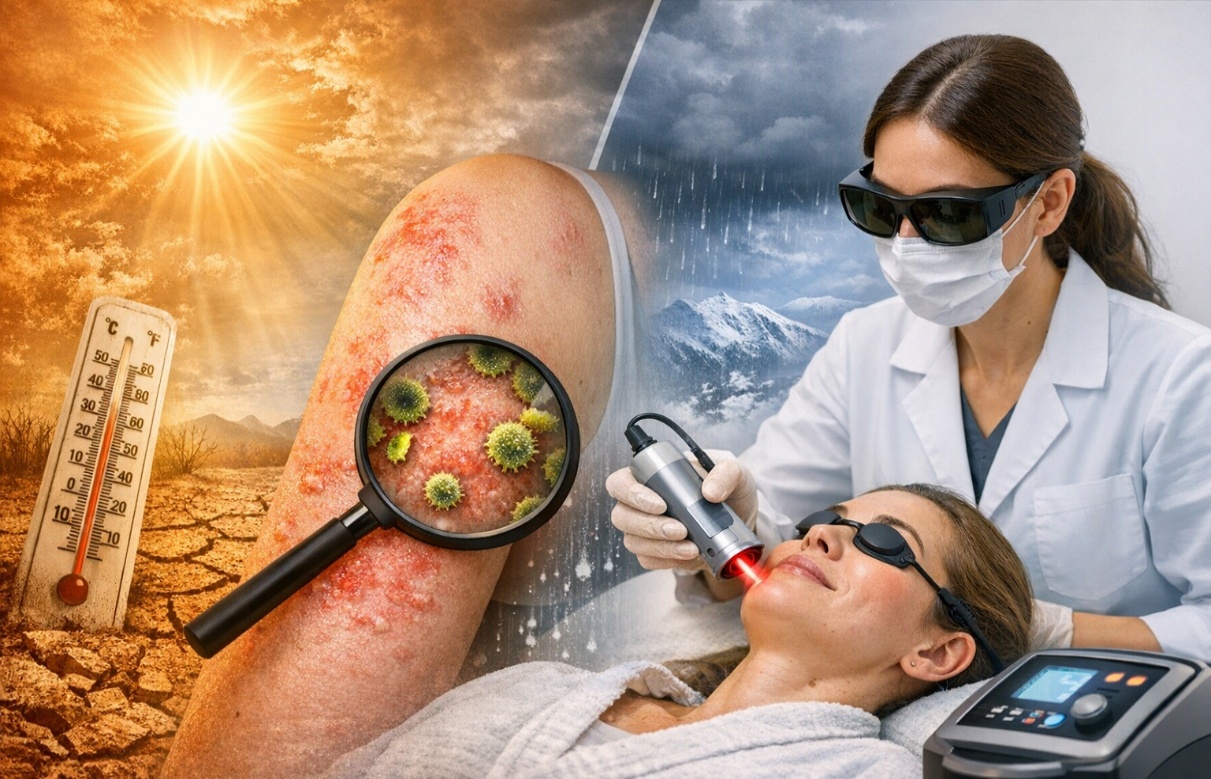
Figure 1:Impact of Climatic Factors on the Development of Skin Diseases and the Role of Laser Therapy in Their Treatment
3: Results
3.1. Distribution of Skin Diseases According to Type
For the assessment of the frequency of various skin diseases, all diagnosed cases (n = 120) were divided into four major categories as mentioned in practical section. This, in turn, allows for a better understanding of the conditions most affected by weather-related phenomena.
Table 1: Distribution of Skin Diseases
|
Disease Category |
Number of Cases |
Percentage (%) |
|
Infectious Diseases |
42 |
35% |
|
Inflammatory Diseases |
48 |
40% |
|
Pigmentary Disorders |
18 |
15% |
|
Photo-induced Diseases |
12 |
10% |
|
Total |
120 |
100% |
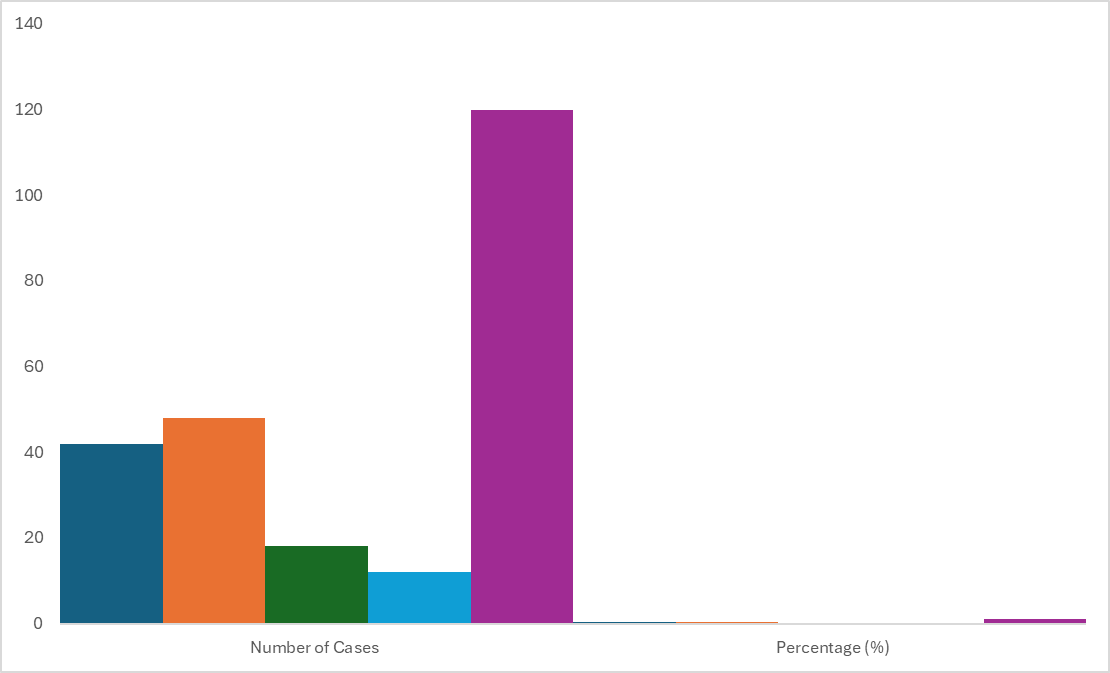
Figure 2: Distribution of Skin Diseases Among the Study Population According to Type
2. Relationship Between Climatic Factors and Skin Diseases
Climatic data (temperature, humidity, UV radiation, and air pollution) were analyzed to assess the possible influence of environmental conditions on the occurrence of skin diseases during the studied period. Table showing the associations identified in the study.
Table 2: Climatic Factors and Associated Skin Disease
|
Observed Effect |
Associated Skin Diseases |
Climatic Factor |
|
Increased prevalence |
Fungal and bacterial infections |
High Temperature & Humidity |
|
Increased severity |
Eczema and xerosis |
Cold & Dry Climate |
|
Increased pigmentation |
Melasma and hyperpigmentation |
High UV Radiation |
|
Increased inflammation |
Acne and allergic reactions |
Air Pollution & Dust |
3. Laser Treatment Outcomes
In order to evaluate the effects of laser therapy, 60 patients were treated with different kinds of lasers according to their condition. Outcomes were assessed through clinical improvement and treatment session responses
Table 3: Effectiveness of Laser Therapy
|
Condition |
Laser Type Used |
Outcome |
|
Pigmentation Disorders |
Q-switched Nd:YAG |
70–85% improvement |
|
Acne Scars |
Fractional CO₂ |
60–75% improvement |
|
Inflammatory Lesions |
Pulsed Dye Laser |
Noticeable improvement after 2–3 sessions |
5. Statistical Analysis of Results
Statistical analysis was performed to determine the significance of the relationship between climatic factors and the distribution of skin diseases. The results confirm the reliability of the observed associations.
Table (5): Statistical Analysis Results
|
Parameter |
Result |
|
Statistical Test |
Chi-square |
|
Significance Level |
p < 0.05 |
|
Correlation |
Significant |
|
Interpretation |
Strong relationship between climate and skin diseases |
4: Discussion
This study offers strong evidence that climate conditions are significant determinants of the prevalence and severity of skin disease. This analysis found that the most common pre-intervention conditions present in its study population were inflammatory (40%) and infectious disease (35%), which is consistent with well-established multifactorial aetiologies of dermatological diseases, with both environmental exposure as well individual susceptibility providing insight on these common problems Environmental exposures such increases in temperature, humidity levels and pollutants serve as crucial triggers for skin diseases among people including acne,[11] eczema [12] and psoriasis[13], thus explaining this sample of prevalent conditions prior to implementation of intervention. All of this, too, is attributed to climate variables (warming and humidity), which together account for the relatively high burden of infectious diseases of the skin (35%).
This environmental conditions works to propagate one or more microorganisms. This phenomenon shatters, among other things, all the already announced data showing relative love of fungal infection in warm-humid weathers (Particularly in badly ventilated and sweat-prone areas)[12] Pigmentary disorders (15% cases of these) are absolutely associated with establish raise in ultra violet (UV) exposure. Melanocytes are triggered by UV radiation and melasma & post-inflammatory hyperpigmentation appear. The association observed regarding UV exposure spectrum and wave band in terms of ratio of pigmentation disorders occurrence remained uncontroversial with that previously reported [13] taking solar radiation as one the prime risk factors for pigmentary changes of skin. Photo induced conditions (10%) also “illuminates” (coral impact) the coral effect on skin integrity and aging related to over exposure to the sun. Climatic variables directly related to skin disease were evaluated. Hot humid climate aggravated infective diseases and cold dry climate flared eczema and xerosis. These (together with related) data underpin the notion that environmental factors significantly influence skin barrier function, in particular in low humidity environments enhanced transepidermal water loss and cutaneous sensitivity to irritants.[11].
Moreover, past research has confirmed that oxidative damage and the inflammatory response triggered by particulate matter could be worsened in acne and allergic reactions [14]. In conclusion, the outcome of laser treatment with specific skin disease was very useful and effective. Q-switched Nd:YAG laser treatment is an efficient tool in the management of pigmentation disorders, with improvement rates of 70–85% and this may be attributed to its property of selectively targeting melanin without causing damage to surrounding normal tissue. This mechanism is well-known and widely practiced in dermatology [15].
In addition, fractional CO₂ laser resulted in significant improvement in acne scars (60–75%), through the process of granulation remodeling and resurfacing of the skin. For inflammatory lesions, the pulsed dye laser (PDL) was effective, with improvement seen after 2–3 sessions. This is due to probably its action on vessels and an anti-inflammatory one, resulting in decreased redness and size of lesional tissue. This fact is also backed up by the statistical data analysis. This indicates that the results are not by chance and underlines the need to consider the effects of environmental factors not only for prevention but also treatment (where applicable) of skin diseases Finally this study highlights the impact of climate on dermatology and warrants its increasing application, therefore laser technology will be a successful modality for treatment alike. Implementation of knowledge on environmental factors into recent treatments will significantly ameliorate clinical results, and reduced load of epidermic diseases will contribute to a global guideline for diverse bioclimatic areas.
5: Conclusion
The study found that weather parameters were the strongest predictors for skin disease incidence severity. The vast majority of changes in the epidemiology of dermatological disease seem to be driven by environmental factors such as temperature, humidity, UV exposure and air pollution with inflammatory/infectious conditions being the most influenced. The present study also revealed that laser therapy is an extremely effective and safe treatment modality for achieving successful clinical improvement of various skin diseases, especially pigmentation disorders and acne scars. Also, there are very few side effects with laser treatment; this will always be an important part of expert dermatology. But ultimately, it is how well we know about climate and treatment technologies that will most impact outcomes. Approaches in the future would be climate based prevention and personalized disease management to fortfully manage skin diseases.
References:
Kim, J. E., Cho, B. K., & Park, H. J. (2016). Climate change and skin diseases. Annals of Dermatology, 28(5), 513–522. https://doi.org/10.5021/ad.2016.28.5.513
Krutmann, J., Bouloc, A., Sore, G., Bernard, B. A., & Passeron, T. (2017). The skin aging exposome. Journal of Dermatological Science, 85(3), 152–161. https://doi.org/10.1016/j.jdermsci.2016.09.015
Liu, W., Pan, X., Vierkötter, A., et al. (2018). A time-series study of the effect of air pollution on outpatient visits for acne vulgaris in Beijing. Skin Pharmacology and Physiology, 31(2), 107–113. https://doi.org/10.1159/000484482
Xu, F., Yan, S., Wu, M., et al. (2016). Ambient temperature and skin disease: A systematic review. Environmental Research, 151, 269–276. https://doi.org/10.1016/j.envres.2016.07.002
Dréno, B., Araviiskaia, E., Berardesca, E., et al. (2018). The impact of exposome on acne. Journal of the European Academy of Dermatology and Venereology, 32(5), 812–819. https://doi.org/10.1111/jdv.14803
Coates, S. J., Kvedar, J., & Granstein, R. D. (2020). Climate change and the skin: Implications for dermatology. Journal of the American Academy of Dermatology, 82(5), 1213–1214. https://doi.org/10.1016/j.jaad.2019.09.070
Hönigsmann, H. (2018). Ultraviolet radiation and skin diseases. Photochemical & Photobiological Sciences, 17(12), 1890–1899. https://doi.org/10.1039/C8PP00275A
Friedman, P. M. (2017). Laser treatment of scars and pigmentation. Dermatologic Surgery, 43(Suppl. 1), S3–S12. https://doi.org/10.1097/DSS.0000000000001304
Tierney, E. P., & Hanke, C. W. (2016). Treatment of acne scarring with fractional laser technology. Journal of Drugs in Dermatology, 15(9), 1127–1132.
Alster, T. S., & Tanzi, E. L. (2015). Laser therapy in dermatology. Dermatologic Clinics, 33(1), 1–7. https://doi.org/10.1016/j.det.2014.09.001
Watts, N., et al. (2021). The 2021 report of the Lancet Countdown on health and climate change. The Lancet, 398(10311), 1619–1662. https://doi.org/10.1016/S0140-6736(21)01787-6
World Health Organization. (2021). Climate change and health. World Health Organization. https://www.who.int/news-room/fact-sheets/detail/climate-change-and-health
Patra, V., Byrne, S. N., & Wolf, P. (2016). The skin microbiome and UV radiation. Photodermatology, Photoimmunology & Photomedicine, 32(5–6), 245–251. https://doi.org/10.1111/phpp.12260
Narayanan, D. L., Saladi, R. N., & Fox, J. L. (2010). Ultraviolet radiation and skin cancer. International Journal of Dermatology, 49(9), 978–986. https://doi.org/10.1111/j.1365-4632.2010.04474.x
 Arabic
  English