

A review of Removing pesticides and their Impact on the Environment
مراجعة حول إزالة المبيدات الحشرية وتأثيرها على البيئة
Khawlah S. Burghal1
1 Department of Chemistry, College of Science, University of Basrah, Basrah, Iraq
https://orcid.org/0000-0001-6238-7835
*Corresponding author’s e-mail: khawla.brqaal@uobasrah.edu.iq
DOI: https://doi.org/10.53796/hnsj612/9
Arabic Scientific Research Identifier: https://arsri.org/10000/612/9
Volume (6) Issue (12). Pages: 108 - 122
Received at: 2025-11-05 | Accepted at: 2025-11-12 | Published at: 2025-12-01
Abstract: Modern agriculture relies heavily on pesticides to safeguard yields, yet their persistence, mobility, and toxicity have made them pervasive contaminants in soils and waters. Mounting evidence of ecological and human-health risks has spurred an urgent search for effective, scalable removal strategies. This review synthesizes current knowledge on pesticide occurrence, transport, and fate across surface water, groundwater, and sediments, and appraises the health and ecological hazards associated with major classes (organochlorines, organophosphates, carbamates, herbicides, and fungicides). It then critically evaluates treatment approaches spanning physical (adsorption, membrane processes), chemical/physicochemical (chlorination, advanced oxidation including photocatalysis, Fenton, and electrochemical routes), and biological methods (microbial degradation and engineered consortia). Adsorption—particularly onto activated carbon and emerging low-cost/bio-based sorbents—remains the most deployable, cost-effective option for many pesticide mixtures, with performance governed by sorbent pore architecture and surface chemistry. Pressure-driven membranes (nanofiltration/reverse osmosis) offer high rejection for select compounds but face fouling and brine-management constraints. Advanced oxidation can achieve deep degradation yet requires careful control to avoid toxic by-products. Biological treatments show promise for specific chemistries but are sensitive to operational conditions and influent variability. Evidence supports integrated, fit-for-purpose treatment trains that align pesticide physicochemical properties (solubility, molecular size, reactivity) with process mechanisms, coupled with by-product monitoring. The review highlights research gaps in real-matrix performance, transformation-product toxicity, and lifecycle impacts, and outlines practical guidance for selecting removal technologies that minimize risk while maintaining treatment sustainability.
Keywords: Pesticides; water pollution; adsorption; advanced oxidation processes; bioremediation.
المستخلص: تعتمد الزراعة الحديثة بشكل كبير على المبيدات لحماية المحاصيل وزيادة الإنتاج، إلا أن ثباتها وانتقالها وسميتها جعلت منها ملوثات واسعة الانتشار في التربة والمياه. ومع تزايد الأدلة على مخاطرها البيئية والصحية، برزت الحاجة الملحّة لإيجاد استراتيجيات فعالة وقابلة للتطبيق لإزالتها. تُقدّم هذه المراجعة تحليلاً شاملاً لتواجد المبيدات وانتقالها ومصيرها في المياه السطحية والجوفية والرواسب، وتستعرض الآثار الصحية والبيئية المرتبطة بأهم فئاتها (الكلورية العضوية، الفسفورية العضوية، الكارباميت، مبيدات الأعشاب، ومبيدات الفطريات). كما تستعرض الدراسة أساليب المعالجة المختلفة لإزالة المبيدات، بما في ذلك الطرق الفيزيائية (الامتزاز، الترشيح الغشائي)، والكيميائية/الفيزيوكيميائية (الكلورة، الأكسدة المتقدمة مثل الفوتوكاتاليس، تفاعل فنتون، والأكسدة الكهروكيميائية)، والطرق الحيوية (التحلل الميكروبي والأنظمة الحيوية المهندسة). ويُعدّ الامتزاز – خاصة على الكربون المنشّط والمواد الحيوية منخفضة التكلفة – من أكثر الأساليب كفاءة وملاءمة، حيث تعتمد فعاليته على بنية المسام والكيمياء السطحية للمواد الماصة. كما توفر الأغشية المضغوطة (الترشيح النانوي والتناضح العكسي) كفاءة عالية في إزالة بعض المركبات، لكنها تواجه تحديات التكلس والت fouling والتخلّص من الرجيع. أما عمليات الأكسدة المتقدمة فتتميز بقدرتها على التحلل الكامل للمبيدات، غير أن التحكم في النواتج الثانوية السامة يبقى ضرورياً. وتُظهر المعالجات الحيوية فعالية محددة لبعض المركبات لكنها تتأثر بالظروف التشغيلية وتغير خصائص المياه الداخلة. توصي المراجعة باعتماد أنظمة معالجة متكاملة تتناسب مع الخصائص الكيميائية والفيزيائية للمبيدات، مع مراقبة النواتج الثانوية وضمان استدامة المعالجة البيئية.
الكلمات المفتاحية: المبيدات؛ تلوث المياه؛ الامتزاز؛ عمليات الأكسدة المتقدمة؛ المعالجة الحيوية.
1. Introduction
Environmental contamination is a major global concern. The biosphere as a whole is impacted by this occurrence. Given that water resources are essential to life and all human endeavors, water pollution in particular is a major concern1.
The majority of this water—more than 140,000 cubic hectometers—is subsequently released back into the environment, however it frequently contains pollutants or contaminants, such as dangerous compounds, which can have detrimental effects on ecosystems and human health. As a result, there has been an increase in interest in eliminating contaminants from water in recent years2.
Chemical pollution of water systems is thought to be responsible for approximately 500,000 deaths. The right to clean drinking water is acknowledged as a human right by the UN. However, due to ongoing industrial chemical leaks into water systems, frequent accidents, and ineffective water treatment, this would not be feasible in some highly industrialized locations. When discharged into water, several novel industrial compounds with unknown, moderate, or long-term health impacts could go undiscovered. As the population continues to grow, residential, agricultural, and industrial usage rises, and chemical contaminants like pesticides, heavy metals, and medications are released into water systems2, 3.
Groundwater pollution is one of the most urgent issues, and crops are currently being treated with pesticides at a rapid speed. One of the biggest worldwide issues of the twenty-first century is preventing water pollution. Groundwater contamination results from the untreated absorption of wastewater in nearly every rural section of the nation. Preventing water pollution is currently receiving a lot of attention. After being treated in certain facilities, domestic wastewater is released. in bodies of water4. Water bodies experience some degree of contamination at the same time. The fact that our government has made several decisions in recent years with the primary goal of enhancing the health of water bodies is indicative of this5. Pesticides are useful chemicals that shield crops from human-harming pests and diseases. Because of their advantages, they are a crucial instrument for preserving and raising the global population’s level of living. Every year, two million tons of pesticides are used globally to manage pests, insects, and weeds. Herbicides, insecticides, rodenticides, fungicides, and other pesticides are traditionally classified according to the target species. With 47.5% and 29.5% of all pesticide usage, respectively, herbicides and insecticides are the most often utilized forms of pesticides6, 7.
Pesticide use has many advantages, including as increasing food quantity and quality and lowering insect-borne illnesses. It does, however, raise concerns about their possible negative impacts on the environment, particularly water resources. The persistent and widespread characteristics of several pesticides, which have seriously harmed biodiversity, are the main cause of the related environmental effects. The type of substance, how it is applied, and the climate all affect how quickly pesticides degrade. Unknown to be harmful to human health, pesticides that are difficult to break down either build up in the soil or are carried from one place to another as degradation products. Runoff from industrial and agricultural wastewater contributes to the prevalence of pesticides in water bodies8, 9.
Increasing food quantity and quality and reducing insect-borne illnesses are just two benefits of using pesticides. However, it raises questions about their potential detrimental effects on the environment, especially water supplies. The primary source of the associated environmental consequences is the pervasive and persistent nature of a number of pesticides that have significantly damaged biodiversity10.
The rate at which pesticides break down depends on the kind of material, how it is applied, and the temperature11. Difficult-to-degrade pesticides either accumulate in the soil or are transported from one location to another as degradation products, which are known to be detrimental to human health. Pesticides are more common in aquatic bodies due to runoff from agricultural and industrial wastes12.
The types of pesticides identified in water bodies, their origins of contamination, their fate and distribution in soil and water, their harmful impacts on human health, and the various treatment options were all examined in this study13. This review summarizes recent advancements in water and wastewater treatment technology and thoroughly examines the advancements achieved in water treatment, with special attention. seeks to gather the most recent cutting-edge methods for eliminating both established and new organic pollutants from water. It talks about the advantages and disadvantages of various purification processes and presents their removal outcomes, tested on different contaminants, in tables so the reader can compare them directly14.
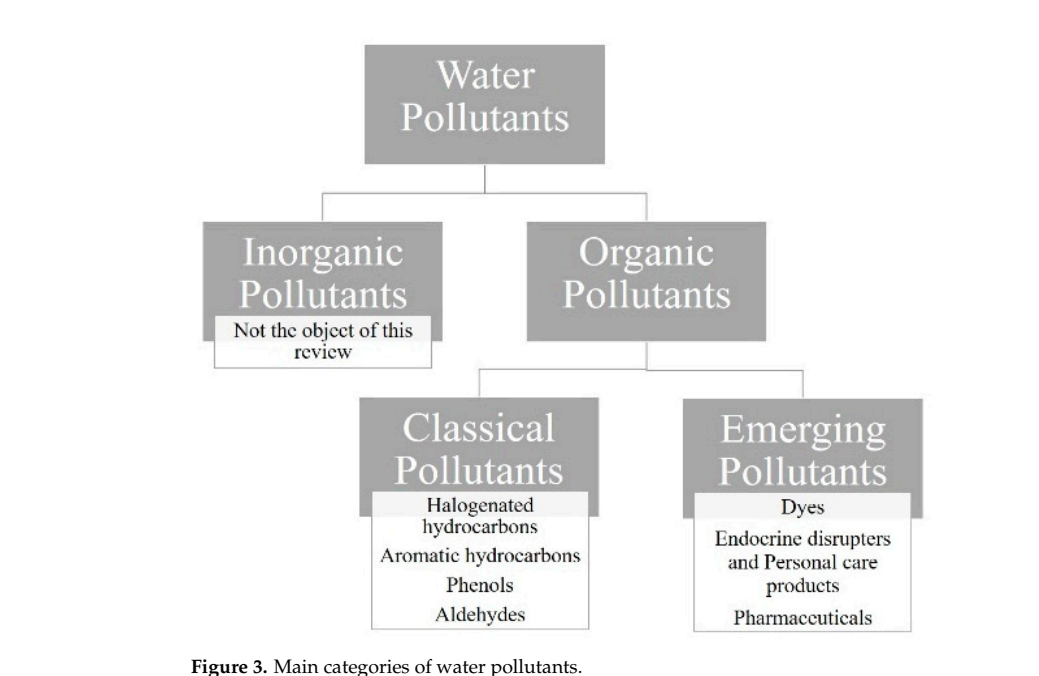
Figure 1 Main Categories water pollutants
1.2-Causes of Agricultural Water Pollution
Humans need vegetables, lentils, beans, and other legumes in addition to non-vegetarian meals like chicken, fish, eggs, and others because everyone requires food to thrive. Consequently, there is a pressing need to boost agricultural output. In order to boost growth, industrial techniques are being employed, and as a result of these agricultural practices, pollution has risen alarmingly in recent years. This mainly affects water. Less than 1% of the world’s fresh water is found there, therefore if it gets contaminated, food demand and water shortage would coincide. Communities and ecosystems around the world are severely impacted by agricultural water pollution15.
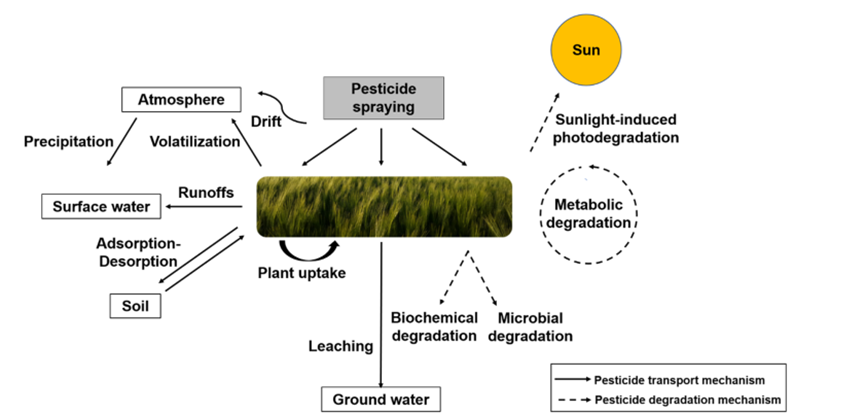
Figure 2 pesticide transport mechanism
The poisoning of freshwater supplies, both above and below ground, is making this water issue worse. Groundwater contamination is largely caused by poor farming practices. Water contamination is largely caused by the uncontrolled use of chemicals, such as pesticides and fertilizers, which have become essential components of the contemporary agricultural system16.
Pollutants and sediments are released into the groundwater system by a variety of agricultural operations. This contaminated water contaminates crops and spreads its detrimental effects throughout the ecosystem when it is utilized for irrigation. Fertilizers and pesticides are the main agricultural chemicals that contaminate groundwater17, 18.
Since agriculture uses more than 70% of the freshwater on Earth, we need to address the origins and sources of this issue. The various causes of agricultural water pollution and the reasons behind its persistence will be discussed in this article. This pollution comes from both point and nonpoint sources. Point sources can be identified, such as field runoff, feedlots, and concentrated animal feeding operations (CAFOs)19. Nonpoint sources are more difficult to identify, unlike point sources, such as fertilizer and pesticide runoff from agricultural fields. Pesticides are widely used in agriculture and other industries to control pests and diseases20.
Their use has revolutionized pest management and agricultural production, but it has also sparked worries about their future and possible effects on the environment and human health. Since sulfur was first utilized as a pesticide in the Roman Empire thousands of years ago, pesticides have been used. Due to technical advancements and rising consumer demand for food supply, pesticide use has increased significantly during the past century. Among the most used pesticides, organophosphate pesticides (OPPs) are essential for lowering pathogen contamination and boosting output21.
Concerns over these compounds’ long-term effects on the environment and animal health have been highlighted. The environment and human health are harmed by organophosphate pesticides (OPPs), and both developed and developing nations find it difficult to strike a balance between food security, environmental preservation, and public health. Numerous physical, chemical, and biological elements affect the fate and effects of pesticides, such as the pesticide’s chemical characteristics, the weather, and the kind of soil or water it penetrates. Through runoff, leaching, and spray drift, pesticides can have an impact on surface and groundwater22.
1.3. Type of Pesticide Pollutants in Water
Many nations use fungicides, herbicides, and insecticides sparingly in agriculture. They can contaminate water resources with carcinogens and other dangerous compounds that can damage people if they are unmanaged or mislabeled23. By eliminating weeds and insects, pesticides can have detrimental effects on ecosystems and biodiversity. Even though previous broad-spectrum pesticides are still widely used in affluent nations, newer, more effective pesticides that are less damaging to people and the environment and require fewer amounts per unit area are becoming more popular24.
Horticulture uses large amounts of pesticide active chemicals. Worldwide, excessive pesticide use results in serious human suffering and fatalities, particularly in agricultural nations where defenseless livestock producers frequently employ extremely dangerous chemicals25.
Based on the species they target, pesticides are divided into a number of different classes, including fungicides, herbicides, and insecticides, which are primarily applied in urban and agricultural settings. The classes and compounds of chemical fungicides, herbicides, and pesticides are listed in Table 1. Herbicides are substances that destroy weeds and are typically used to control the growth of plants. Insecticides are used to manage insects in home gardens, agricultural areas, and food storage facilities. Fungicides are usually sprayed either before or after the fungus has infected the plant species in order to prevent fungal infection of plants or seeds26.
Furthermore, pesticides can be categorized according to how they work against pests, including repellant, mitigation, and annihilation. Based on their chemical makeup, pesticides can be categorized using a more scientific approach. Prior to the 1940s, hazardous heavy metals like arsenic, copper, lead, and mercury were used to make conventional insecticides. Because these substances are only partially soluble in water, their residues in food pose a far bigger risk than those in drinking water. Although they rarely contaminate groundwater, synthetic organophosphate pesticides—like the chlorinated hydrocarbons introduced during World War II—tend to build up dangerous amounts in food chains27.
DDT, aldrin, endrin, and chlordane are a few examples of chlorinated hydrocarbons. Although these substances are more likely to chemically attach to soil particles, they are comparatively insoluble in water. Synthetic organophosphate insecticides, such diazinon and malathion, were created to take the role of chlorinated hydrocarbon pesticides28. Although they are still extremely hazardous to humans, organophosphorus insecticides are less common in groundwater due to their quick environmental breakdown. Chlorinated hydrocarbons are also being replaced by carbamate insecticides. Since soil particles are unable to absorb the active elements of carbamate insecticides, these substances may have found their way into surface water29.
Human neurodegenerative disorders and changes in neurobehavioral performance and nerve function have been linked to pesticide exposure30.
The delayed and long-lasting effects of pesticides, along with the modest alterations in neurobehavioral function, make studying their impact on the nervous system difficult. While it is feasible to detect acute or chronic organ failure in animal models due to chemical exposure, it is difficult or impossible to examine neurobehavioral function in animal models (e.g., human-specific behaviors like speech, emotions, and personality). As a result, several neurodegenerative illnesses or neurobehavioral disorders linked to pesticide exposure have not yet been identified31.
Table 1: Pesticides with their composition, health effects, and associated properties
|
Pesticide |
Composition |
Exposure |
Effects on human health |
Physical and chemical properties |
|---|---|---|---|---|
|
Organophosphorus |
Organic carbonaceous and phosphoric acid derivative |
Easily absorb by the skin, lungs, gastrointestinal tract (GI), and conjunctiva and metabolized by cytochrome P450 in the liver |
Muscarinic syndrome, nicotine syndrome, effects on the CNS, teratogenic and carcinogenic |
Most are polar, highly stable, and water soluble |
|
Organochlorines |
Organic carbonaceous compound with cyclodiene ring |
Absorption via skin, GI tract, and lungs, ingestion of contaminated food, and inhalation |
It has been linked to diabetes, cancer, asthma, and growth disorder in children |
Lipophilic, polar, and show high persistence with long half-life |
|
Carbamates |
Organic compound with general chemical formula RHNCOOR, a derivative of carbamic acid |
Absorption through the gastrointestinal tract, lungs, and skin |
Lesser CNS symptoms, abdominal pain, behavioral change, diarrhea, vomiting, urinary incontinence, dyspnea, bronchospasm, bradycardia, hypoxemia, etc. |
Polar compound, water-soluble, and have potential chemical reactivity |
|
Pyrethrins and pyrethroids |
Natural compounds extracted from Chrysanthemum cinerariaefolium and pyrethroids are synthetic derivatives of pyrethrins, chemical structure contains an acidic and alcohol moiety and an ester bond in the center |
Show little cytotoxicity but hyperexcitability, target voltage-gated chloride, sodium and calcium channels, nicotinic receptors, GABA-gated chloride channels, metabolized by CYP450 |
They have known to cause asthma and rhinitis (act as an allergen to respiratory system) as well as contact dermatitis |
Readily degradable in the presence of light (pyrethrins) |
|
Triazines |
Derivatives of a six-membered heterocyclic compound (s-triazine) with substitution at positions 2, 4, and 6. |
— |
Human poisoning is rare and might produce local irritation |
— |
|
Dithiocarbamates |
Synthetic derivatives of S-containing dithiocarbamates (either dimethyldithiocarbamate or ethylenebisdithiocarbamate) in conjugation with metallic salts of manganese, ferric, or zinc |
Absorption is slow |
Exposure for longer period might produce adverse effects; metabolites are carcinogenic |
Less phytotoxic and have more stability |
|
Phenoxy derivatives |
Consist of an aliphatic carboxylic acid group in conjugation with either an aromatic ring (methyl substituted) or chloride |
Absorption in GI tract, lungs, negligible i |
1.4-Environmental Impacts of Pesticides
There are benefits and drawbacks to using insecticides. By getting rid of the pests that consume them, they boost agricultural yields and productivity32. Without pesticides, pest infestations would cause a 40% decrease in food production worldwide. Additionally, they aid in lowering crop contamination with insect-borne aflatoxin, a carcinogen that causes liver cancer, weakened immune systems, and stunted infant growth. Insect populations are managed, agricultural land and forests are shielded from exotic pests, and disease outbreaks (like malaria) are prevented. Despite these advantages, many nations have outlawed their usage and manufacturing because of the various issues they raise33.
Although non-target organisms are typically also impacted, an ideal pesticide should solely kill the target pest. Following application, pesticides may be absorbed by target organisms, disperse into groundwater, eventually find their way to surface water bodies like rivers, lakes, and ponds, volatilize into the atmosphere, or be absorbed by the soil and finally find their way to non-target organisms34. Their usage seriously jeopardizes the biodiversity of plants and animals, disturbs food webs and has detrimental effects on ecosystems. Sprayers are typically used to apply pesticides since they are volatile compounds that evaporate into the air, expanding their distribution area and potentially affecting creatures that are not their intended targets. When insecticides, herbicides, and other pesticides are sprayed in this way, they affect non-target creatures more than their intended targets. The unchecked use of pesticides poses a major hazard to a wide range of terrestrial and aquatic animals and plants. The abuse of pesticides has threatened the survival of some foreign species, including the bald eagle, osprey, and peregrine falcon35.
1.5- The risks that contribute to pesticide contamination of water systems
Pesticide use and agricultural development are closely related. Although the use of pesticides has increased crop production potential and decreased losses from pest infestations, excessive amounts seep into groundwater and contaminate it. Pesticide persistence in the soil is intimately linked to groundwater contamination. Whether a herbicide will seep into groundwater depends on its adsorption capability. Groundwater will become contaminated by pesticides that have poor soil surface adsorption. There have been numerous reports of pesticide residues contaminating groundwater. Because of their high lipid solubility and capacity to accumulate in target species, pesticides present significant health concerns to biological systems36.
Chronic accumulation of low doses is possible because drinking water systems may contain trace amounts or undetectable levels of neurotoxic chemicals. Although it may happen more frequently than anticipated, it is crucial to understand that long-term neurological effects from persistent exposure are hard to identify. Lipophilic organochlorine insecticides, for instance, have been shown to bioaccumulate in human adipose tissue37.
Given that many pesticides may bioaccumulate in human tissues, there may be a synergistic effect between these waterborne chemicals and the body’s natural metabolites. For instance, it has been demonstrated that the organochlorine insecticide dieldrin exhibits synergistic effects on rat thymocytes when hydrogen peroxide is present38.
Water scarcity is predicted to affect almost 6 billion people by 2050. Implementing efficient wastewater recycling techniques is one potential answer to this issue. Unfortunately, because many wastewater treatment facilities have shown themselves to be ineffective at eliminating pollutants, this method confronts unique challenges. We will need to come up with ways to stop and lessen the acute and long-term health consequences of neurotoxic pesticides if treated wastewater ends up becoming a source of our daily water supply and these hazardous compounds continue to exist in water systems39.
Prohibiting the use of potentially neurotoxic substances could be an immediate answer. Because many pesticides have extended half-lives, there are continuous dangers from already tainted water sources even while this strategy lessens future contamination. For instance, DDT has a half-life of around 7 years in human tissue but roughly 25 years in the environment because of its resilience to photooxidation and destruction40.
4. Occurrence of Pesticide and Health Effect
Pesticide contamination is a common issue in several environmental contexts, including soil, river sediments, groundwater, and surface water. The peculiarities of hydrological systems and land-use contexts play a major role in the spread of various pesticides in groundwater and streams. The most often utilized pesticides were those found in groundwater and streams41.
This proved that because pesticides move quickly and directly through surface water, they are frequently found in surface water. The slow pace of water infiltration from the soil into the aquifer is responsible for the minimal effect of pesticide contamination on groundwater. However, pesticides can change, disseminate, and be absorbed due to their lengthy transit time, making it challenging to retrieve tainted groundwater. Of the twenty-five pesticides, eleven are often used herbicides in agriculture, seven are commonly used herbicides in urban areas, and six are used in both urban and agricultural settings42.
Pesticides are less frequently found in surface water and shallow groundwater in undeveloped areas. Due to the contribution of pesticides from many sources, the frequency of pesticide detection in watersheds draining streams in mixed land-use areas is comparable to that in agricultural or urban settings. In a similar vein, big aquifers have higher rates of pesticide detection in shallow groundwater. Agricultural herbicides are the most prevalent pesticides found in groundwater and streams. Both the frequency and concentration of pesticides were higher in urban rivers than in urban groundwater compared to agricultural areas43.
2-Methods for removal of pesticides
In order to fulfill a wide variety of pollutant levels, many technologies have been studied over the years to remove pesticides from environmental resources. Depending on how pesticides are decontaminated, these approaches can be roughly categorized as physical, chemical, or biological. To eliminate impurities, physical methods rely on physical separation techniques. The two most significant physical processes in this category are membrane and adsorption processes. By offering size-dependent separation depending on pore size, membranes provide a high level of selectivity. However, the constituents’ attraction for the membrane influences the rejection rate for membranes with pore diameters bigger than the pesticide44.
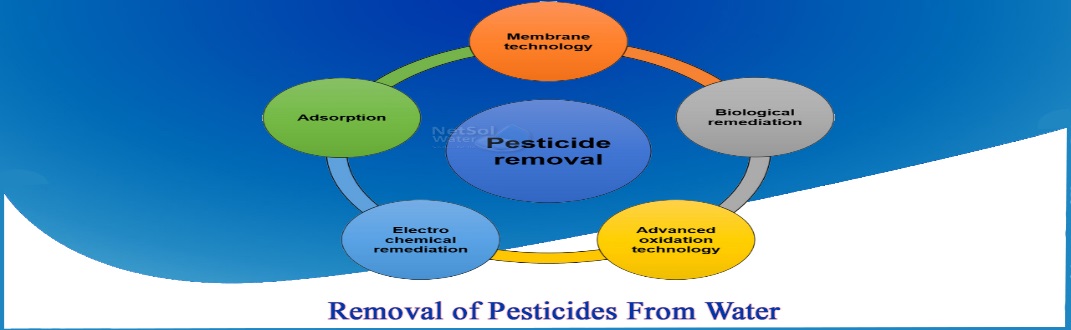
Figure 3 Mothed removal of pesticides from water
The best pressure-operated membrane technologies have been determined to be nano filtration and ultra-low-pressure reverse osmosis membranes. Pesticides can be removed from water using a number of different techniques. These include membrane filtering, photochemical degradation, chlorination, biological treatment, and sophisticated oxidation mechanisms like the Fenton reaction. The pros and cons of each of these various technologies are shown in. However, adsorption onto activated carbon is the most popular and successful technique for containing pesticides found in rivers45.
2.1- Adsorption
A variety of chemical substances can be successfully removed from aqueous systems using adsorption, a reasonably easy, inexpensive, and energy-efficient technique. However, the intrinsic characteristics of the adsorbent materials, such as particle diameter, pore size, and chemical/thermal stability, determine how effective the procedure is. one of the most popular techniques for purifying water, and it works especially well when smart materials like stimuli-responsive polymers and nano composites are used. Through the adsorption process, contaminants stick to the adsorbent’s surface and are effectively extracted from the water. Graphene oxide’s vast surface area, functional groups, and flexibility to respond to particular pollutants for instance, because of their huge surface area and abundance of oxygen-containing functional groups that establish strong interactions with metal ions like lead, arsenic, and mercury, nano composites are very effective adsorbents.
Similarly, they have a high adsorption capacity for organic pollutants like dyes and medications because of their unique surface chemical characteristics. By altering the chemical makeup of the sorbent materials’ surface, contaminants can be targeted46.
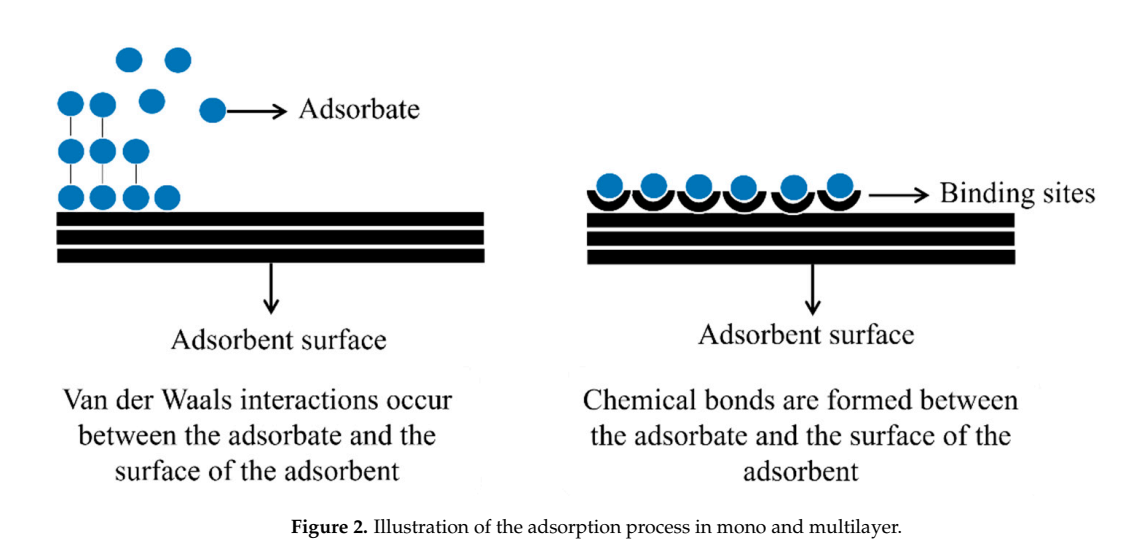
Figure 4 Illustration of the adsorption in mono and multilayer
2.3- Activated carbon:
Production and use considerations. the impact of pore structure on activated carbon adsorption. One of the key elements influencing the adsorption process is the pore size distribution of activated carbon. The percentage of the total pore volume that an adsorbent of a specific size may access is determined by the pore size distribution of activated carbon. While
Synthetic organic compounds compete with naturally occurring dissolved organics, which are made up of tiny molecules with low molecular weight, in freshwater purification.
The adsorption of low-molecular-weight adsorbents is improved by the microporous character of activated carbon; however, the adsorption of bigger molecules necessitates an adsorbent with larger pores, such as mesopores and occasionally macropores. Additionally, adsorption energies are higher in micropores because of the size of pesticide molecules. Additionally, molecules that are comparable in size to the pores are thought to exhibit preferential adsorption because of the many points of contact between the molecule and the adsorbent47.
The enhanced adsorption forces in micropores are responsible for the increased cross-potential forces, which arise from the distance between opposing pore walls being somewhat larger than the diameter of the adsorbent molecule. Additionally, because of the incredibly sluggish mass transfer through the micropores, the presence of merely micropores can have a significant impact on their performance in relevant processes. The preparation conditions are selected to incorporate mesopores as additional low-resistance transport channels within the micropore space in order to enhance the transport characteristics of microporous materials.
This is because of its high adsorption capacity, large surface area, and the presence of certain functional groups that provide the carbon surface characteristics that improve adsorption. Because of these factors, attempts are being made to modify the surface chemistry and pore structure of activated carbon. This can be accomplished by the use of different product modifications or the implementation of a production process under carefully chosen conditions. The objective is to produce an adsorbent that is extremely successful at eliminating different compounds from water, including pesticides, regardless of the technique employed48.
2.4. Biological Treatment Techniques
Pesticide-digesting microorganisms are utilized in a assortment of bio-purification frameworks (BPS) to treat wastewater containing pesticides. In arrange to move forward soil, microorganisms, and pesticide maintenance, bio-mixtures are frequently composed of humic-rich materials. Both innate and outside microbes may be found within the bio-mixture. Tests of soil taken from pesticide-rich zones will have adjusted microorganisms that would be more valuable as endogenous biodegrading microorganisms. Be that as it may, certain outside species may be received since a few endogenous species have biomass limitations. It is vital to keep in mind that pesticides are troublesome to assimilate. Anaerobic and high-impact medications are the two categories of natural treatment. It is known that high-impact treatment is used to handle dechlorinated pesticides included in bug sprays. The procedure combines the hydroxylation of the chlorophenol with the oxidation and cleavage of the ether bond to produce chloro-catechol. Once the aromatic ring is opened, the chemical can be easily broken down into carbon dioxide and water by a typical bacterial digesting system49.
2.5- Physical Treatment Techniques
Wastewater treatment facilities make extensive use of membrane filtering technology. Filtration can be used at any point in the water treatment process, depending on the membrane types and the target contaminants. The membrane cut-off size determines the kind of filtration. For the elimination of bacteria, viruses, and big organic molecules, nano-filtration membranes with pore diameters between 10-2 and 10-3 µm are perfect. elimination of big organic compounds, viruses, and bacteria have assessed four distinct kinds of polyamide nanomembranes for the filtration of atrazine and di methoate, an organophosphate pesticide. The World Health Organization (WHO) has established maximum limits for both pesticides in water50 since they are considered public health hazards50.
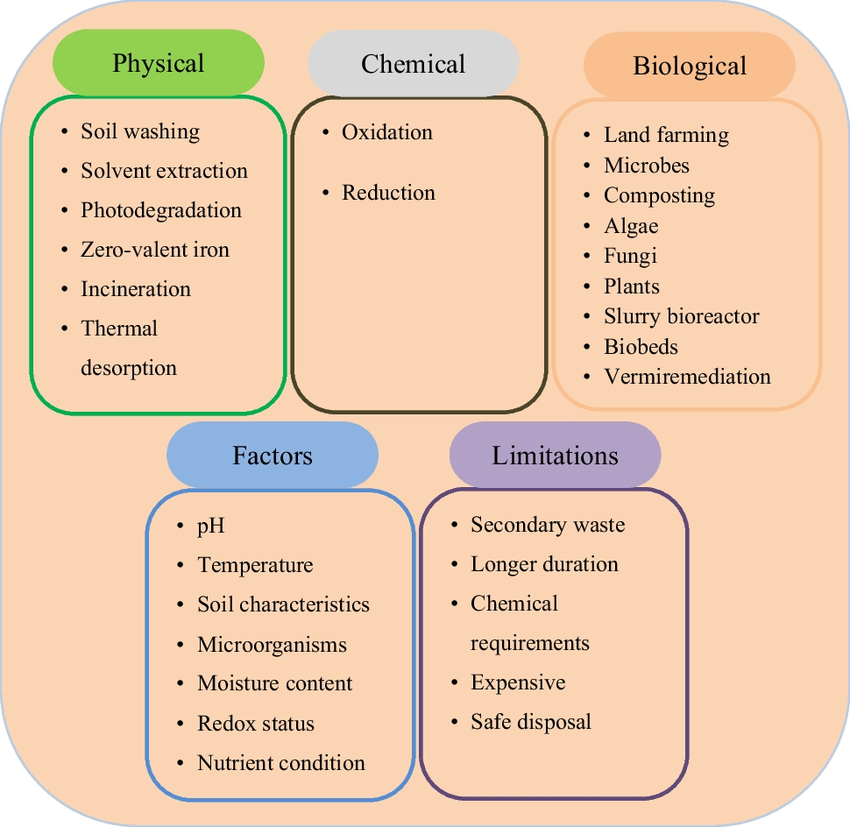
Figure 5 Different mothed to remove pesticides .
The laboratory experiment evaluated the filtration capacity of the tested membranes, in which the quantities of pollutants were tested using high-performance liquid chromatography (HPLC). The best membrane among the four tested was NF90, with a retention rate of 85% for dimethoate and 95% for atrazine. The initial concentrations of the two pesticides were tested at 2 and 20 mg/L, respectively51.
Doiron and isoprotorone, two phenylurea herbicides, may be removed from rural field water using nanofiltration technology at a starting concentration of 2 mg/L. When invert osmosis was combined with a lean polyamide composite layer, the pesticide rejection rate exceeded 95%. Although the membrane’s dismissal rate for diuron was consistently lower than for isoprotorone, the results seemed to indicate that the film used for isoprotorone filtering generated more contamination than the layer used for diuron. Therefore, it is essential to design wastewater treatment facilities that use a mix of physical, natural, and/or chemical treatment techniques to ensure that safe toxins, like pesticides, are reduced to the required levels after recent release.52.
The use of integrated technologies is the optimal approach for designing methods to remove and mitigate the negative impacts of environmental and public health pollutants, such as pesticides. This review covered the treatment of various types of pesticides from water. The removal rate of 76 pesticides from water was assessed using different technologies; these included 25 herbicides, 27 insecticides, 20 fungicides, one bactericide, one algaecide, one molluscicide, and one nematode. It is worth noting that studies on the biological treatment of pesticides have focused on herbicides and insecticides due to their direct impact on the biomass of bacterial communities.
When diverse water treatment innovations were tried, expulsion rates shifted. It is critical to note that evacuation rates alone are deficiently to decide the adequacy of these advances in detoxifying water in large-scale tests. Hence, confirming the nearness of harmful treatment byproducts, particularly within the case of chemical medications, is significant before adopting any innovation. Within the case of atrazine, Figure 12 illustrates the diverse evacuation rates gotten utilizing the foremost viable innovation. This comparative evacuation examination is fundamental when selecting treatment strategies for wastewater treatment53.
Conclusion:
The utilize of pesticides is unavoidable to preserve nourishment grain generation and meet increasing request. Therefore, there’s a got to find ways to evacuate toxins without hurting living life forms. Assimilation shows up to be one of the foremost successful disinfection methods. Conventional manufactured absorbents are costly and troublesome to arrange of securely. In differentiate, numerous characteristic items are disposed of within the ground or burned for their fuel esteem. Distributed thinks about have highlighted the benefits of characteristic strategies. Pesticide treatment requires careful logical investigation different pesticides have distinctive chemical and physical characteristics, hence they have diverse natural destinies The key to planning the most excellent wastewater treatment prepare is to connect the toxin physical and chemical characteristics with its natural destiny, counting solvency, atomic weight, water. This survey depicts different strategies for evacuating pesticides from the environment. The nature of pesticides, how they reach diverse parts of the biological system, and their different wellbeing impacts are examined. The ecologically inviting properties of adsorption utilizing economical materials and their preferences compared to other pesticide evacuation methods are too highlighted.
References:
1. Carles, L.; Martin-Laurent, F.; Devers, M.; Spor, A.; Rouard, N.; Beguet, J.; Besse-Hoggan, P.; Batisson, I., Potential of preventive bioremediation to reduce environmental contamination by pesticides in an agricultural context: a case study with the herbicide 2, 4-D. Journal of Hazardous Materials 2021, 416, 125740.
2. Mitra, S.; Saran, R.; Srivastava, S.; Rensing, C., Pesticides in the environment: Degradation routes, pesticide transformation products and ecotoxicological considerations. Science of The Total Environment 2024, 935, 173026.
3. Schleiffer, M.; Speiser, B., Presence of pesticides in the environment, transition into organic food, and implications for quality assurance along the European organic food chain–A review. Environmental Pollution 2022, 313, 120116.
4. Ravindiran, G.; Rajamanickam, S.; Sivarethinamohan, S.; Karupaiya Sathaiah, B.; Ravindran, G.; Muniasamy, S. K.; Hayder, G., A review of the status, effects, prevention, and remediation of groundwater contamination for sustainable environment. Water 2023, 15 (20), 3662.
5. Rad, S. M.; Ray, A. K.; Barghi, S., Water pollution and agriculture pesticide. Clean Technologies 2022, 4 (4), 1088-1102.
6. Ngegba, P. M.; Cui, G.; Khalid, M. Z.; Zhong, G., Use of botanical pesticides in agriculture as an alternative to synthetic pesticides. Agriculture 2022, 12 (5), 600.
7. Intisar, A.; Ramzan, A.; Hafeez, S.; Hussain, N.; Irfan, M.; Shakeel, N.; Gill, K. A.; Iqbal, A.; Janczarek, M.; Jesionowski, T., Adsorptive and photocatalytic degradation potential of porous polymeric materials for removal of pesticides, pharmaceuticals, and dyes-based emerging contaminants from water. Chemosphere 2023, 336, 139203.
8. Jacquet, F.; Jeuffroy, M.-H.; Jouan, J.; Le Cadre, E.; Litrico, I.; Malausa, T.; Reboud, X.; Huyghe, C., Pesticide-free agriculture as a new paradigm for research: Pesticide-free agriculture as a new paradigm for research. Agronomy for Sustainable Development 2022, 42 (1), 8.
9. Hafeez, A.; Husain, M. A.; Singh, S.; Chauhan, A.; Khan, M. T.; Kumar, N.; Chauhan, A.; Soni, S., Implementation of drone technology for farm monitoring & pesticide spraying: A review. Information processing in Agriculture 2023, 10 (2), 192-203.
10. Li, M.; Ma, Z.; Peng, M.; Li, L.; Yin, M.; Yan, S.; Shen, J., A gene and drug co-delivery application helps to solve the short life disadvantage of RNA drug. Nano Today 2022, 43, 101452.
11. Bose, S.; Kumar, P. S.; Vo, D.-V. N.; Rajamohan, N.; Saravanan, R., Microbial degradation of recalcitrant pesticides: a review. Environmental Chemistry Letters 2021, 19 (4), 3209-3228.
12. Chia, X. K.; Hadibarata, T.; Kristanti, R. A.; Jusoh, M. N. H.; Tan, I. S.; Foo, H. C. Y., The function of microbial enzymes in breaking down soil contaminated with pesticides: a review. Bioprocess and biosystems engineering 2024, 47 (5), 597-620.
13. Tosi, S.; Sfeir, C.; Carnesecchi, E.; Chauzat, M.-P., Lethal, sublethal, and combined effects of pesticides on bees: A meta-analysis and new risk assessment tools. Science of The Total Environment 2022, 844, 156857.
14. Beaumelle, L.; Tison, L.; Eisenhauer, N.; Hines, J.; Malladi, S.; Pelosi, C.; Thouvenot, L.; Phillips, H. R., Pesticide effects on soil fauna communities—A meta‐analysis. Journal of Applied Ecology 2023, 60 (7), 1239-1253.
15. Zahoor, I.; Mushtaq, A., Water pollution from agricultural activities: A critical global review. Int. J. Chem. Biochem. Sci 2023, 23 (1), 164-176.
16. Liu, Y.; Wang, P.; Gojenko, B.; Yu, J.; Wei, L.; Luo, D.; Xiao, T., A review of water pollution arising from agriculture and mining activities in Central Asia: Facts, causes and effects. Environmental Pollution 2021, 291, 118209.
17. Zhai, Y.; Han, Y.; Xia, X.; Li, X.; Lu, H.; Teng, Y.; Wang, J., Anthropogenic organic pollutants in groundwater increase releases of Fe and Mn from aquifer sediments: Impacts of pollution degree, mineral content, and pH. Water 2021, 13 (14), 1920.
18. Xia, X.; Teng, Y.; Zhai, Y., Biogeochemistry of iron enrichment in groundwater: an indicator of environmental pollution and its management. Sustainability 2022, 14 (12), 7059.
19. Son, J.-Y.; Bell, M. L., Concentrated animal feeding operations (CAFOs) in relation to environmental justice related variables in Wisconsin, United States. Journal of Exposure Science & Environmental Epidemiology 2024, 34 (3), 416-423.
20. Mukherjee, A.; Coomar, P.; Sarkar, S.; Johannesson, K. H.; Fryar, A. E.; Schreiber, M. E.; Ahmed, K. M.; Alam, M. A.; Bhattacharya, P.; Bundschuh, J., Arsenic and other geogenic contaminants in global groundwater. Nature Reviews Earth & Environment 2024, 5 (4), 312-328.
21. Majeed, Y.; Khan, M. U.; Waseem, M.; Zahid, U.; Mahmood, F.; Majeed, F.; Sultan, M.; Raza, A., Renewable energy as an alternative source for energy management in agriculture. Energy Reports 2023, 10, 344-359.
22. Li, H.; Jiao, Y.; Li, L.; Jiao, X., Research progress and trend of effects of organophosphorus pesticides on aquatic organisms in the past decade. Comparative Biochemistry and Physiology Part C: Toxicology & Pharmacology 2023, 271, 109673.
23. Kordbacheh, F.; Heidari, G., Water pollutants and approaches for their removal. Materials Chemistry Horizons 2023, 2 (2), 139-153.
24. Kumar, P.; Kumar, R.; Thakur, K.; Mahajan, D.; Brar, B.; Sharma, D.; Kumar, S.; Sharma, A. K., Impact of pesticides application on aquatic ecosystem and biodiversity: a review. Biology Bulletin 2023, 50 (6), 1362-1375.
25. Khan, B. A.; Nadeem, M. A.; Nawaz, H.; Amin, M. M.; Abbasi, G. H.; Nadeem, M.; Ali, M.; Ameen, M.; Javaid, M. M.; Maqbool, R., Pesticides: impacts on agriculture productivity, environment, and management strategies. In Emerging contaminants and plants: Interactions, adaptations and remediation technologies, Springer: 2023; pp 109-134.
26. Singh, S.; Gupta, A.; Waswani, H.; Prasad, M.; Ranjan, R., Impact of pesticides on the ecosystem. In Agrochemicals in Soil and Environment: Impacts and Remediation, Springer: 2022; pp 157-181.
27. Nayak, P.; Solanki, H., Pesticides and Indian agriculture—a review. Int J Res Granthaalayah 2021, 9 (5), 250-263.
28. Mukherjee, P.; Banerjee, G.; Saha, N.; Mazumdar, A., Overview on the emergence of pesticide contamination and treatment methodologies. Water, Air, & Soil Pollution 2024, 235 (9), 587.
29. Zhou, W.; Li, M.; Achal, V., A comprehensive review on environmental and human health impacts of chemical pesticide usage. Emerging Contaminants 2025, 11 (1), 100410.
30. Mostafalou, S.; Abdollahi, M., The susceptibility of humans to neurodegenerative and neurodevelopmental toxicities caused by organophosphorus pesticides. Archives of Toxicology 2023, 97 (12), 3037-3060.
31. Xiao, J.; Dong, X.; Zhang, X.; Ye, F.; Cheng, J.; Dan, G.; Zhao, Y.; Zou, Z.; Cao, J.; Sai, Y., Pesticides exposure and dopaminergic neurodegeneration. Exposure and Health 2021, 13 (3), 295-306.
32. Rashid, S.; Rashid, W.; Tulcan, R. X. S.; Huang, H., Use, exposure, and environmental impacts of pesticides in Pakistan: a critical review. Environmental Science and Pollution Research 2022, 29 (29), 43675-43689.
33. Lopes-Ferreira, M.; Maleski, A. L. A.; Balan-Lima, L.; Bernardo, J. T. G.; Hipolito, L. M.; Seni-Silva, A. C.; Batista-Filho, J.; Falcao, M. A. P.; Lima, C., Impact of pesticides on human health in the last six years in Brazil. International journal of environmental research and public health 2022, 19 (6), 3198.
34. Serrão, J. E.; Plata-Rueda, A.; Martínez, L. C.; Zanuncio, J. C., Side-effects of pesticides on non-target insects in agriculture: a mini-review. The Science of Nature 2022, 109 (2), 17.
35. Iyiola, A. O.; Kolawole, A. S.; Setufe, S. B.; Bilikoni, J.; Ofori, E.; Ogwu, M. C., Fish as a sustainable biomonitoring tool in aquatic environments. In Biomonitoring of pollutants in the global south, Springer: 2024; pp 421-450.
36. Tudi, M.; Daniel Ruan, H.; Wang, L.; Lyu, J.; Sadler, R.; Connell, D.; Chu, C.; Phung, D. T., Agriculture development, pesticide application and its impact on the environment. International journal of environmental research and public health 2021, 18 (3), 1112.
37. Martelli, F.; Hernandes, N. H.; Zuo, Z.; Wang, J.; Wong, C.-O.; Karagas, N. E.; Roessner, U.; Rupasinghe, T.; Robin, C.; Venkatachalam, K., Low doses of the organic insecticide spinosad trigger lysosomal defects, elevated ROS, lipid dysregulation, and neurodegeneration in flies. Elife 2022, 11, e73812.
38. Klaunig, J. E.; Cohen, S. M., Mode of action of dieldrin-induced liver tumors: application to human risk assessment. Critical Reviews in Toxicology 2024, 54 (9), 634-658.
39. Irshad, M. A.; Sattar, S.; Nawaz, R.; Al-Hussain, S. A.; Rizwan, M.; Bukhari, A.; Waseem, M.; Irfan, A.; Inam, A.; Zaki, M. E., Enhancing chromium removal and recovery from industrial wastewater using sustainable and efficient nanomaterial: a review. Ecotoxicology and environmental safety 2023, 263, 115231.
40. Ahamad, A.; Ahamad, J.; Naim, M. J., Current perspective on pesticides: their classification, behaviour, potential use and toxic effects. Journal of Angiotherapy 2023, 7 (1), 1-12.
41. Philippe, V.; Neveen, A.; Marwa, A.; Basel, A.-Y. A., Occurrence of pesticide residues in fruits and vegetables for the Eastern Mediterranean Region and potential impact on public health. Food Control 2021, 119, 107457.
42. de Araújo, E. P.; Caldas, E. D.; Oliveira-Filho, E. C., Pesticides in surface freshwater: a critical review. Environmental Monitoring and Assessment 2022, 194 (6), 452.
43. Kaur, R.; Singh, D.; Kumari, A.; Sharma, G.; Rajput, S.; Arora, S.; Kaur, R., Pesticide residues degradation strategies in soil and water: a review. International Journal of Environmental Science and Technology 2023, 20 (3), 3537-3560.
44. Andrunik, M.; Bajda, T., Removal of pesticides from waters by adsorption: Comparison between synthetic zeolites and mesoporous silica materials. A review. Materials 2021, 14 (13), 3532.
45. Martínez-Sánchez, C.; Robles, I.; Godínez, L., Review of recent developments in electrochemical advanced oxidation processes: application to remove dyes, pharmaceuticals, and pesticides. International Journal of Environmental Science and Technology 2022, 19 (12), 12611-12678.
46. Ho, S., Low-cost adsorbents for the removal of phenol/phenolics, pesticides, and dyes from wastewater systems: a review. Water 2022, 14 (20), 3203.
47. Zhang, K.; Sun, J.; Ma, C.; Luo, S.; Wu, Z.; Li, W.; Liu, S., Effects of the pore structure of commercial activated carbon on the electrochemical performance of supercapacitors. Journal of Energy Storage 2022, 45, 103457.
48. Serafin, J.; Dziejarski, B., Activated carbons—preparation, characterization and their application in CO2 capture: a review. Environmental Science and Pollution Research 2024, 31 (28), 40008-40062.
49. Akinnawo, S. O.; Ayadi, P. O.; Temitope, M., Chemical coagulation and biological techniques for wastewater treatment. water resources 2023, 5, 10.
50. Pandiselvam, R.; Kaavya, R.; Khanashyam, A. C.; Divya, V.; Abdullah, S. K.; Aurum, F. S.; Dakshyani, R.; Kothakota, A.; Ramesh, S. V.; Mousavi Khaneghah, A., Research trends and emerging physical processing technologies in mitigation of pesticide residues on various food products. Environmental Science and Pollution Research 2022, 29 (30), 45131-45149.
51. Ashraf, H. N.; Walayat, N.; Saleem, M. H.; Niaz, N.; Hafeez, A.; Atiq, M. N.; Chattha, M. S.; El-Sheikh, M. A.; Ali, S., Determination of pesticide residues from grapes procured from different markets using through high performance liquid chromatography (HPLC). Pakistan Journal of Botany 2022, 54 (2), 737-741.
52. Gaid, K., Wastewater Reuse, Volume 2: Micropollutants, Membranes and Treatment Procedures. John Wiley & Sons: 2025; Vol. 2.
53. El-Halwagi, M. M., Sustainable design through process integration: fundamentals and applications to industrial pollution prevention, resource conservation, and profitability enhancement. Elsevier: 2025.
 Arabic
  English